What Is Port Wine? The Douro's Famous Fortified, Explained
A Douro-based wine guide explains what port wine actually is: how fortification with aguardente works, why it can only come from the Douro Valley, and the styles worth knowing before you taste.
 By Niko Stavros, Douro Valley wine tourism specialist
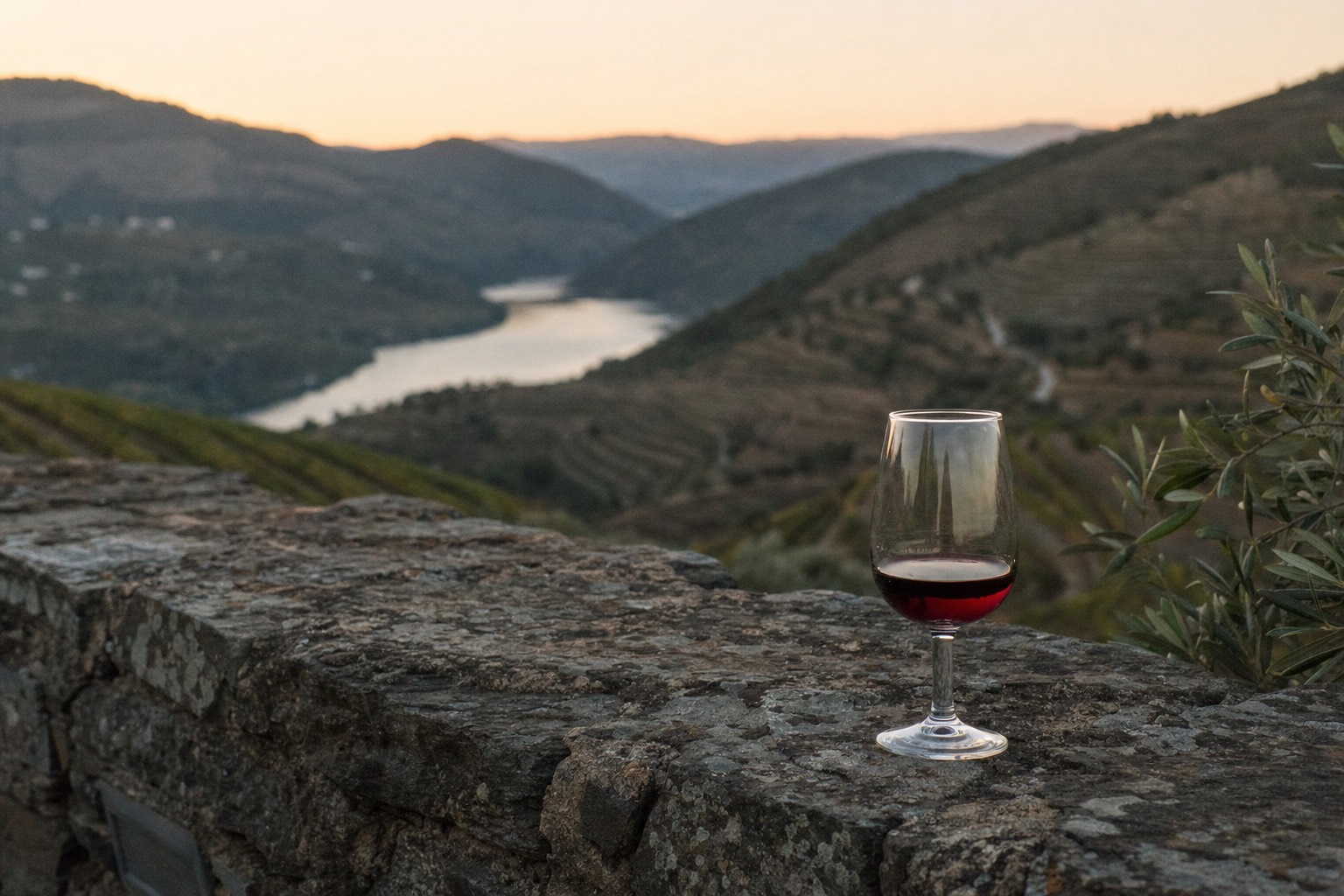
Every week someone at a tasting table asks me, half embarrassed, what port actually is. Usually right after enjoying a glass of it. There is no shame in the question. Port hides behind dusty associations, grandfathers and cigars and Christmas, and the reality in the Douro is far more alive than the reputation. I have poured it for more than a thousand visitors since 2022, and the short version I give them fits in one sentence: port is Douro wine that had its fermentation stopped with grape brandy, keeping the grape's own sweetness and pushing the strength up. Here is the longer, better version.
What exactly is port wine?
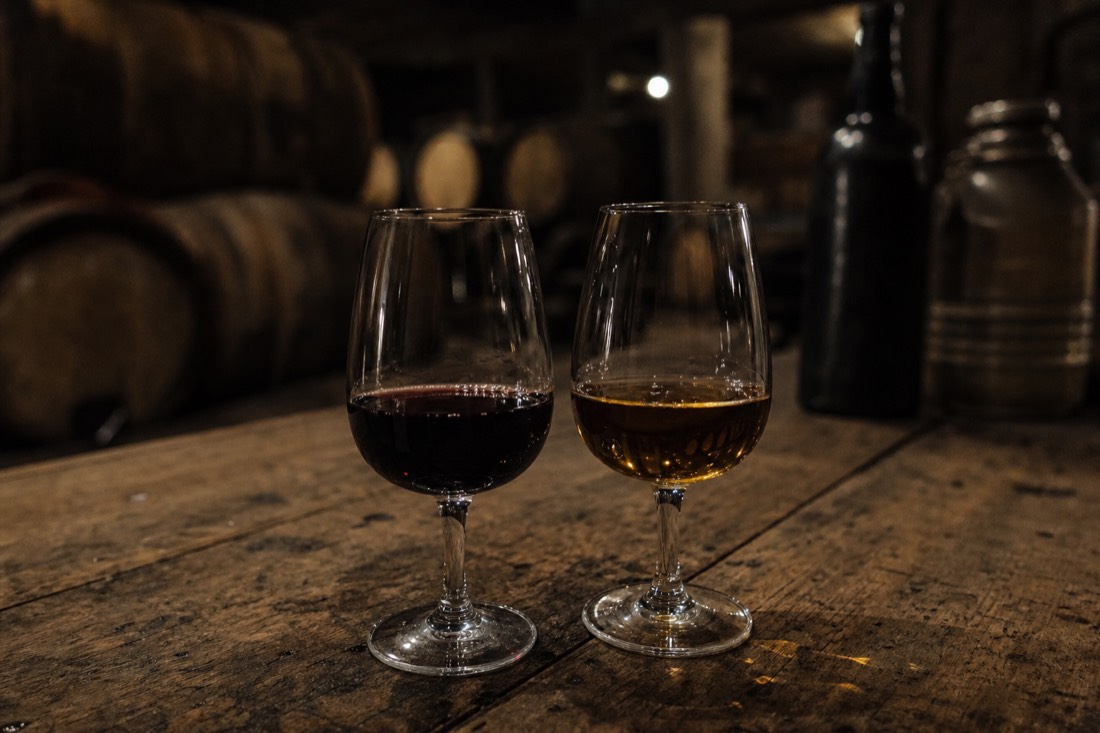
Port is a fortified wine from Portugal's Douro Valley. Partway through fermentation, winemakers add a clear grape spirit called aguardente, which stops the yeast before it can eat all the sugar. The result keeps natural grape sweetness, lands at roughly 19 to 22% alcohol, and gains the depth to age for decades.
The key word is natural. Port's sweetness is not added sugar; it is the sweetness the yeast never got to finish. The aguardente used for fortification is itself regulated, a grape spirit at around 77% alcohol, which is gentler than the near-pure spirit used in some other fortified wines and leaves more of the grape's character intact.
One glass of a good tawny next to one glass of a young ruby will teach you more than this whole article, which is why I always tell readers the theory is just the trailer. The two big families get a full head-to-head in tawny vs ruby port.
How is port made, from foot-treading to fortification?
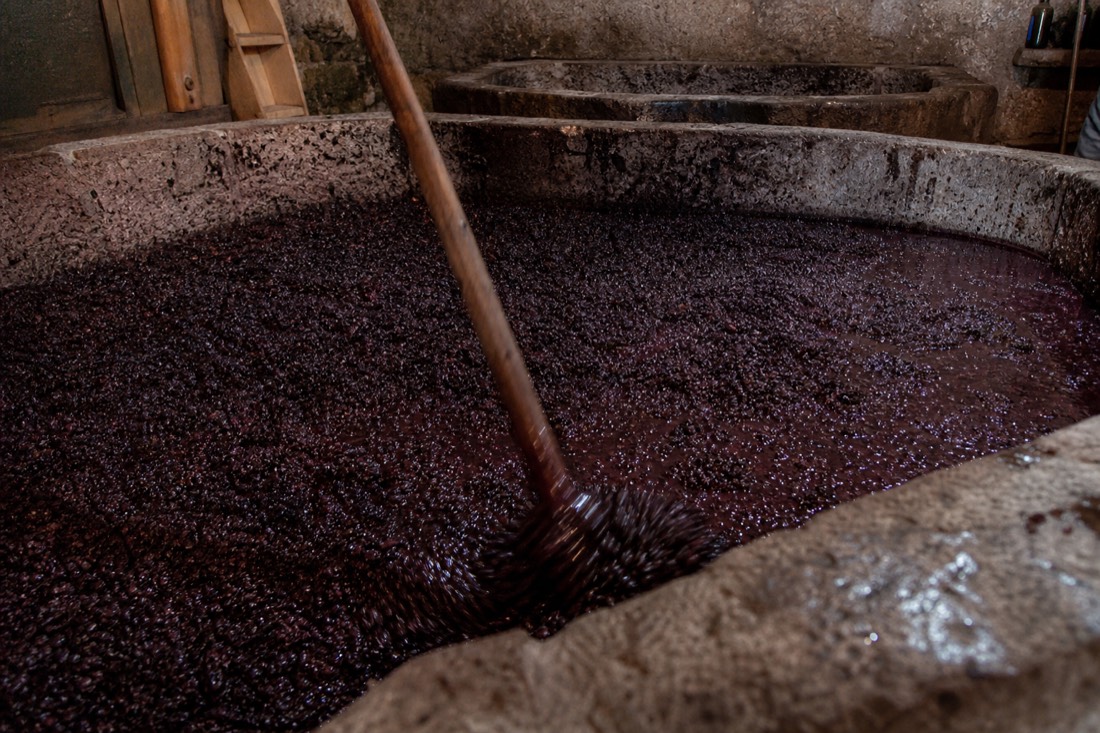
Grapes come off steep terraced vineyards at harvest, ferment fast and hot, in traditional cellars still partly crushed by foot in shallow granite tanks called lagares, and then, at the winemaker's chosen moment of sweetness, the aguardente goes in. Fermentation dies, the wine is fixed, and aging begins in wood.
The foot-treading is not theater, or not only theater. Feet crush grapes thoroughly without cracking the bitter seeds, which matters when you need to pull deep color and tannin out of the skins in just two or three days before fortification stops everything. Plenty of quintas now use machinery that imitates the motion, but in September you can still find real lagares working, and it is one of the great sights in wine. The harvest weeks are their own reason to visit; I cover timing in the Douro harvest season guide.
Timing the fortification is the winemaker's signature. Stop early and the port is sweeter; let it run and the wine turns drier and more vinous. Same vineyard, different nerve.
Why is port tied to the Douro Valley and nowhere else?
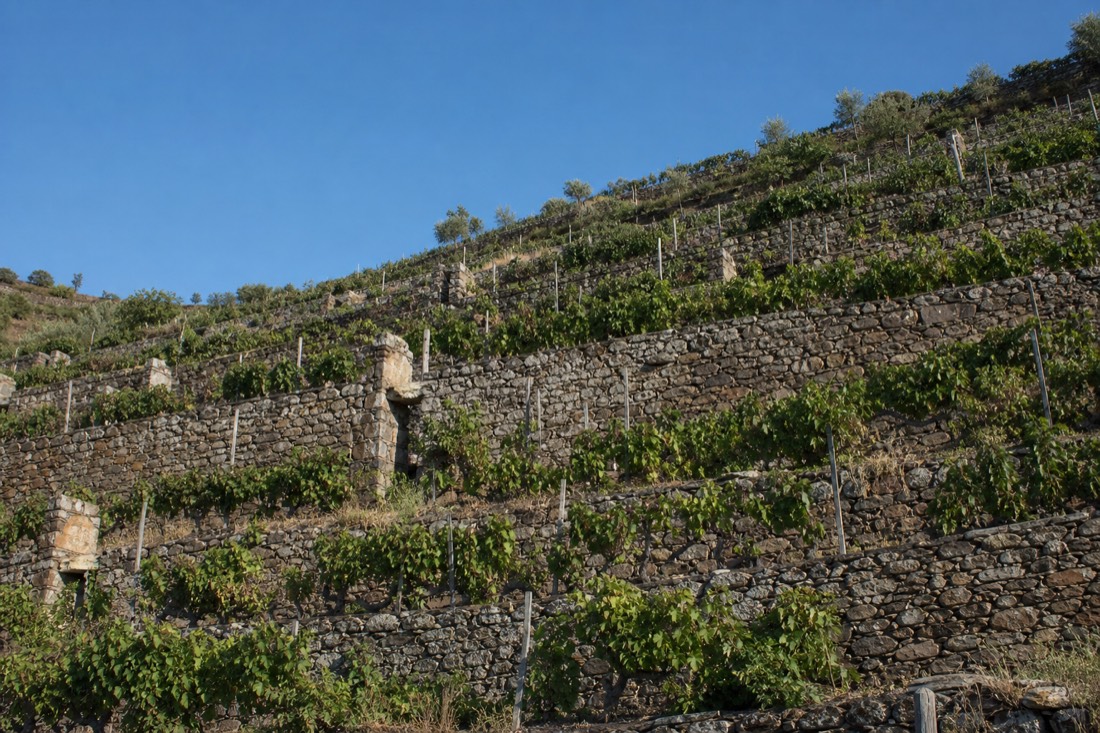
Because the law says so, and the law is older than most countries' wine laws by a century or more. The Douro was formally demarcated in 1756, making it one of the oldest demarcated and regulated wine regions in the world, and UNESCO listed the Alto Douro wine landscape as a World Heritage Site in 2001. Only wine from this region can be called port.
That 1756 date is worth pausing on. Portugal drew boundary markers around these hillsides and defined what could carry the name before the French classified Bordeaux. Walk any terrace today and you are standing inside that original idea, on stone walls that took generations to stack. UNESCO's citation for the Alto Douro Wine Region calls out exactly that: a landscape shaped by two thousand years of winemaking, still producing.
Geography backs up the paperwork. Schist soils that hold summer heat, brutal slopes, a climate sheltered by mountains from Atlantic rain: the valley is a natural pressure cooker for concentrated grapes. Couples who want to feel how wild the terrain really is can get off the paved roads entirely on the off-road 4x4 wine tour with a sunset picnic, a new listing from $163 that ends the day in the vines above Valença do Douro.
What are the main styles of port?
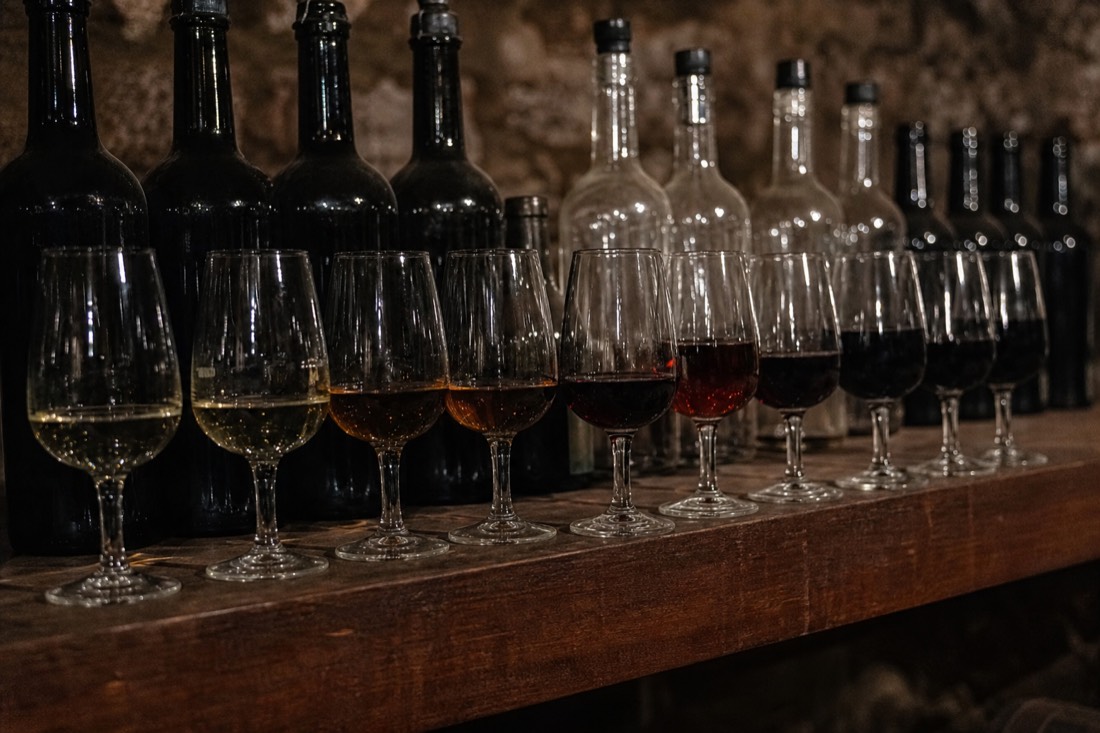
Two big families and a few cousins. Ruby styles age briefly and protected from air, keeping dark fruit and grip; tawny styles age long in wooden casks, turning amber and nutty. Around them sit white port, rosé, Late Bottled Vintage, single-harvest colheitas and vintage port, the cellar-worthy flagship.
Here is the map I sketch on paper napkins at tasting tables:
| Style | How it ages | What it tastes like | Best first use |
|---|---|---|---|
| Ruby / Reserve ruby | Short, in large vats away from air | Dark berries, chocolate, youthful grip | With chocolate desserts or cheese |
| Tawny, 10 to 40 year | Long, in wooden casks with slow oxygen | Caramel, dried fig, walnut, silk | Slightly cool, after dinner |
| White port | Usually short, from white grapes | Citrus peel, honey, fresh | With tonic and ice as a porto tónico |
| Rosé | Very short, made for freshness | Red berries, light, simple | Cold, in summer |
| Late Bottled Vintage (LBV) | One harvest, bottled after several years in wood | Vintage-like depth without the wait | The affordable serious bottle |
| Vintage | Two years in wood, then decades in bottle | Powerful, structured, evolves for a lifetime | Special occasions, decanted |
No style is "best", whatever anyone at a dinner party insists. They are different tools. Choosing which bottle deserves your suitcase space is a separate art, and I wrote it up in the best port wine to bring home.
Where do you actually taste port: Gaia lodges or Douro quintas?
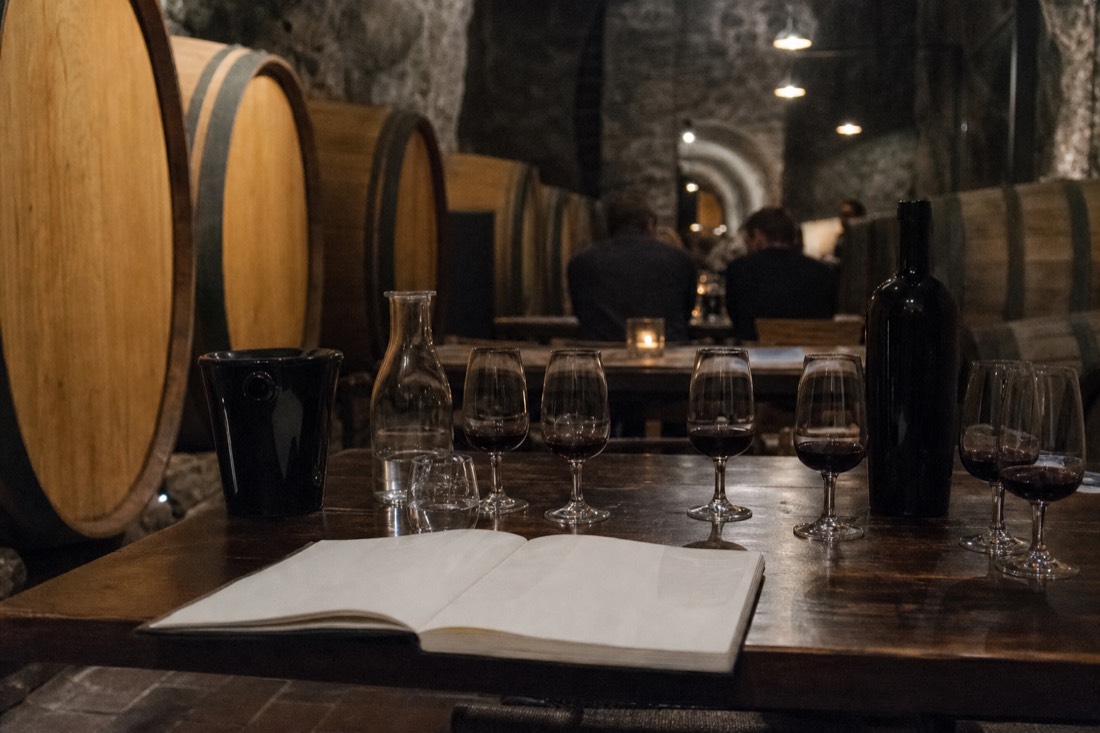
Both, ideally, because they answer different questions. The historic lodges of Vila Nova de Gaia, across the river from Porto, are where much port has traditionally matured and where big-house tastings run all day. The quintas upriver are where the grapes grow, and tasting there connects the wine to the landscape that made it.
Gaia is convenient and genuinely historic; the barrels came downriver to its cool riverside warehouses for centuries, once aboard the rabelo boats you now see moored for show. But my honest bias, having watched both settings work on visitors, is that the valley wins. A port tasted a hundred meters from the vines it came from lands differently. The small-group Douro day tour this site features builds the day around exactly that, two estate tastings at Quinta do Tedo and Quinta do Beijo plus a rabelo cruise, and holds 4.9 across 5,378 Viator reviews with a group capped at eight.
If you are choosing which estates deserve your time beyond a tour's own stops, start with the best quintas and wineries guide. And take the dusty-grandfather reputation as your opportunity: port is one of the last great wines still priced below its quality, and the valley that makes it is happy to prove the point in person.