Tawny vs Ruby Port: What Is Actually Different in the Glass
A Douro wine guide breaks down tawny vs ruby port: oxidative against reductive aging, color and flavor differences, food pairings, what you will taste at a quinta, and which bottle to buy first.
 By Niko Stavros, Douro Valley wine tourism specialist
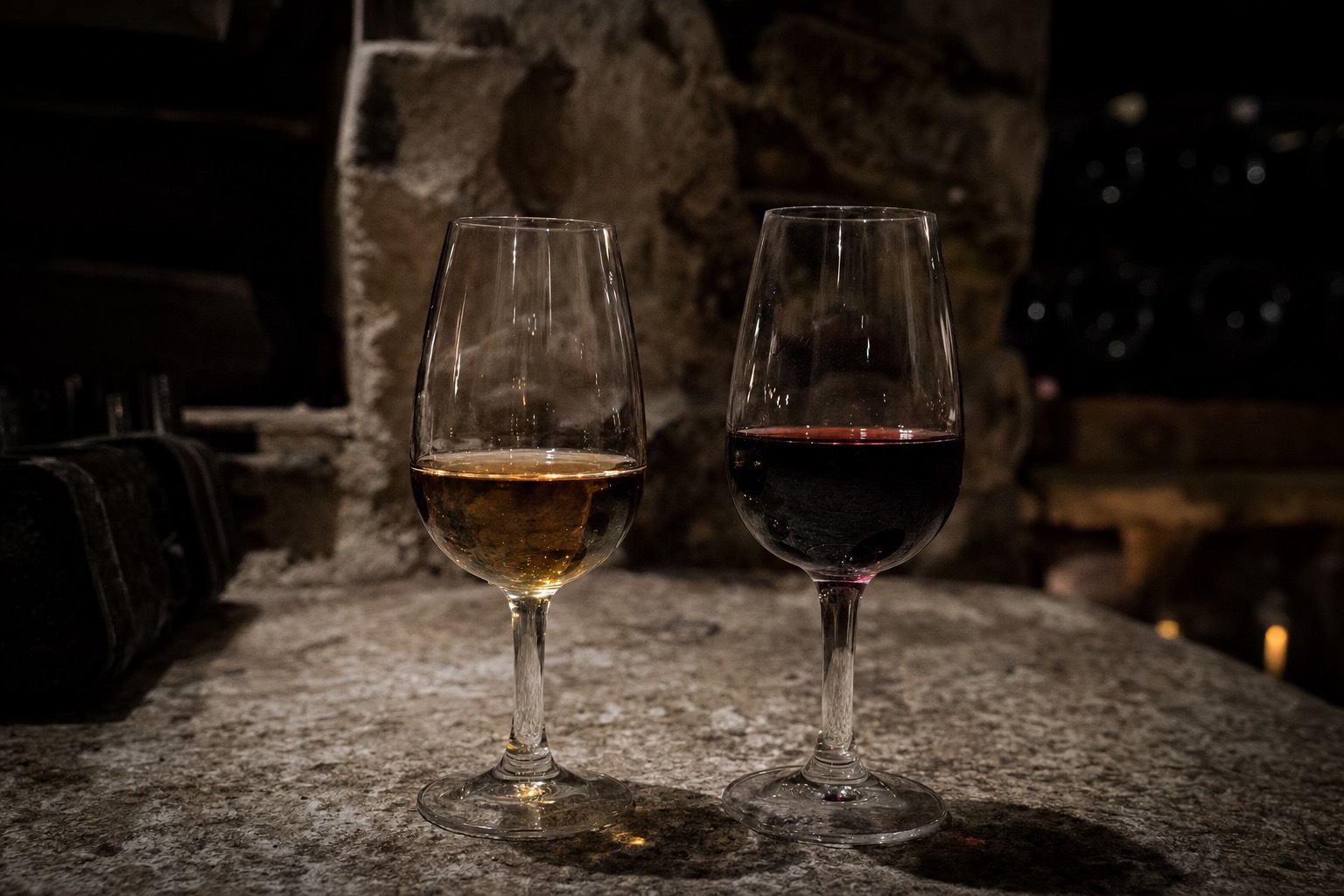
Set a tawny and a ruby next to each other and the argument starts before anyone takes a sip. One glass glows amber, the other is nearly black-red, and people assume they must be different drinks entirely. They are not. Same valley, same grapes for the most part, same fortification with grape spirit. Everything that separates them happens afterward, in the years between the harvest and your glass, and once you understand that one fork in the road, every port label in a shop suddenly makes sense. I walk tasting groups through this comparison most weeks of the year, and it is the fastest lightbulb moment in wine that I know.
What is the real difference between tawny and ruby port?
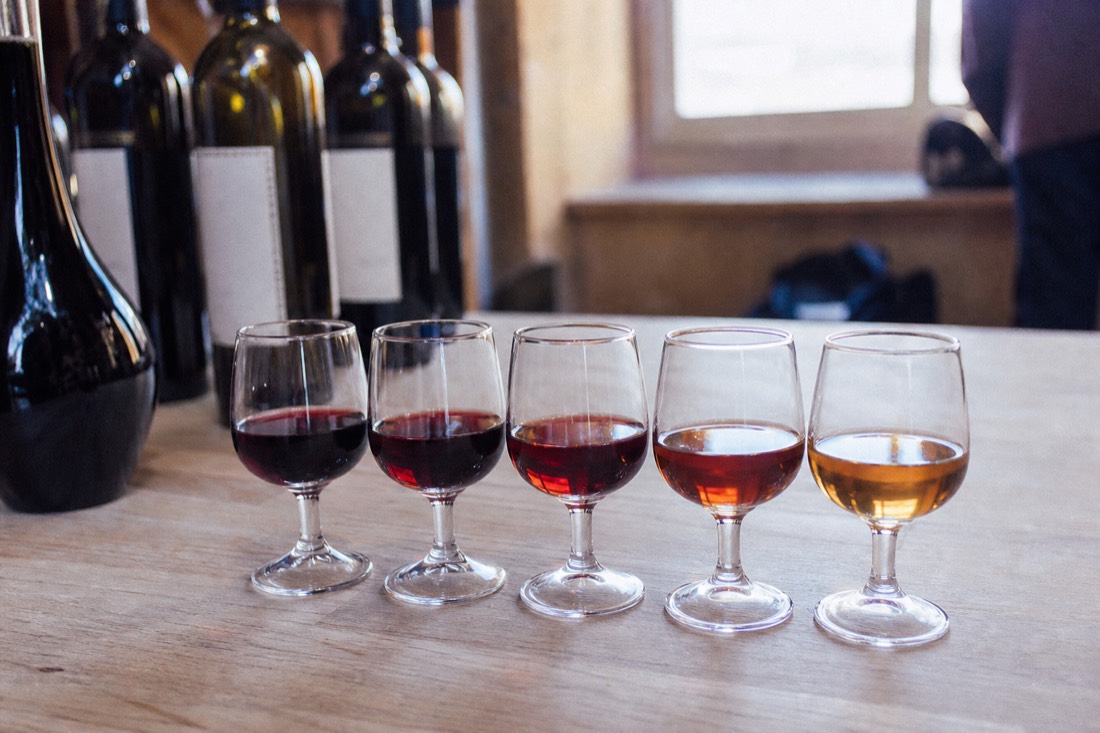
Aging, not grapes. Ruby port ages briefly in large vessels that shield it from oxygen, so it stays dark, fruity and fresh. Tawny port ages for years in smaller wooden casks that let oxygen work slowly on the wine, fading its color to amber and trading fruit for caramel, nut and spice.
That is the whole secret. If port were a person, ruby is the photograph at twenty-five and tawny is the same person at sixty, more interesting to talk to and lighter in color. Both start life as the same fortified red; the styles diverge in the cellar. If the fortification part is new to you, the full production story lives in what is port wine, explained.
Here is the side-by-side I wish someone had handed me years ago:
| Ruby | Tawny | |
|---|---|---|
| Color | Deep red to purple | Amber to russet brown |
| Aging vessel | Large vats or bottles, minimal air | Smaller wooden casks, slow air contact |
| Aging style | Reductive (protected from oxygen) | Oxidative (shaped by oxygen) |
| Flavor family | Blackberry, plum, chocolate | Caramel, walnut, dried fig, orange peel |
| Serve | Just below room temperature | Lightly chilled |
| Once opened | Best within days to a couple of weeks | Holds for weeks, often longer |
How do oxidative and reductive aging actually work?
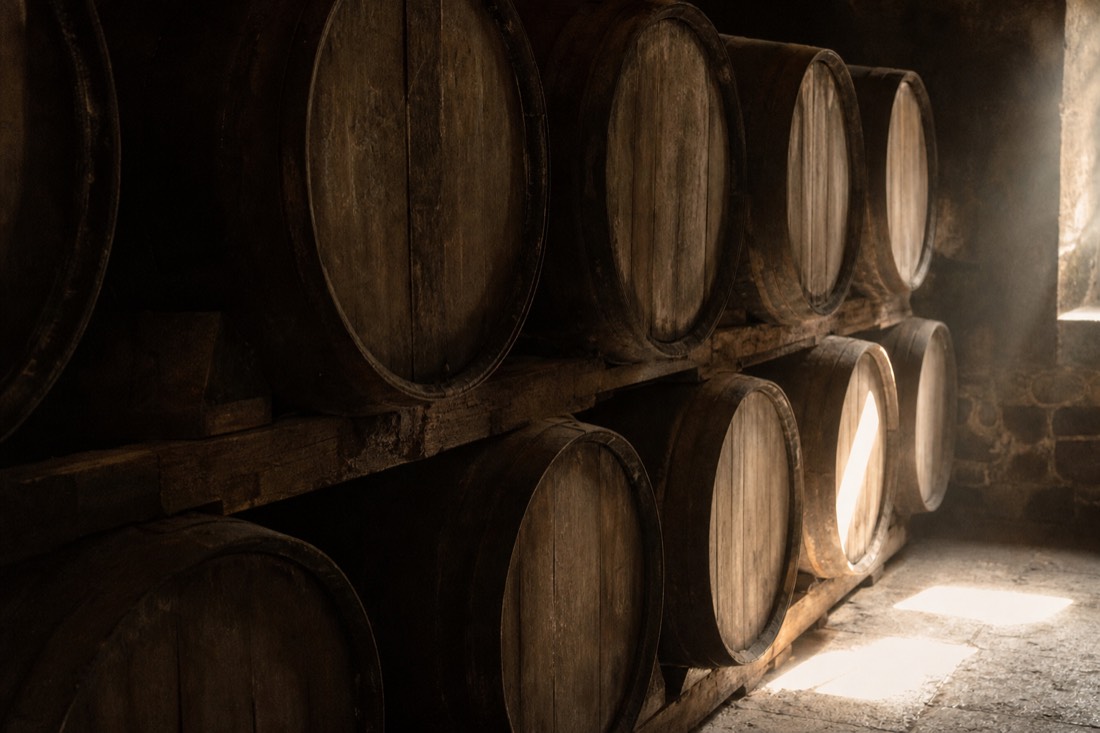
Reductive aging means keeping oxygen away: big vats, full containers, early bottling, so the wine's fresh fruit and color survive intact. Oxidative aging invites oxygen in through the wood of a smaller cask year after year, slowly browning the color and building the nutty, dried-fruit flavors that define tawny.
Think of an apple slice on a counter. Left in the air it browns and its flavor changes; wrapped tight it stays pale and crisp. Cask walls do to port, very slowly and much more kindly, what air does to that apple. A 10 year tawny has been browning gracefully for about a decade of cask time; 20, 30 and 40 year tawnies carry age indications reflecting even longer in wood, and the wine gets silkier and more concentrated as evaporation does its quiet work. The fastest way to grasp all this is to taste it at the source, and the small-group day tour this site features folds guided Port tastings at two estates into a single day, with 98% of its 5,378 Viator reviewers recommending it.
The romance of this is real. Some casks in Douro cellars have outlived everyone who ever filled them. Standing in a cool barrel hall while a winemaker thieves a sample straight from the wood is, for my money, the single best moment in valley tasting rooms.
Which pairs with what food?
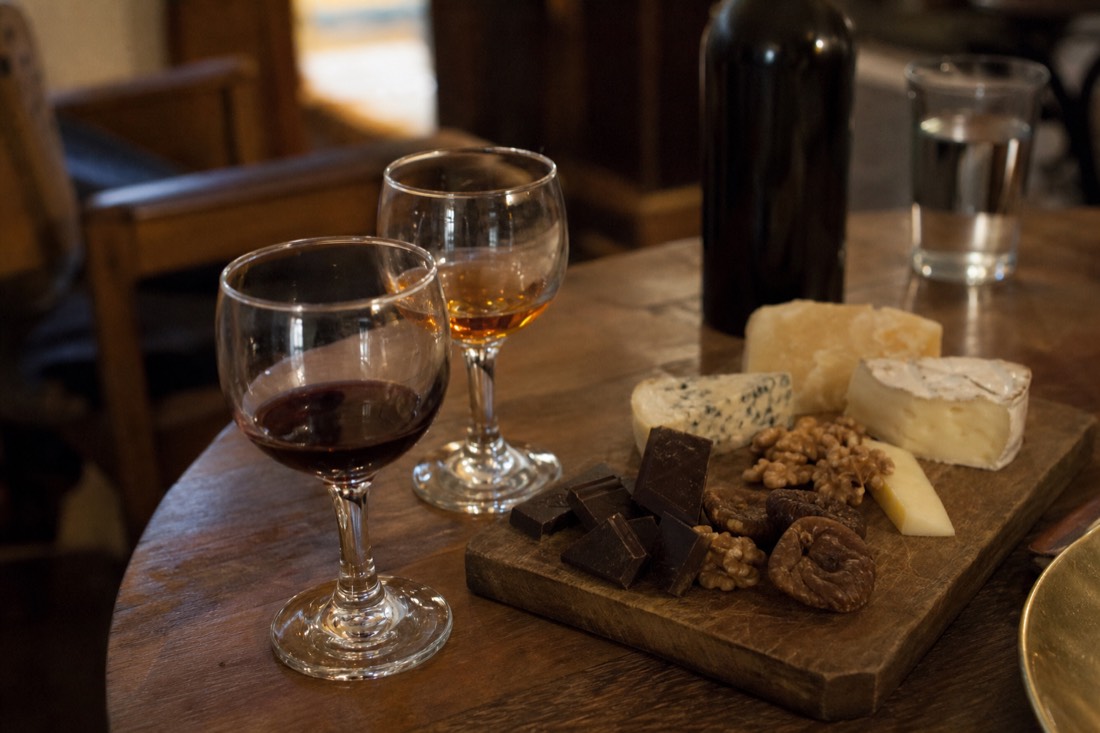
Ruby loves chocolate and bold blue cheese, its dark fruit standing up to intensity. Tawny is the flexible one: almond and caramel desserts, hard aged cheeses, dried fruit, even a slight chill on a warm terrace with nothing at all. When in doubt, ruby for chocolate, tawny for everything else.
A quick cheat sheet from years of watching pairings land or die at Douro tables:
| If you are eating... | Pour... | Why it works |
|---|---|---|
| Dark chocolate dessert | Ruby or LBV | Fruit and cocoa amplify each other |
| Blue cheese | Ruby styles | Sweetness against salt, a classic |
| Crème brûlée, almond tart | 10 or 20 year tawny | Caramel meets caramel |
| Hard aged cheese | Tawny | Nutty notes mirror the cheese |
| Salted nuts, dried figs | Tawny | The glass already tastes like the snack |
| A hot summer evening | Chilled tawny or white port | Freshness first |
Portugal drinks port more casually than the export world imagines. A cold glass of tawny before dinner is normal here, not heresy. Nobody in the Douro is waiting for a cigar.
What will you taste on a quinta visit?
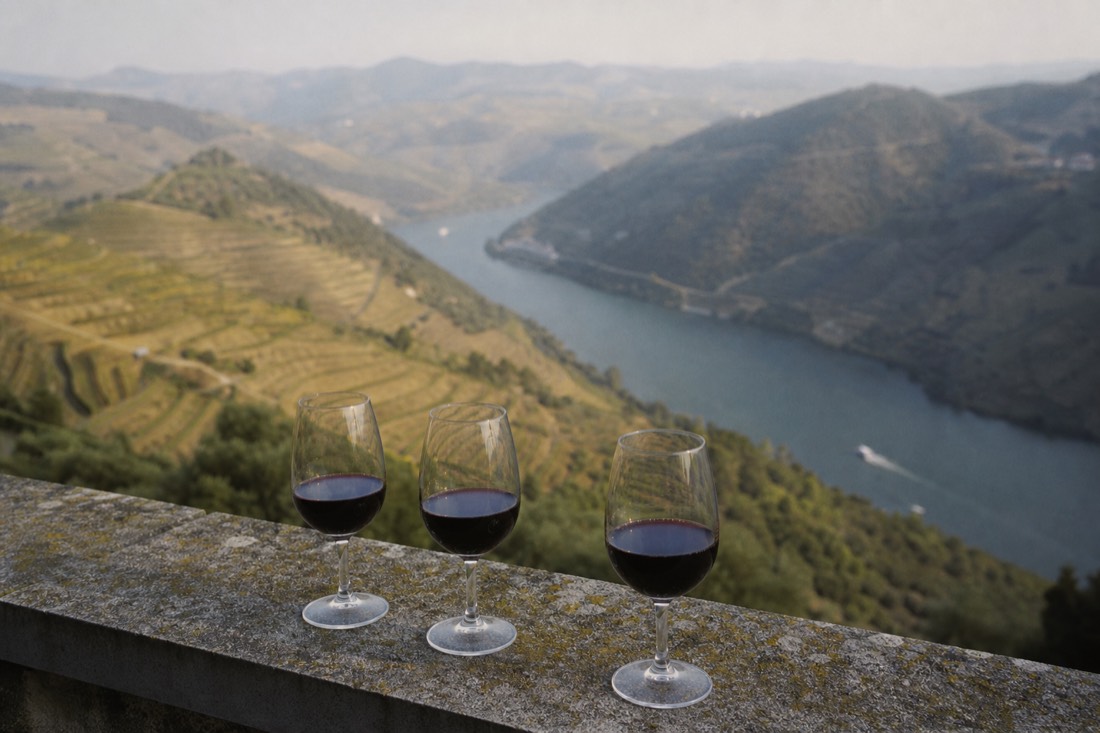
Almost always both families side by side, which is exactly what you want. A standard estate flight runs a white or ruby, a reserve, and a tawny, often with a DOC Douro table wine alongside, so you can taste the reductive-versus-oxidative fork in real time instead of reading about it.
This is why I push people toward tasting in the valley rather than only in shops at home. The comparison is the education. On the small-group day tour this site features, the listing includes guided tastings of Port and DOC Douro wines at two different estates, Quinta do Tedo and Quinta do Beijo, with the group capped at eight, and it holds 4.9 across 5,378 Viator reviews. Two cellars in one day means you taste each house's answer to the same tawny-or-ruby question, and the differences stick.
Travellers building a romantic day around the tasting can do it at golden hour instead: the off-road wine tour with a sunset picnic is a new listing from $163 that pairs a Quinta do Tedo tasting with an evening picnic above the river. Either way, take notes on your phone between pours. By the third quinta glass, memory gets generous.
Which should you buy first?
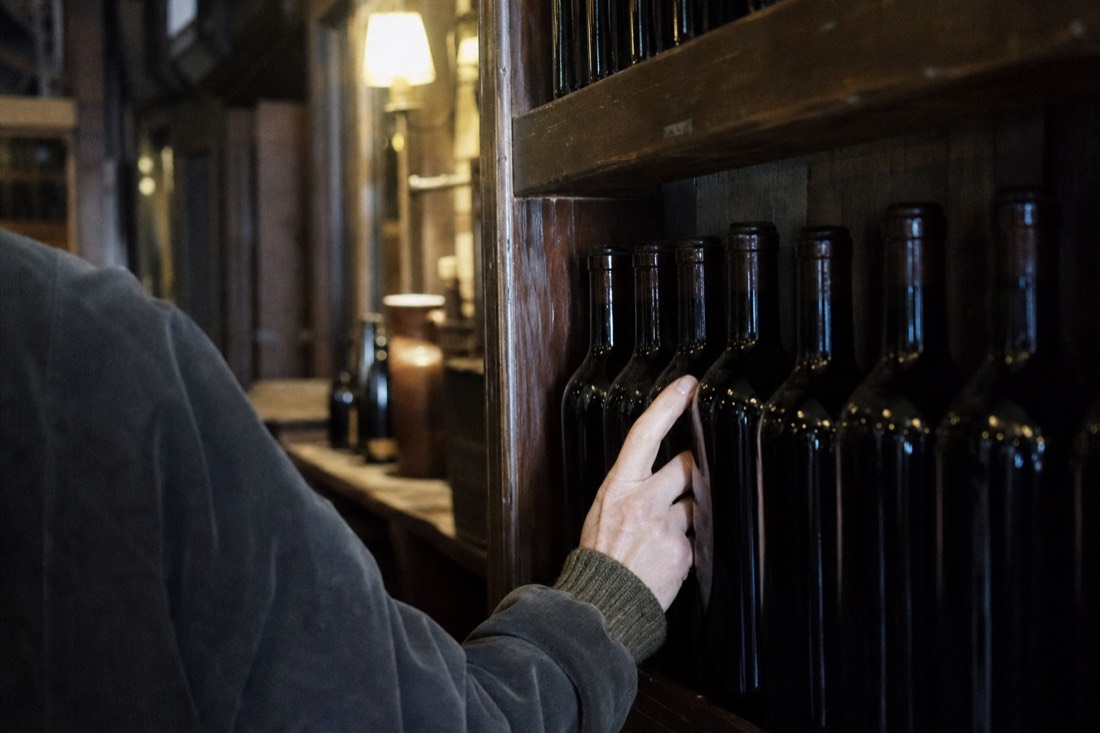
A 10 year tawny, if you want one bottle that flatters every situation: it is affordable, forgiving once opened, and tastes obviously special. Buy a ruby reserve or an LBV alongside it if chocolate desserts are part of your life. Then let curiosity, not rankings, choose bottle three.
My reasoning is practical. An open tawny keeps for weeks, so a household that drinks slowly wastes nothing. Ruby rewards you fastest with dessert on the table but fades sooner once the cork is out. And the 10 year age band sits at the sweet spot where complexity jumps but prices have not, which is also why it is the bottle I most often see guests carry home from estate shops.
How to get those bottles home intact, what the airport liquid rules mean for your carry-on, and which styles survive travel best all live in the companion piece, the best port wine to bring home. And if you want to choose your quinta stops around the styles you now favor, the best quintas and wineries guide sorts the valley by what each estate pours best.