Best Quintas and Wineries in the Douro Valley
Every visitor arrives with the same two questions: what exactly is a quinta, and which ones deserve my one day here. Both deserve straight answers.
 Written with Niko Stavros, Douro Valley wine tourism specialist
Short answer
A quinta is a wine estate, and the Douro has hundreds. Famous names like Quinta da Pacheca and Quinta do Vallado are easy to visit independently and worth it. Smaller family estates such as Quinta do Tedo and Quinta do Beijo are where small-group tours earn their keep, because the visits are arranged for you and nobody has to drive between pours.
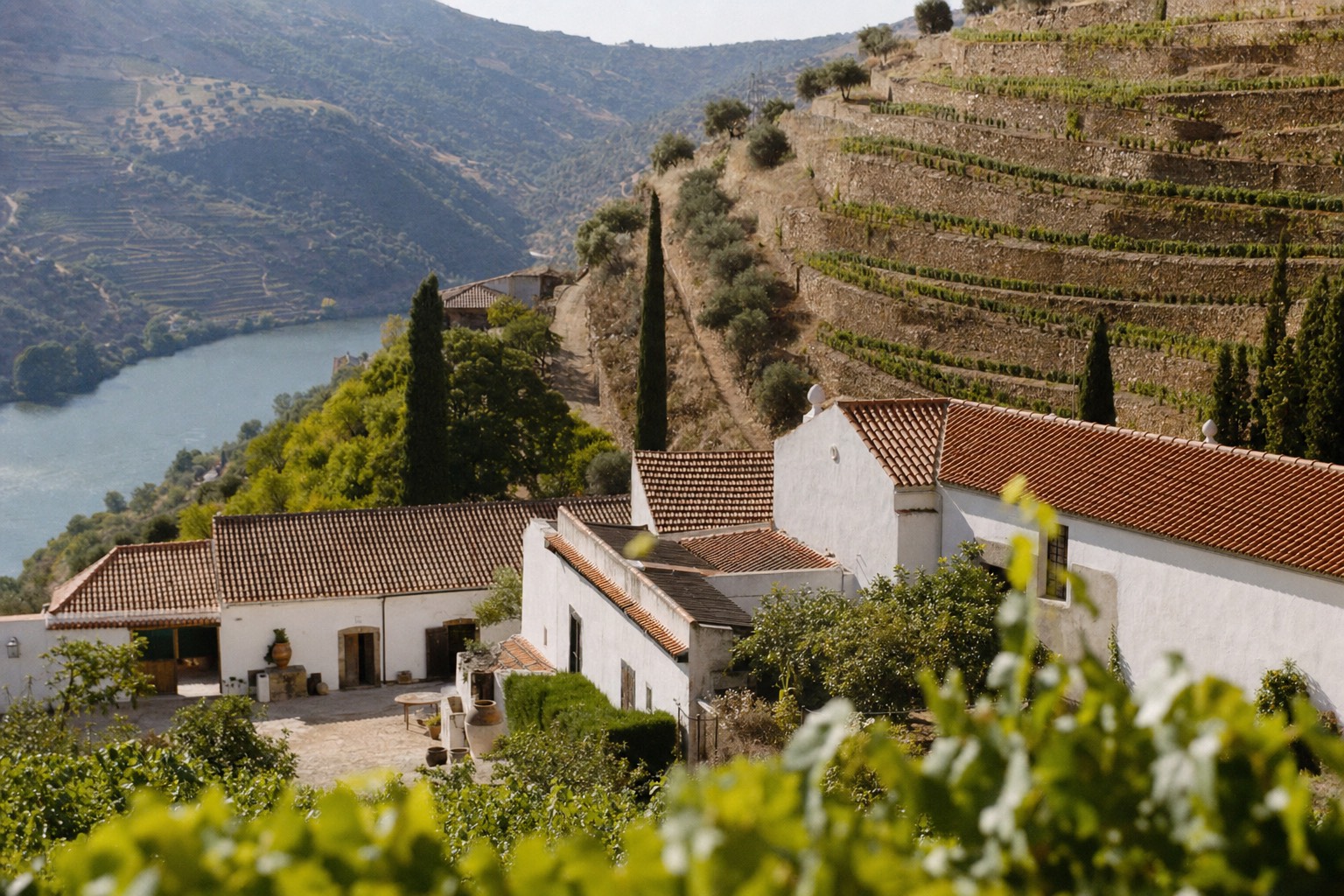
The word appears on every gate in the valley, painted on azulejo tiles, carved into granite: Quinta do this, Quinta da that. My guests read them off like a menu as we drive, and somewhere before Régua someone always asks what makes a quinta a quinta. Fair question. The valley has hundreds of them, a handful are world-famous, and choosing which two or three fill your day is the single decision that shapes a Douro trip more than any other.
What does "quinta" mean in Portuguese wine?
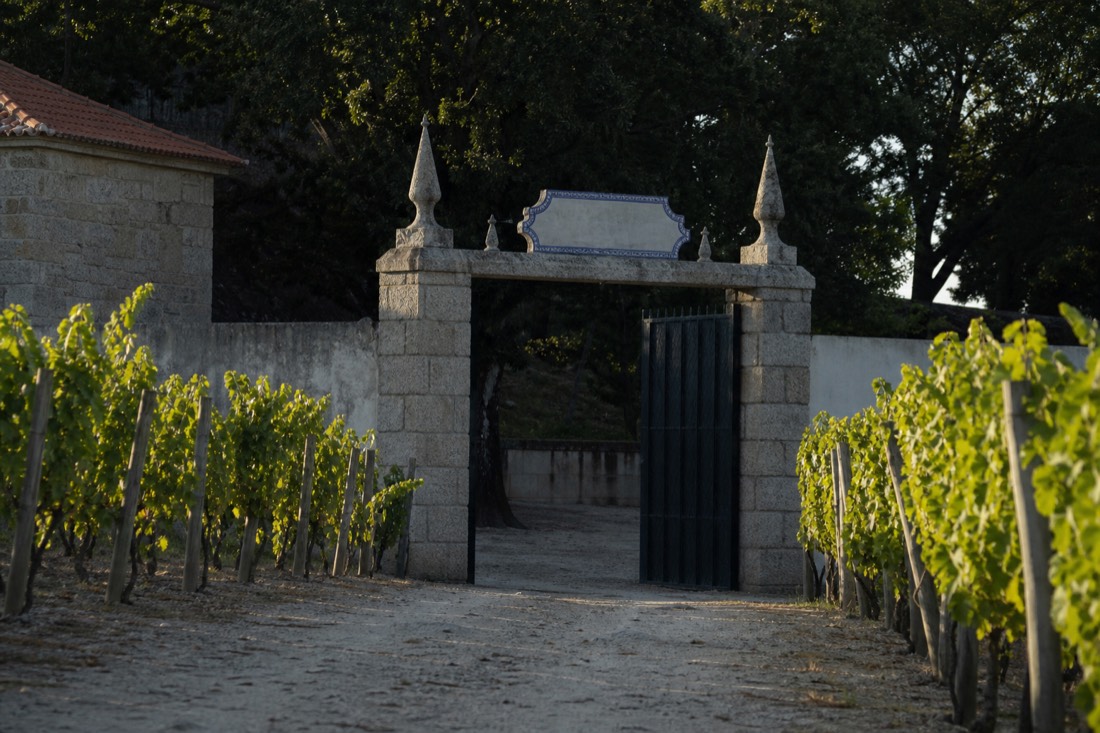
Quinta simply means a farm or country estate in Portuguese. In the Douro it means a wine estate: the vineyards, the buildings where the wine is made, and usually the family house, all under one name. On a Port label, a quinta name tells you the grapes came from that single property.
That single-property idea is why the word carries weight. Historically the big Port houses in Gaia blended fruit from many farms, and a quinta bottling was the exception that showed off one hillside's character. Today the estates themselves receive visitors, pour their own wines, and in many cases rent rooms, which is how "quinta" also became shorthand for the valley's wine hotels.
For a visitor the practical meaning is this: a quinta visit is a working-farm visit. Tanks, barrels, dogs, tractors. The polish varies enormously, from museum-grade visitor centers to a producer clearing glasses off the family table, and neither end of that scale is the wrong one.
Which quintas do the featured tours actually visit?
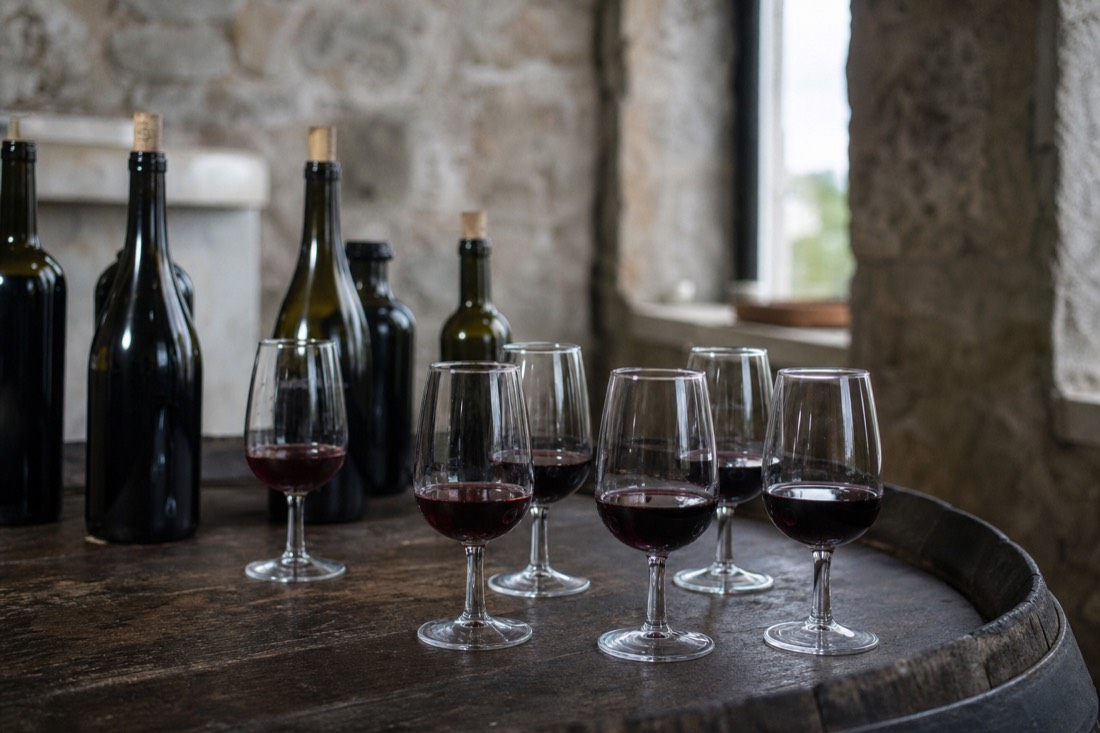
The small-group day tour visits two family estates, Quinta do Tedo and Quinta do Beijo, with guided tastings of Port and DOC Douro wines at each. The Amarante river day tastes at a premium Douro estate, and the off-road sunset tour opens with a 75-minute tasting at Quinta do Tedo.
I am reporting from the operators' listings here rather than ranking my own favorites, so you know exactly what your booking buys. The flagship small-group day gives each estate a proper 75-minute block in its itinerary, adds a Portuguese lunch and a 50-minute rabelo cruise at Pinhão, caps the group at eight, and holds 4.9 across 5,378 Viator reviews with 98 percent recommending it. That unhurried pace at small estates is precisely what a good tour buys: these are visits that would otherwise need advance arrangement and a designated driver.
The other two featured tours split the same idea differently. The Amarante day pairs its premium estate tasting with a private boat cruise and food stops, while the sunset tour follows its Quinta do Tedo tasting with 4x4 vineyard tracks and a picnic. Which combination fits you is the subject of the best Douro Valley wine tour, compared.
Is Quinta da Pacheca worth visiting?
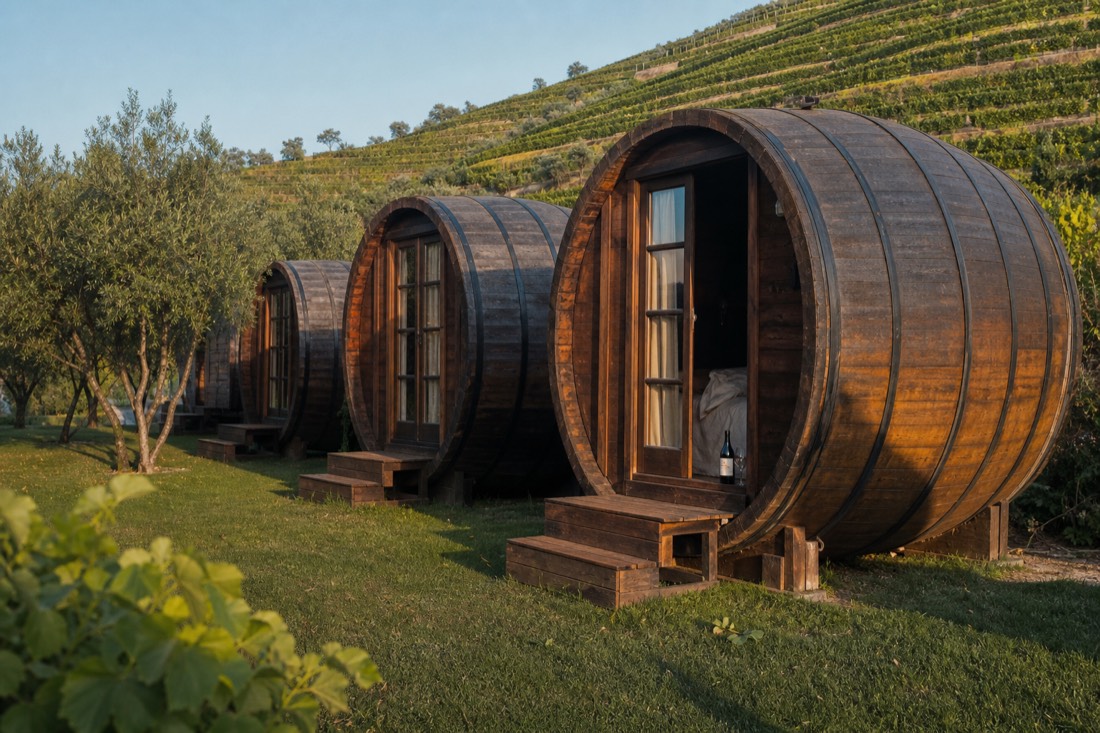
Yes, especially if you want the polished, visitor-ready version of the Douro. Pacheca sits across the river from Régua near Lamego, runs daily tours and tastings, offers seasonal extras like grape stomping, and its barrel-shaped sleeping suites made it one of the most photographed estates in the valley.
Pacheca is the estate I send people to when they are basing themselves in the valley without a tour, because it is genuinely easy: close to Régua, well signposted, geared for walk-up visitors in a way small family farms are not. The honest trade-off is that you share it. This is one of the most-searched names in the Douro, and a September afternoon there feels like it.
One detail regular readers of this site will recognize: Quinta da Pacheca is among the twelve valley pickup points for the off-road sunset picnic tour (a new listing, from $163, no reviews yet), so staying near Pacheca and touring from its gate is a real option, not a theory.
What about Quinta do Vallado?
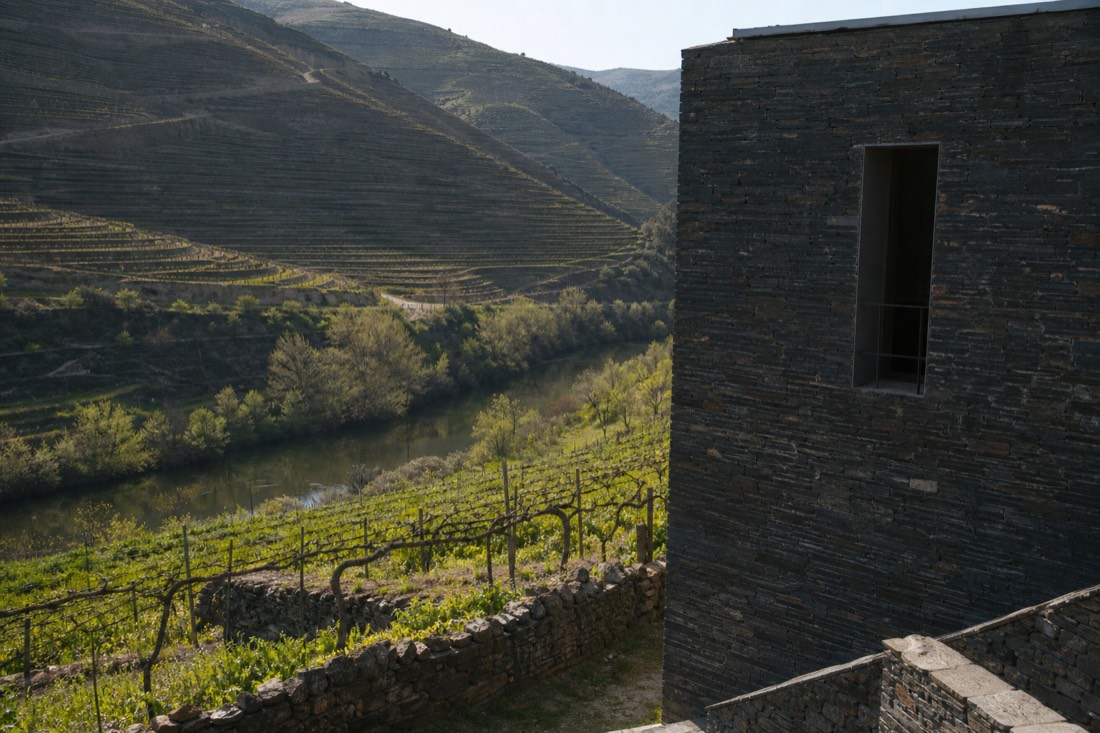
One of the valley's oldest estates, dating to 1716, on the banks of the Corgo just outside Peso da Régua. It is open to visitors year-round with daily tastings in Portuguese and English, pairs a historic house with a modern winery, and suits wine-first travelers more than photo-first ones.
Vallado is the connoisseur's counterpart to Pacheca's crowd-pleaser. The setting is quieter, off the postcard river bend, and the emphasis lands on the wines and the winemaking rather than the spectacle. If your idea of a good hour is asking questions about old-vine field blends while someone pours, book it. If you want the terraces-tumbling-to-the-river backdrop, know that its Corgo-side location frames differently than the Pinhão amphitheater does.
| Estate | Best for, honestly |
|---|---|
| Quinta do Tedo | Small family-estate feel; visited on the flagship day tour and the sunset tour rather than casually. |
| Quinta do Beijo | The second stop on the flagship day; intimate pours as part of an arranged visit. |
| Quinta da Pacheca | Independent visitors wanting an easy, polished stop near Régua; famous barrel suites, bigger crowds. |
| Quinta do Vallado | Wine-first travelers; 300 years of history, serious tastings, quieter Corgo-side setting. |
Should you visit quintas independently or on a tour?
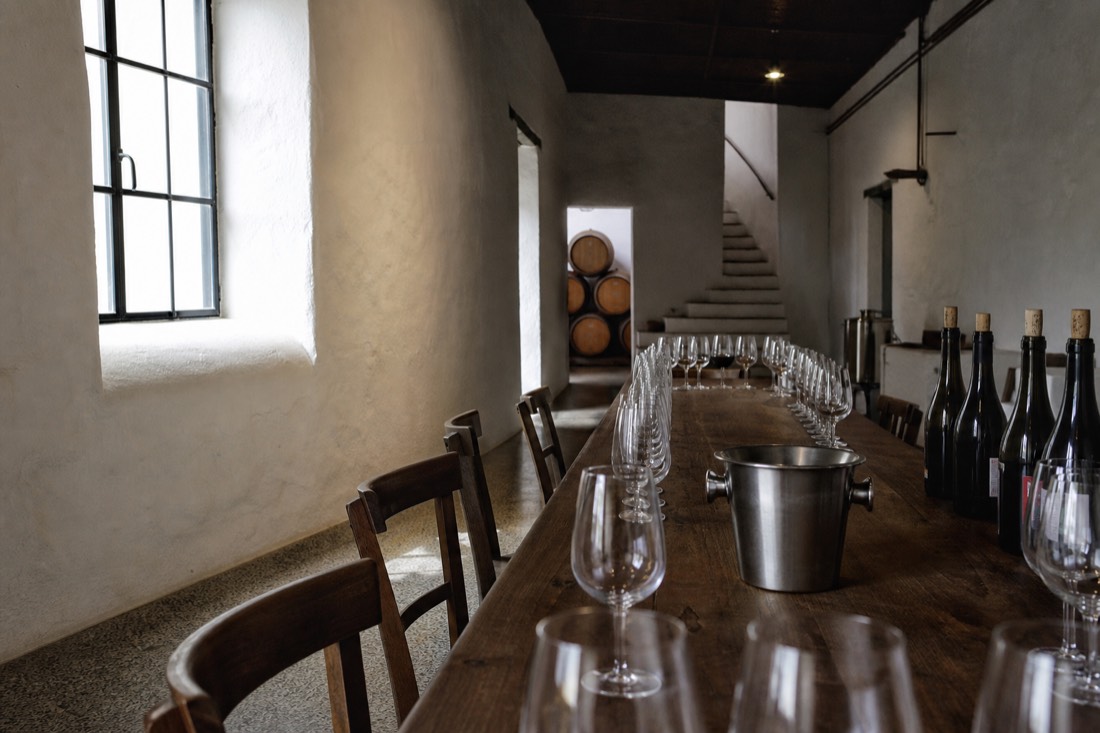
Both work, for different estates. The famous visitor-ready quintas reward independent visits: book direct, take your time, sleep there if you like. The small family estates reward tours, which arrange access, translate, and solve the problem that someone has to drive between tastings on narrow roads.
My honest split, having watched hundreds of visitors do it both ways: independence shines when you are staying in the valley two or more nights and want one anchor visit per day at a Pacheca or a Vallado. Book direct with the estate, go at opening time, and you get the calm version of a famous place.
The tour wins on a day trip, and it is not close. Two arranged estate visits, lunch, a cruise and all the driving compress into one day what independent logistics spread across two, and Portugal's 0.5 drink-drive limit stops mattering to you entirely. I laid out that whole calculation, including when self-driving genuinely wins, in tour or drive yourself. And if your quinta priority is harvest action rather than architecture, timing beats venue: see the best time to visit the Douro Valley.
Common questions about Douro quintas
What is the difference between a quinta and a winery?
A winery is just the production facility. A quinta is the whole estate: vineyards, winery, and usually the house, under one historic name. Most Douro quintas make wine on site, so in practice a quinta visit includes a winery visit, plus the landscape around it.
Do you need reservations to visit Douro quintas?
For most, yes, at least in high season. Large visitor-ready estates take walk-ins more readily, but smaller family properties receive guests by arrangement. Tours carry their own arranged access, which is a real part of what you pay for.
Which quintas does the featured small-group tour visit?
Quinta do Tedo and Quinta do Beijo, per the operator's Viator listing, each with a guided tasting of Port and DOC Douro wines, plus a traditional Portuguese lunch and a 50-minute rabelo cruise at Pinhão. The listing holds 4.9 across 5,378 reviews.
Can you sleep at a Douro quinta?
Many estates rent rooms, from simple farmhouse quarters to Pacheca's barrel-shaped suites and Vallado's wine hotel. Sleeping at a quinta suits slow wine trips; day-trippers from Porto do not need it to see the valley well.