Best Time to Visit the Douro Valley
Harvest gets the headlines, spring gets the color, summer gets the heat. Here is when each version of the valley is worth your dates, from someone who works all four.
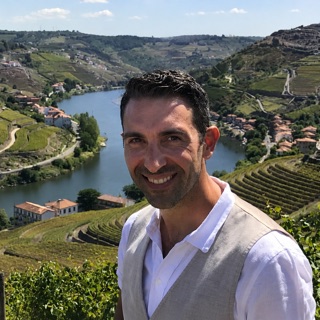 Written with Niko Stavros, Douro Valley wine tourism specialist
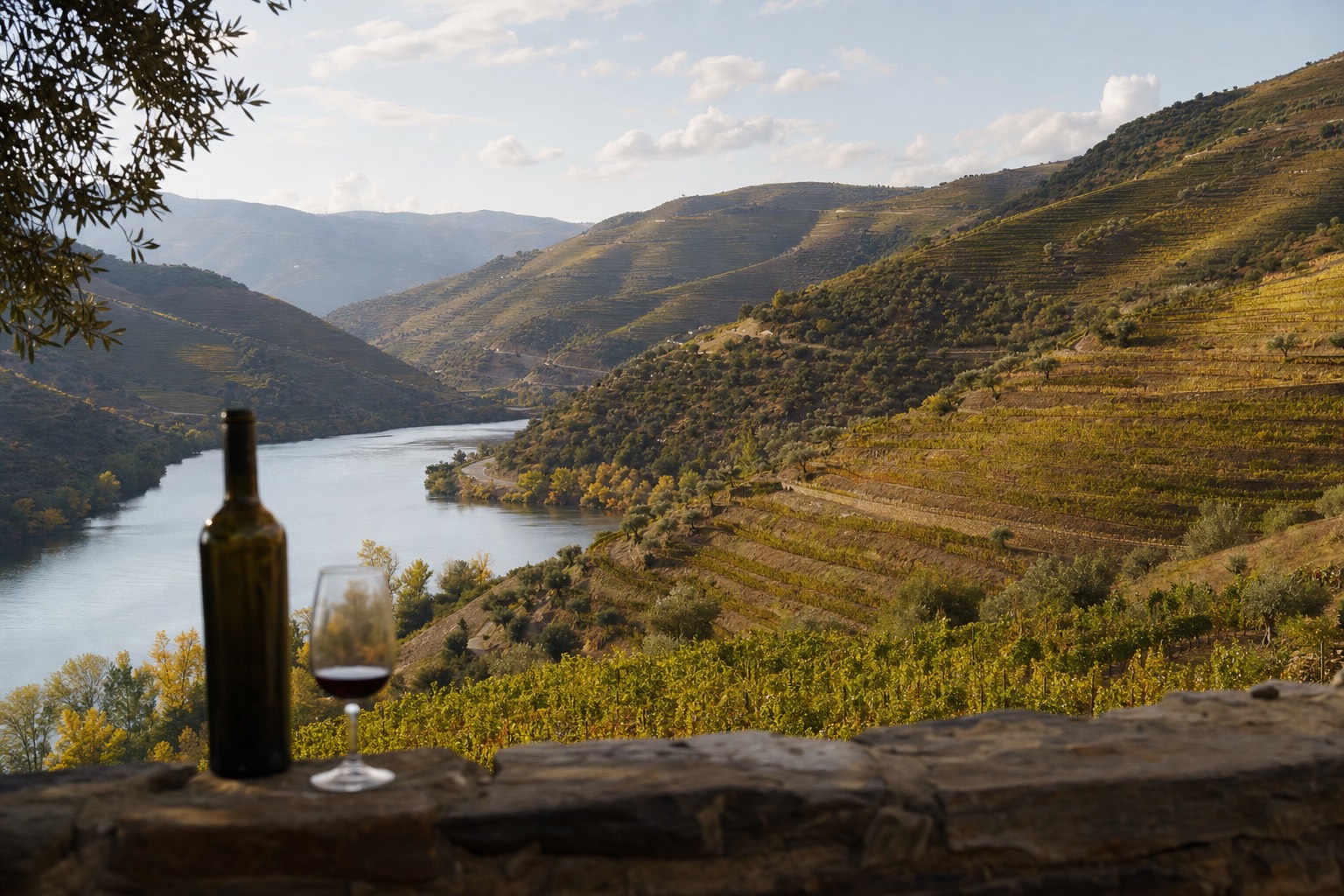
Short answer
September and early October are the peak: harvest (vindima) fills the terraces with pickers and the quintas with activity. May and June run a close second, when the vines are impossibly green and the crowds thinner. Summer afternoons are seriously hot, and winter is quiet but atmospheric. Book harvest dates early, because the popular small-group tours do sell out.
People ask me for the best month as if the valley had one. It has at least three, and they are different products. September smells like crushed grapes and diesel from the harvest trucks. May smells like wet green leaves. August smells like hot schist, which is a polite way of saying the stones themselves radiate heat. I have guided visitors through wine experiences here since 2022, and the honest answer to "when should we come" always starts with another question: do you want the show, the scenery, or the silence?
When is the best time to visit the Douro Valley?
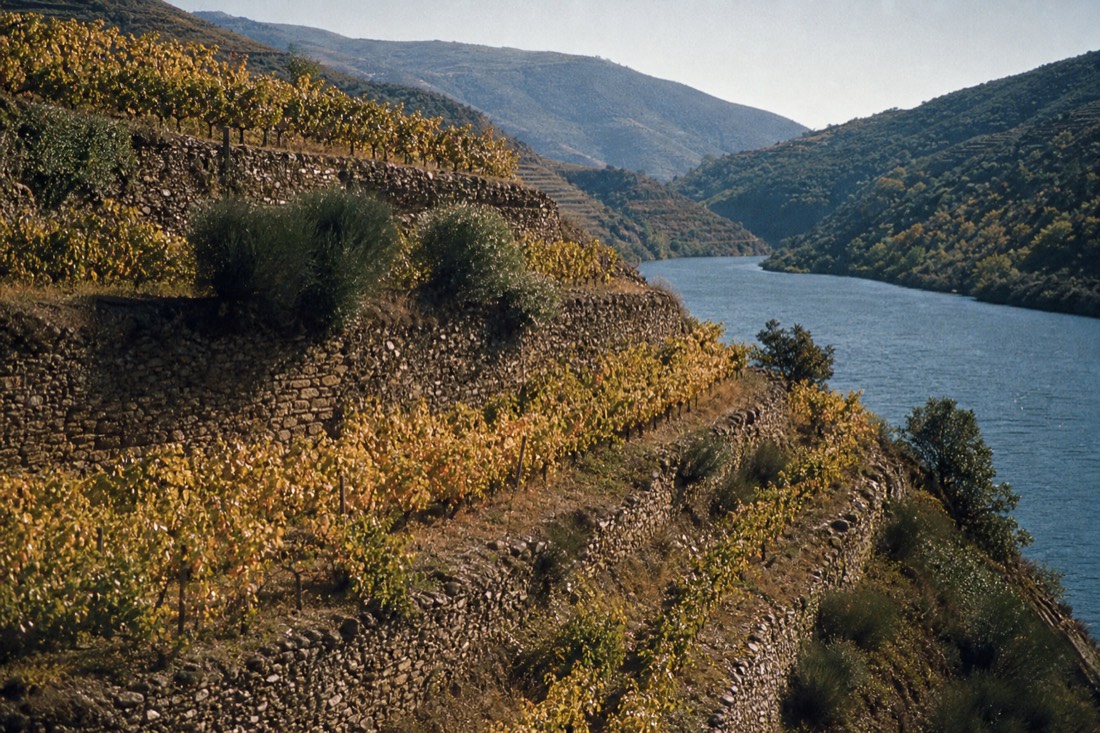
Mid-September to mid-October for harvest energy and turning colors; May and June for green terraces, mild weather and easier bookings. Those two windows cover most travelers. July and August work if you handle heat well, and November to March suits people who want the valley almost to themselves.
The table below is my working judgment after four years of seasons here, not a statistics bureau. Weather swings year to year, and the harvest moves with it.
| Months | What you get |
|---|---|
| March to April | Almond and cherry blossom, cool air, some rain. Vines still bare early on. |
| May to June | The green season. Lush terraces, long days, comfortable tasting weather, moderate crowds. |
| July to August | Hot, dry, dramatic light. Fine on the water and in cellars, punishing at 3 pm on a terrace. |
| September to mid-October | Vindima. Harvest activity, grape smell in the air, vines turning gold and red. Peak demand. |
| Late October to November | Full autumn color early, then bare vines and mist. Underrated for photographers. |
| December to February | Quiet, cool, occasionally grey. Cellar tastings by the fire, some places on reduced hours. |
What is harvest season (vindima) actually like?
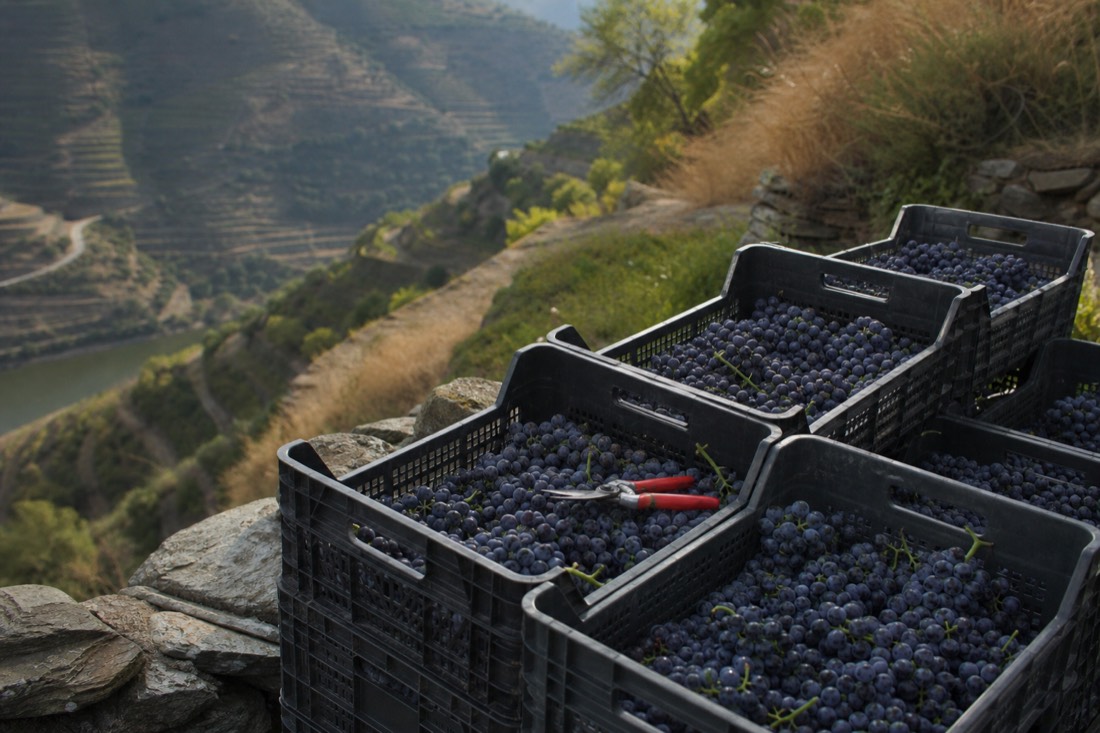
The valley's busiest, loudest, best-smelling weeks. Picking teams work the terraces, tractors queue at winery doors, and some quintas invite visitors to join grape treading. Harvest generally runs from early September into October, with the exact start shifting each year by weather and subregion.
Two honest caveats. First, the vindima is a working harvest, not a festival staged for visitors. You will see picking where picking is happening that day, and a quinta that finished its parcels on Tuesday is quiet on Wednesday. Second, grape treading experiences are seasonal extras that individual estates schedule, so treat them as a bonus rather than a promise. I go deeper on the season in the Douro harvest, explained.
What no one warns you about is demand. Harvest weeks concentrate a year of interest into six of them.
Is spring the underrated pick?
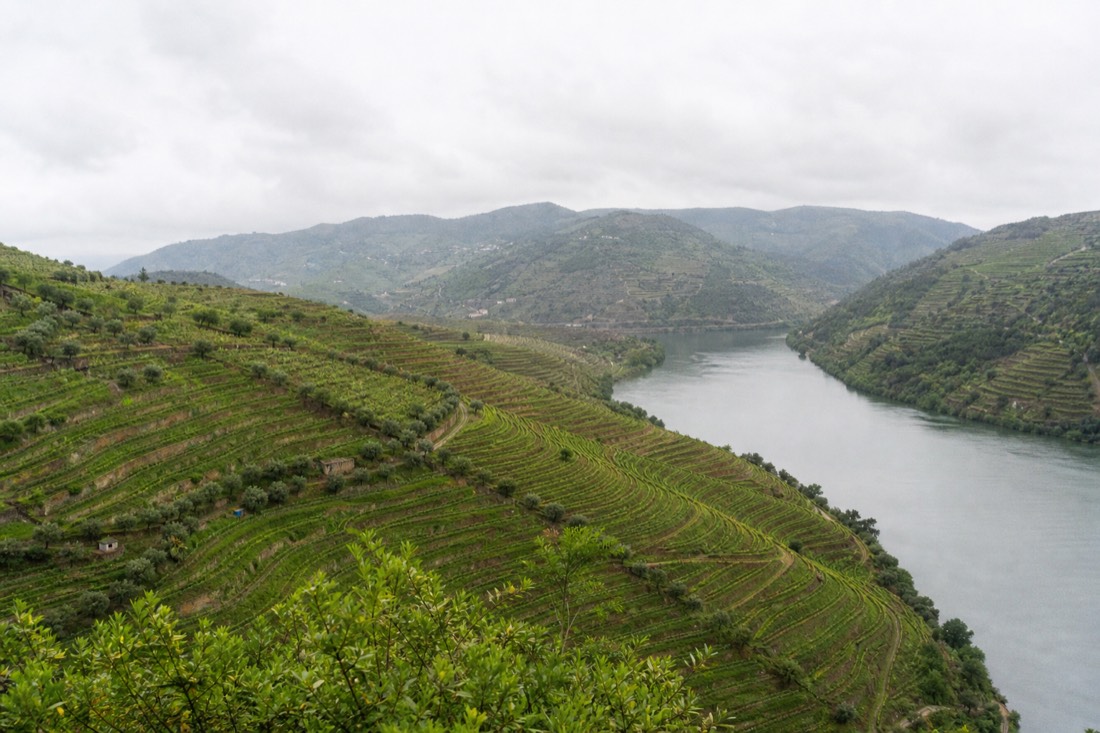
For scenery per euro of hassle, yes. In May and June the terraces are at their greenest, daytime temperatures sit in tasting-friendly territory, days run long, and you can still book good tours a week or two out instead of a month or two. Photographers argue spring green beats autumn gold.
I lean spring for couples and photographers, and I say that as someone whose favorite working weeks are in the vindima. The green is not subtle. After the winter rains the whole valley switches on at once, and the river runs full beneath it. Quintas are open, pours are unhurried, and the guides are not yet running on harvest adrenaline.
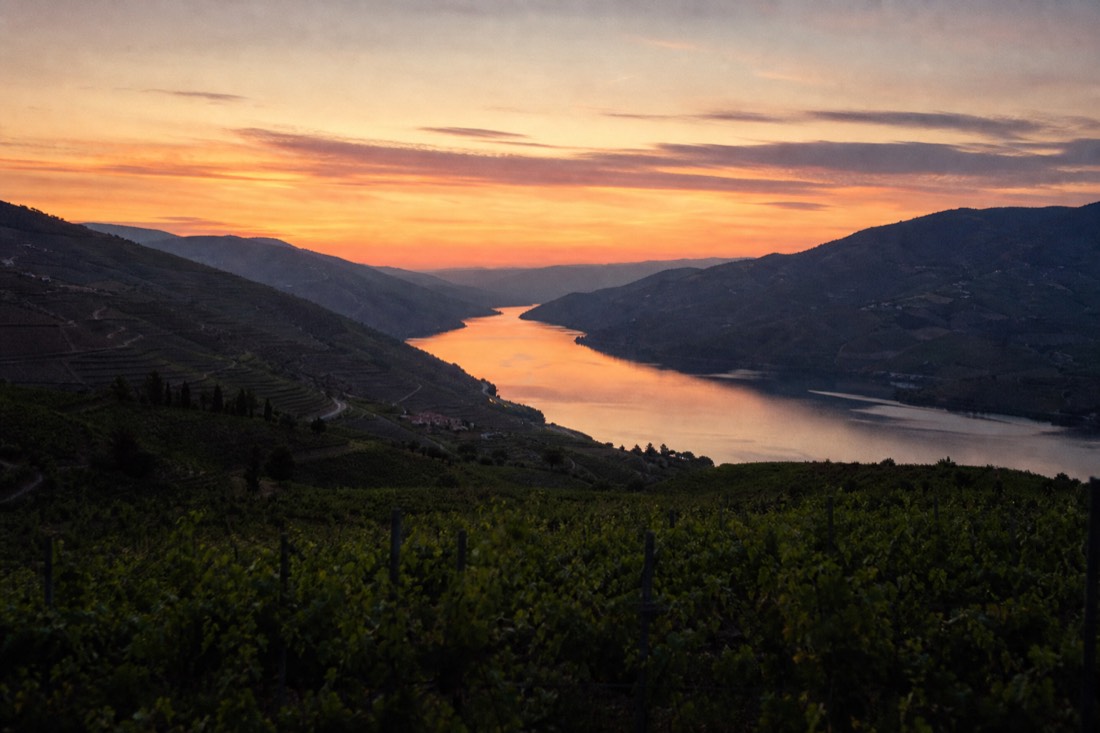
June also starts the proper sunset season, which matters if you are eyeing the romantic end of the market. The off-road sunset picnic tour, a new listing from $163 with 4x4 vineyard tracks and a picnic above Valença do Douro, is built around exactly that golden hour.
What about summer heat and winter quiet?
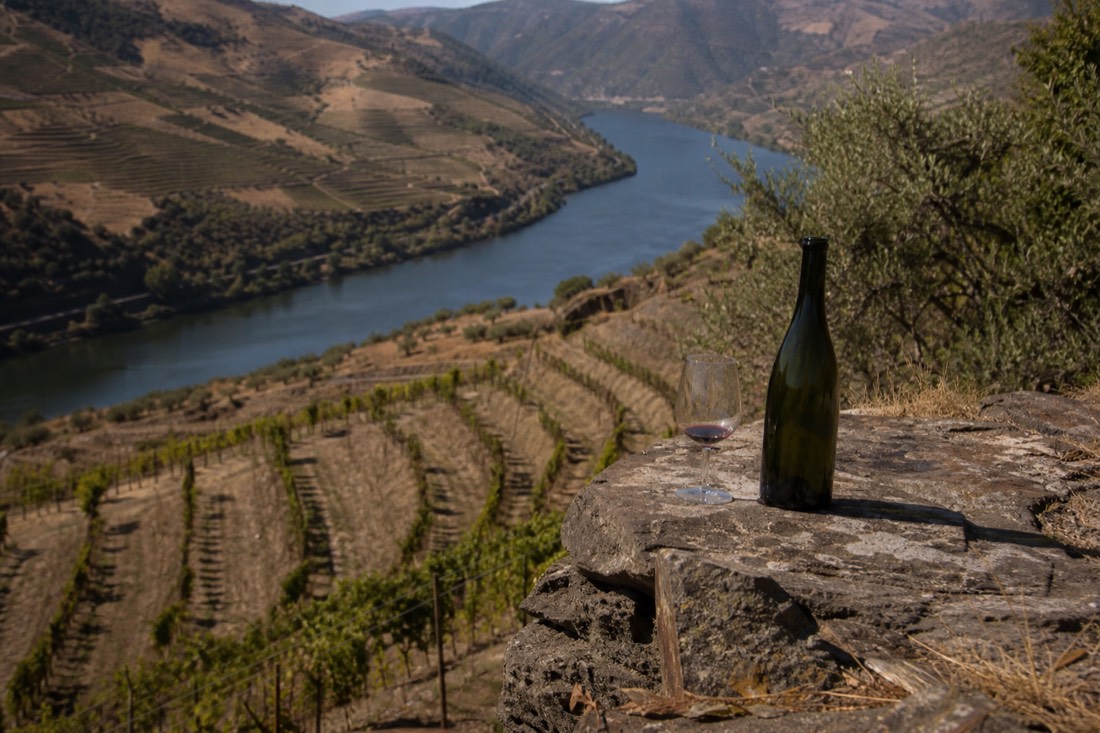
Summer works if you plan around the heat: mornings at quintas, midday on the river or in a cellar, never a 3 pm terrace hike. Winter is the valley on mute, quiet and often beautiful, with bare vines, mist and fireside tastings, but shorter days and some venues on reduced hours.
The Douro is one of the hottest corners of Portugal in July and August, and I say that from standing on its terraces, not from a weather table. The schist soil that ripens great grapes stores heat like an oven floor. Boat decks and barrel cellars are your friends; the 50-minute rabelo cruise at Pinhão that the flagship day tour includes is genuinely the best seat in the valley on an August afternoon.
Winter divides people. Tastings turn intimate, prices at quintas ease, and the mist over bare terraces photographs beautifully. But days are short, rain happens, and smaller estates trim their visiting hours, so check ahead. If your trip is wine-first rather than scenery-first, winter is better than its reputation.
When is the best month to cruise the Douro River?
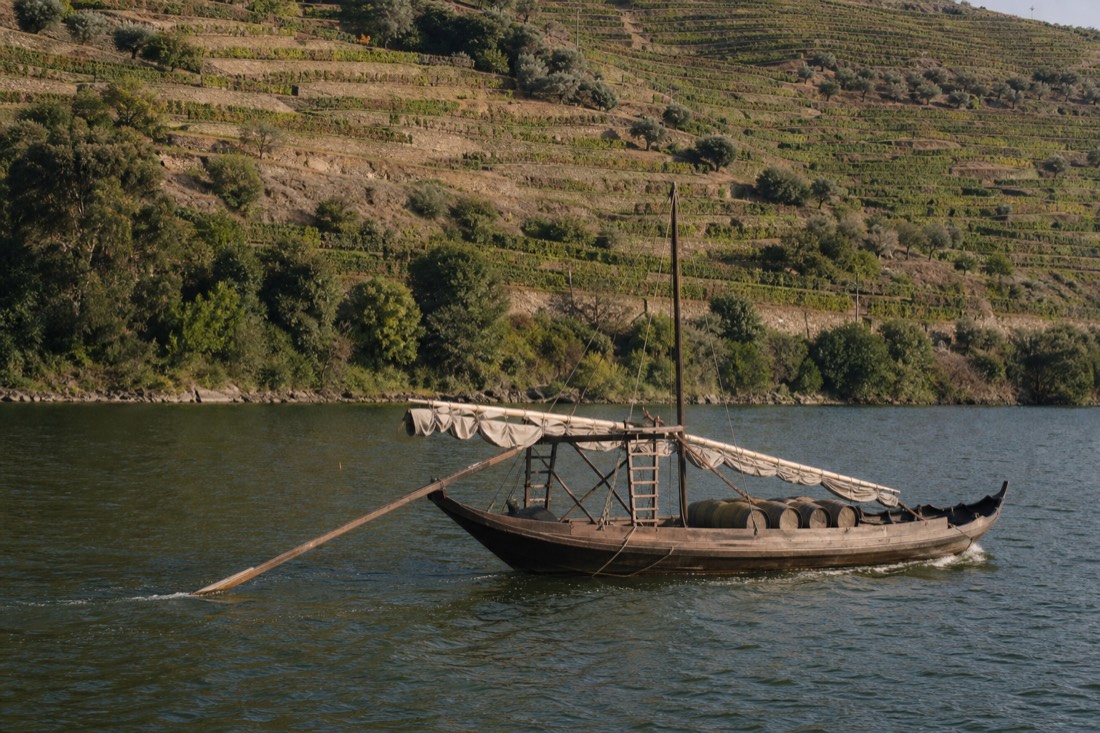
September, if you want the classic answer: harvest color on the terraces, warm decks, golden light on the water. May and June are the smart alternative with green hillsides and easier bookings, and July and August are lovely on the river itself because the water is where the heat breaks.
The short scenic cruises out of Pinhão are about the banks, not the boat, so pick the month by what you want the hillsides wearing. Gold and harvest bustle: September into early October. Deep green: late spring. My full breakdown of the short rabelo cruises, the Porto six-bridges loops and the multi-day ships lives in is a Douro river cruise worth it.
If a private boat appeals more than a shared pier cruise, the Douro and Amarante wine, food and river day runs its cruise with only its own clients aboard, serves a tapas brunch on the water, and holds 4.8 across 1,713 GetYourGuide reviews from $107.
How early should you book in each season?
For harvest dates, book tours as soon as your trip is fixed, ideally weeks ahead: the good small-group departures genuinely sell out. For May, June and summer, one to two weeks ahead is usually safe. In winter you can often book days out, though reduced schedules cut both ways.
This is the booking-window honesty section, because "book early" is usually a sales line and here it is sometimes just true. The small-group day tour this site features caps at eight seats per departure, which is the whole appeal and also the whole problem: eight seats in vindima season go fast, and its Viator listing was showing repeat bookings within hours when I last checked it. The Amarante river day currently carries a "likely to sell out" flag on its GetYourGuide listing. Neither operator needs manufactured urgency in late September.
The flip side, honestly stated: outside those peak weeks the calendars breathe. A June Tuesday rarely rewards panic-booking, and free cancellation up to 24 hours on all three featured tours means reserving early costs you nothing but a calendar entry. If you are still choosing which tour deserves your one Douro day, start with the best Douro Valley wine tour compared.
Common questions about timing a Douro trip
What months are harvest in the Douro Valley?
Generally early September into October, with the busiest picking around mid-September to early October. The start moves each year with the weather and ripening, and cooler or higher parcels pick later than riverside ones, so no specific week is guaranteed.
Is the Douro Valley too hot in August?
It is genuinely hot, and midday terraces are hard work. But cellars stay cool, river cruises catch the breeze, and mornings are workable. If August is your only window, structure the day around shade and water rather than skipping the valley.
Is the Douro Valley worth visiting in winter?
Yes, for a specific traveler: wine-first visitors who value quiet tastings over postcard terraces. Vines are bare and days short, but mist over the river is beautiful and hosts have time to talk. Check quinta opening hours ahead, as some reduce their winter schedules.
How far ahead should I book a harvest-season wine tour?
As soon as your dates are fixed. Small-group departures carry very few seats, September demand is the year's peak, and the featured tours cancel free up to 24 hours ahead, so early booking carries no real risk.