Is a Douro Valley River Cruise Worth It?
Three completely different boats hide behind one search phrase. Whether the cruise is worth it depends entirely on which of them you mean.
 Written with Niko Stavros, Douro Valley wine tourism specialist
Short answer
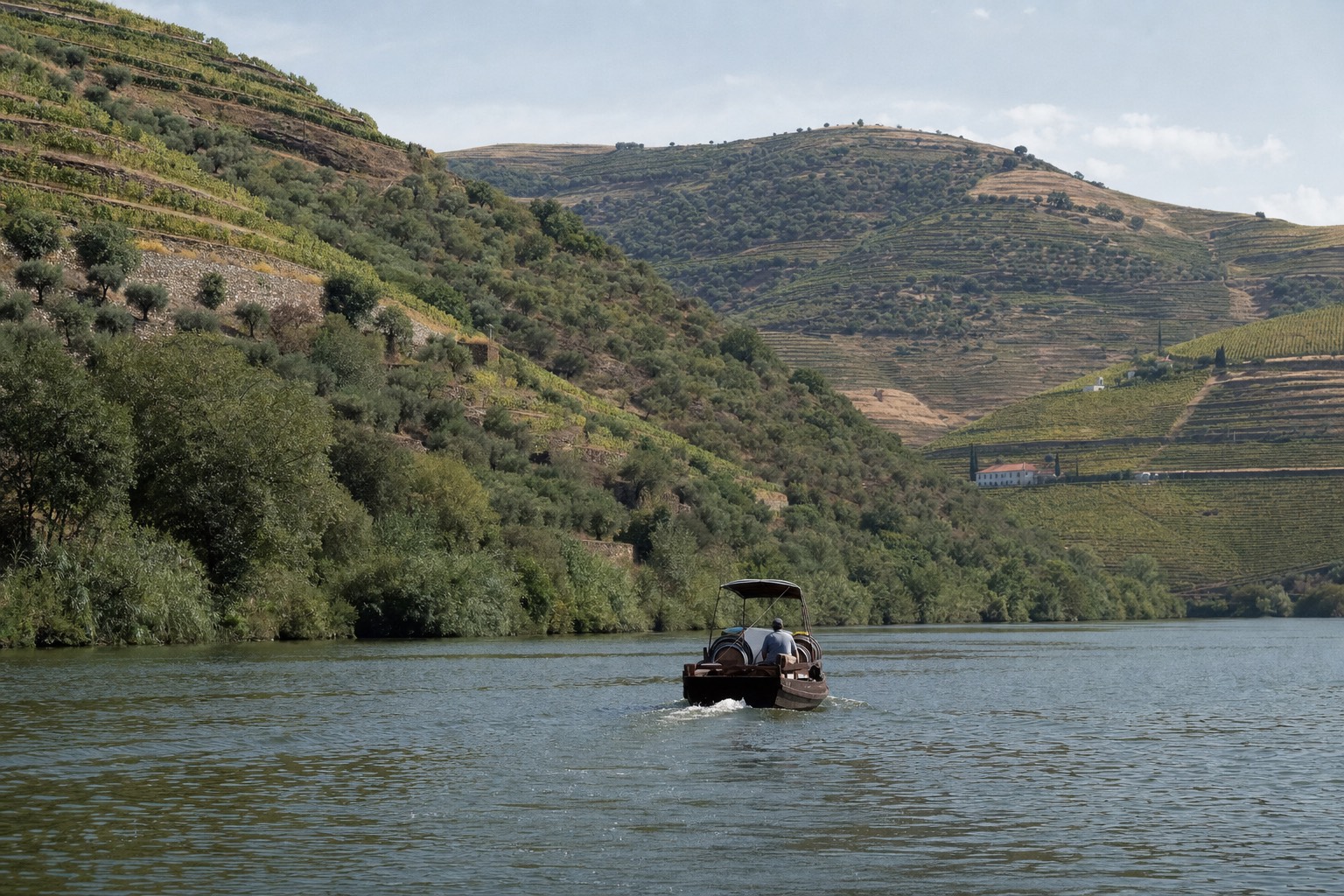
Yes, if you take the right one. A short cruise from Pinhão, in the heart of the terraced valley, is the hour that makes most Douro days: canyon walls of vines on both banks. Porto's six-bridges loops show you city facades, not the valley. Multi-day ships suit slow travelers with the budget for them. Most day visitors get the Pinhão version bundled into a wine tour.
From the middle of the river at Pinhão, the valley rearranges itself. Terraces you drove past an hour earlier stack up into green and gold walls on both banks, the road disappears, and the only sound is the engine and water. I take a lot of first-timers onto this river, and the reaction is reliable enough to set a watch by: quiet for the first two minutes, then someone says they finally understand the postcards. So yes, I am biased toward the boat. The honest work is sorting out which boat, because the internet sells three very different things as "a Douro river cruise."
Is a Douro river cruise worth it?
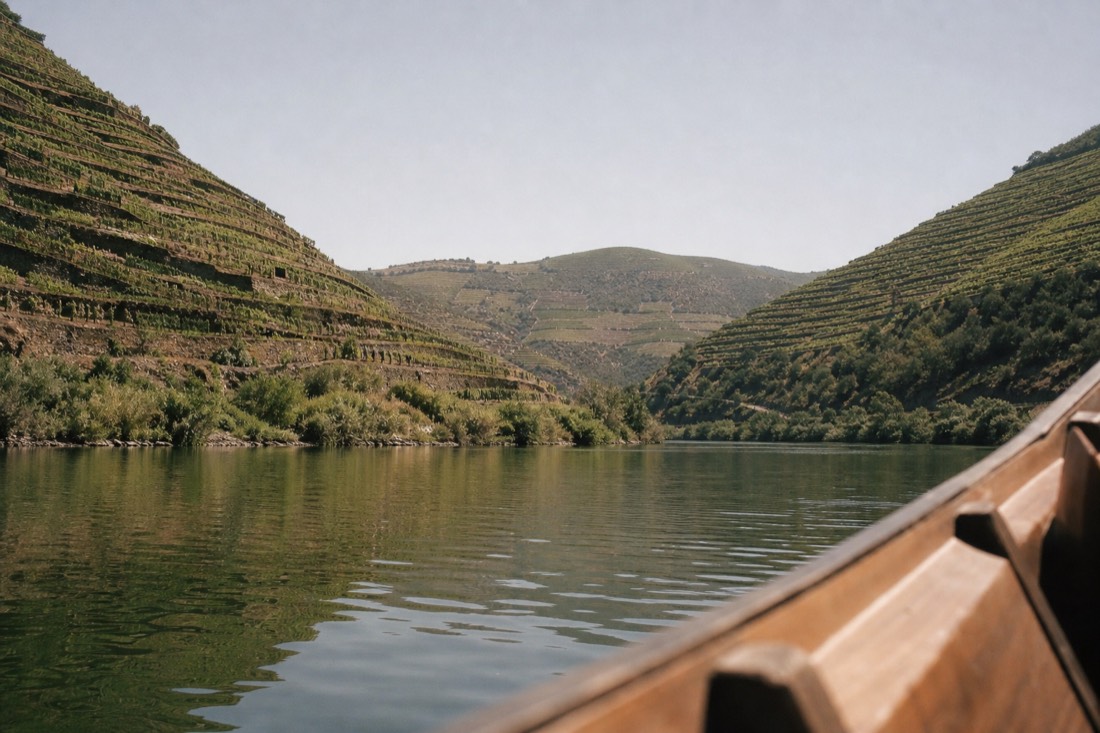
A cruise in the valley itself, from Pinhão or nearby, is worth it for almost everyone: the terraces were built to be seen from the water, and an hour afloat shows you angles no viewpoint reaches. A city cruise in Porto is a different, lesser product. Multi-day ships are worth it only for a specific traveler.
The reason the valley cruise earns its hour is geometry. The Alto Douro's famous terraces face the river, stacked on slopes too steep for roads to follow. From a miradouro you see across the valley; from the water you sit inside it, and the scale reads properly for the first time. UNESCO listed this landscape for a reason, and the river is the front-row seat.
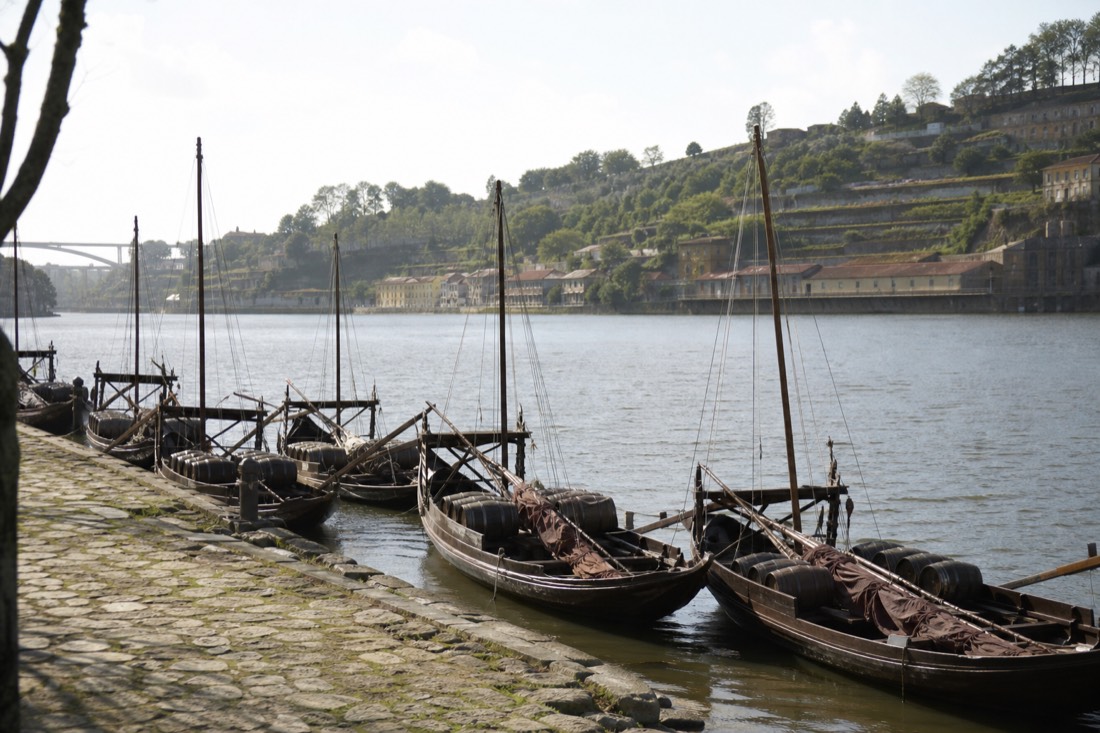
Worth it does not mean expensive or long. The classic format is under an hour on a traditional wooden rabelo, the flat-bottomed boats that once hauled Port barrels downstream. You do not need more than that hour to get the point. What you need is the right departure point, which brings us to the three-way split.
Which of the three Douro cruises are you actually asking about?
Three products share the name: short scenic cruises inside the valley at Pinhão, roughly hour-long six-bridges loops in Porto city, and multi-day hotel ships running between Porto and the Spanish border. They differ in scenery, price and purpose, and choosing the wrong one is the main source of disappointed reviews.
| Cruise type | What you actually see, and who it suits |
|---|---|
| Short valley cruise (Pinhão area) | Terraced vineyards from inside the gorge. The one that answers "is the Douro cruise worth it" with yes. Usually bundled into day tours. |
| Porto six-bridges loop | City riverbanks, bridge ironwork, Gaia's lodges. A pleasant city activity that never enters the wine valley, roughly 100 km away. |
| Multi-day river ship | The whole navigable river at walking pace, cabin included. For unhurried travelers who like ship life and fixed itineraries. |
The confusion is understandable, because searches for a "Douro river cruise from Porto" return all three. The test is simple: if the boat leaves from Porto and returns the same hour, you are seeing a city. If it leaves from Pinhão or Régua, you are seeing the valley the searches are really about.
What is the short Pinhão cruise actually like?
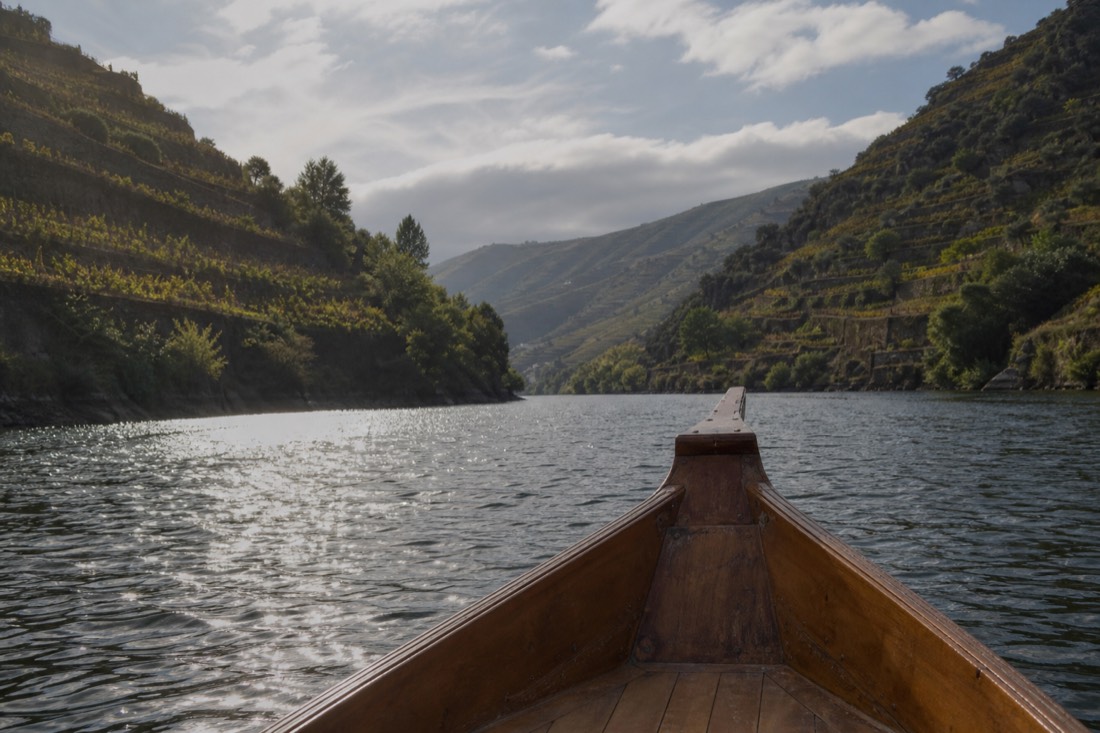
About an hour of slow water inside the best scenery the valley has. The flagship day tour this site features includes a 50-minute rabelo cruise at Pinhão within its itinerary, and the Amarante day runs a private-boat version with a tapas brunch served aboard. Standalone pier departures exist too.
Most visitors get this cruise the sensible way, folded into a day tour so the boat slots between tastings and lunch without any logistics on your part. On the small-group day tour, the 50 minutes on the water sit mid-itinerary between two quinta visits, and the whole day holds 4.9 across 5,378 Viator reviews. Booking the same hour separately from the Pinhão pier works fine if you came by train; it simply becomes one more thing to schedule.
The version I point couples and food-lovers toward is different in kind, not just degree. The Douro and Amarante wine, food and river day cruises with only its own clients aboard, no shared pier crowd, and serves a tapas brunch on the water: fumeiro smoked meats, bola de carne, pastel de nata, sparkling wine. It carries a Top rated badge at 4.8 across 1,713 GetYourGuide reviews, from $107, and the listing currently flags it as likely to sell out. Eating warm pastel de nata while the terraces slide past is the single most repeated highlight my guests describe from that combination.
Is the Porto six-bridges cruise the same thing?
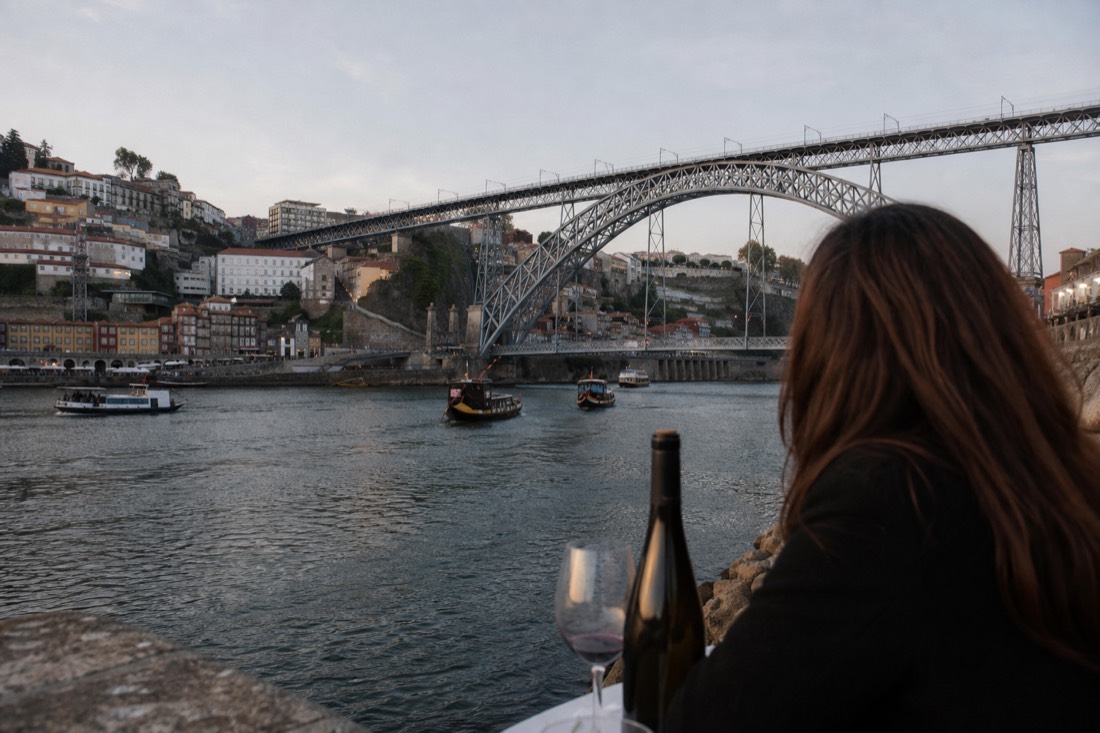
No, and this mix-up produces most of the "overrated" reviews. The six-bridges loops run through Porto city, under its famous bridges, past the Ribeira and Gaia's Port lodges. Enjoyable urban sightseeing, but the terraced wine valley lies far upstream, and no short city cruise reaches it.
I am not here to talk you out of a city cruise. Porto's riverfront is beautiful from the water, the Luís I bridge ironwork is worth craning at, and the loops are cheap and constant. Take one on your Porto day if it appeals.
Just buy it as what it is. Travelers book a six-bridges ticket expecting vineyards, spend the hour looking at apartment facades and bridge undersides, and go home reporting the Douro cruise is nothing special. The valley never got a chance. If your goal is terraces and wine country, the water time has to happen upstream, which for day-trippers means a tour that drives you there first. My full comparison of the featured days lives in the best Douro Valley wine tour.
Who should book a multi-day ship cruise instead?
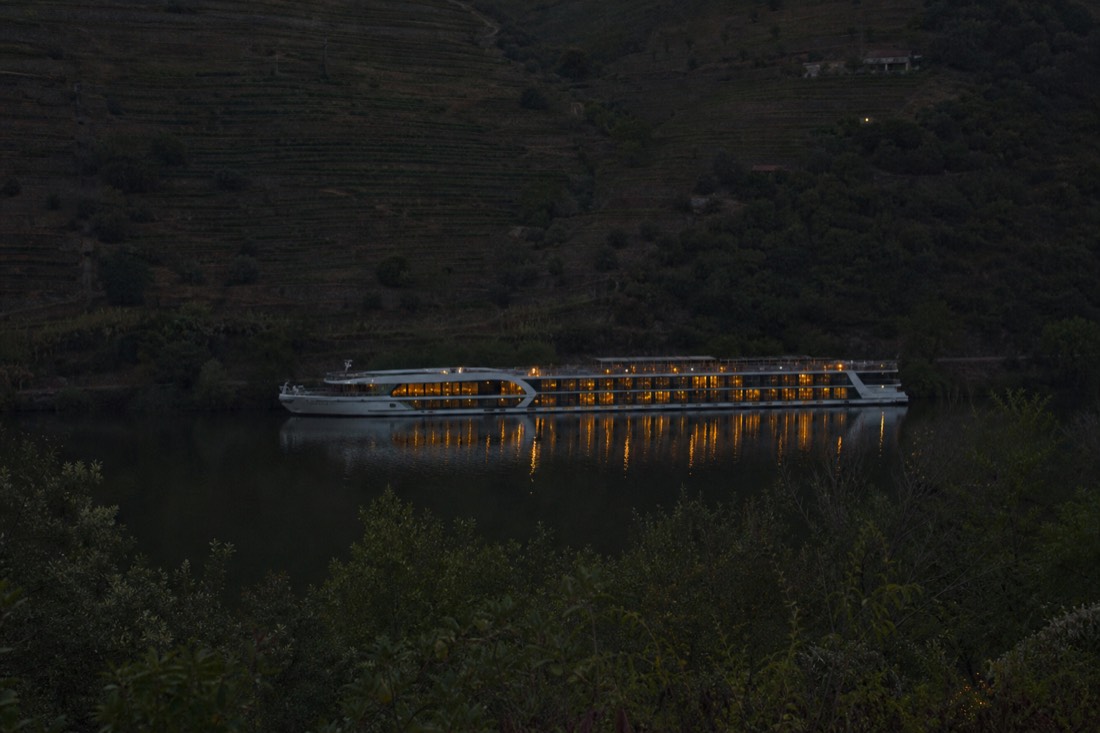
Travelers with several days, a taste for ship life, and no urge to improvise. The hotel ships run the navigable river with shore excursions arranged, which suits unhurried travelers well. Day visitors, independent-minded planners and anyone short on time get more valley per hour from a land-based day with a short cruise inside it.
The multi-day ships are a genuinely different holiday, closer to a floating hotel tour of northern Portugal than to anything in this site's day-trip territory, and I have met guests who loved them. The honest trade-offs: fixed itineraries, group shore excursions, and days structured around the ship's schedule rather than yours.
My rule of thumb for the choice: if the river is the trip, take the ship. If the river is one bright hour inside a wine trip, take a day tour with the cruise built in and spend your nights where you choose. Timing the water for harvest color or spring green matters more than most people expect, and that calendar is in the best time to visit the Douro Valley. Where to sleep around it is covered in stay in Porto or the Douro Valley.
Common questions about Douro river cruises
How long is the river cruise on a Douro day tour?
On the featured small-group day it is a 50-minute rabelo cruise at Pinhão, per the operator's Viator listing. The Amarante day's private cruise runs about an hour by its published itinerary, with the tapas brunch served aboard. Around an hour is the standard valley format.
Is the Porto six-bridges cruise worth doing at all?
As a Porto city activity, yes: bridges, the Ribeira and Gaia's lodges from the water. As a Douro Valley experience, no. It never leaves the city, and the terraced wine country the searches are about lies roughly 100 km upstream.
What is a rabelo boat?
The traditional flat-bottomed wooden boat of the Douro, built to carry Port wine barrels from the valley's quintas downstream to the lodges at Gaia before roads and rail took over. Today rebuilt rabelos carry visitors on short scenic cruises, mostly around Pinhão and Porto.
Do Douro cruises run all year?
The river is busiest from spring through harvest, and that is when departures are most frequent. Outside high season schedules thin out, so check live availability for your dates rather than assuming a boat will be waiting, especially in winter.