Vindima: What Douro Valley Harvest Season Is Really Like
From roughly mid-September to early October the Douro goes to work. A local wine guide on what the vindima looks like up close, which quintas let visitors pick and stomp grapes, why tours sell out, and the quiet case for October.
 By Niko Stavros, Douro Valley wine tourism specialist
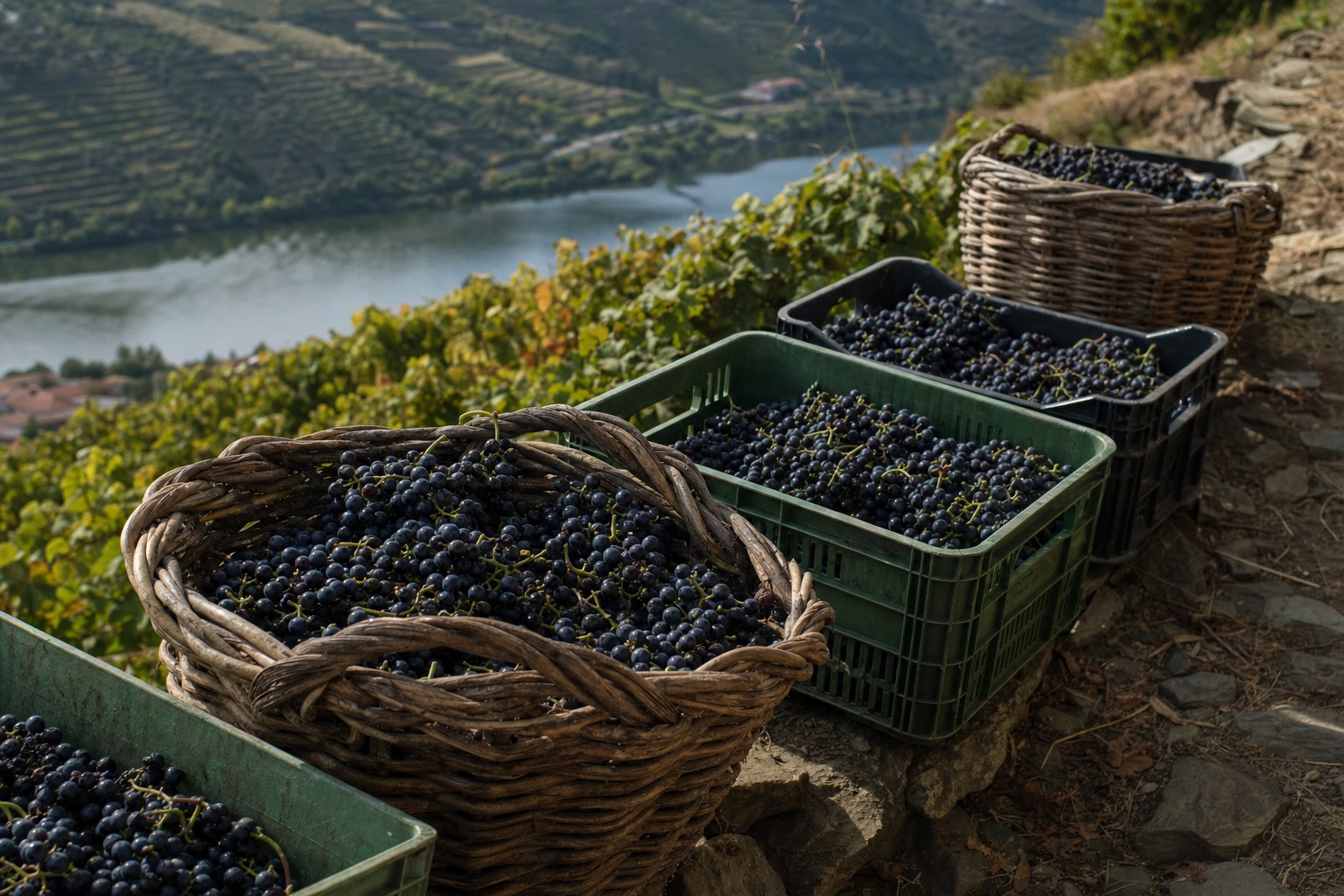
The first sign is the smell. Sometime in September, usually around the middle of the month, the whole valley starts to smell faintly of crushed fruit and fermentation, the way a kitchen smells when jam is on the stove. Then come the tractors on the N222 at dawn, the vans of pickers, and the lights in the wineries at midnight. I have lived through several vindimas here as a working wine guide, and it remains the best and most chaotic time to see the Douro. Here is what it is actually like, and how to plan around it.
What actually happens during the vindima?
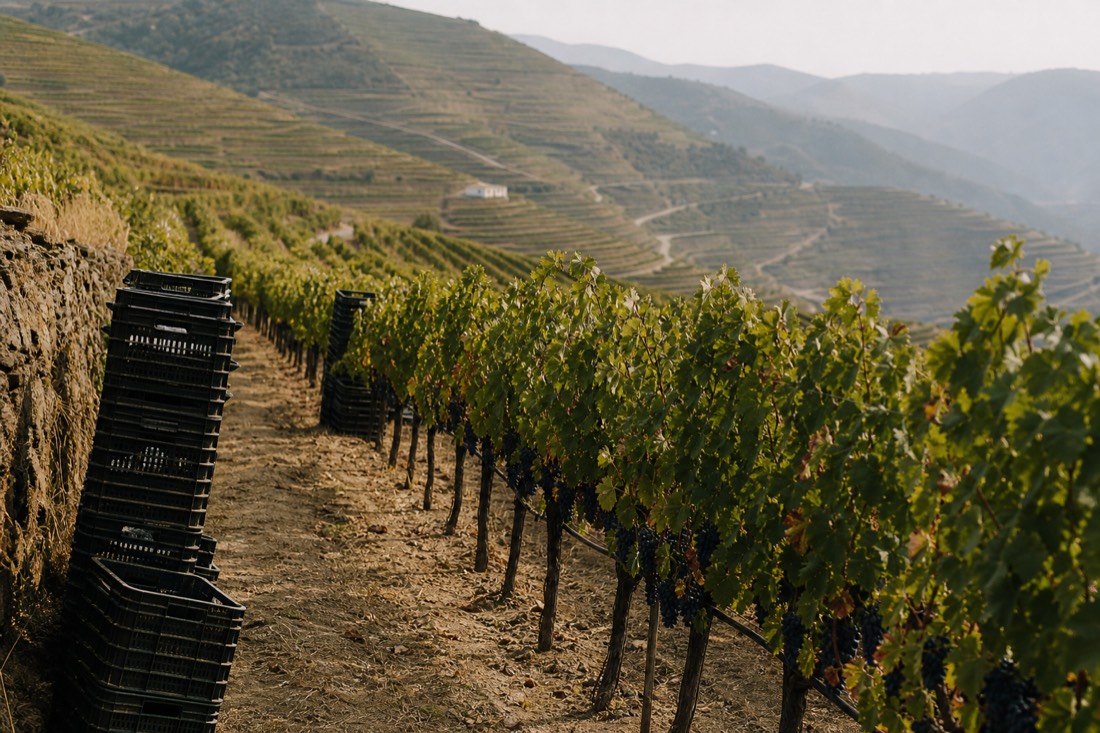
The vindima is the annual grape harvest, and in the Douro it is still substantially done by hand, because machinery cannot work terraces this steep. For three to five weeks the valley mobilizes: picking crews on the walls, trucks of grapes queuing at wineries, and in some cellars, grapes still crushed by foot at night in granite lagares.
What surprises visitors is the noise and the theater of it. This is not a quiet agricultural process happening behind gates. You see crates being passed hand to hand down terrace walls, you get stuck behind a grape truck on a hairpin, and if you are lucky with timing at a working quinta you hear a lagar crew keeping rhythm while they tread. Some estates still sing. Nobody is doing it for you; it would be happening whether you came or not, which is exactly why it feels different from every staged wine experience in Europe. It is also why September departures of the small-group day tour this site features land differently: its two estates, Quinta do Tedo and Quinta do Beijo, are working wineries, so in harvest weeks your tasting happens next to the real thing rather than after it.
It is also, frankly, hard work happening in heat. If you visit during picking, stay out of the crews' way on the terraces and ask before photographing people up close. The valley is a workplace in September before it is a backdrop.
When exactly is harvest season in the Douro?
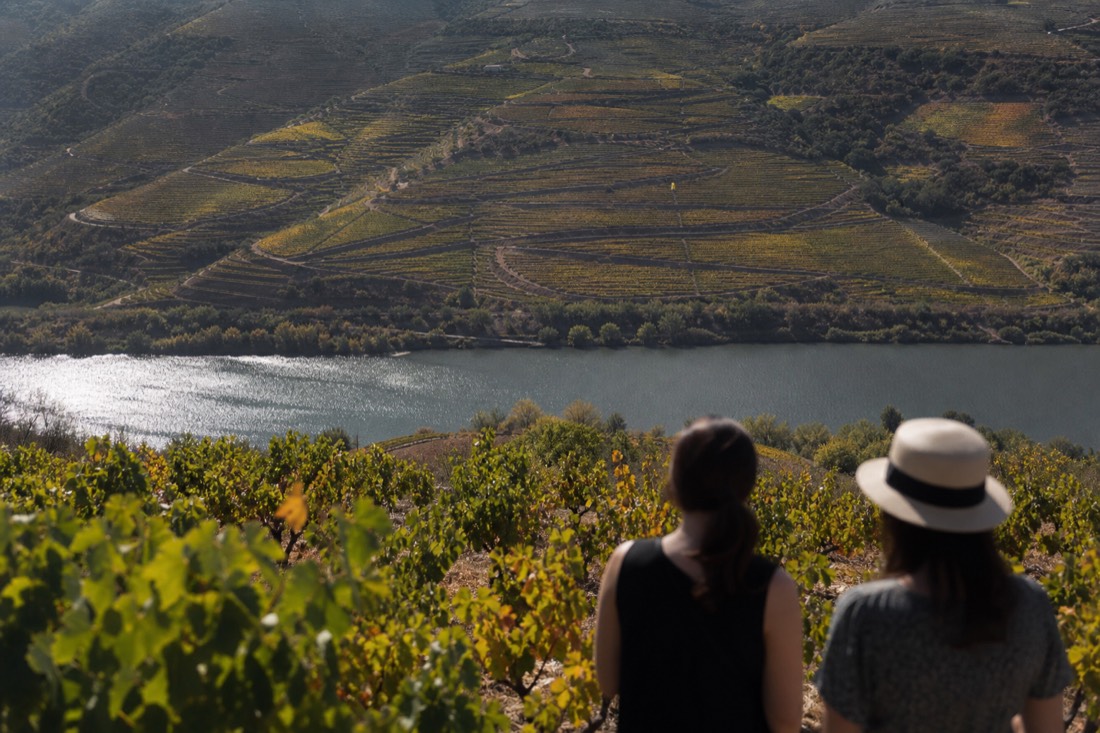
The core window runs from roughly mid-September to early October, with the busiest picking usually between about September 10 and October 5. It moves with altitude and grape variety: the hotter, lower vineyards of the Douro Superior and Cima Corgo go first, higher and more westerly parcels follow. Hot years have pulled starts back into late August.
No quinta will commit to dates in advance, because the grapes decide. That matters for planning: if standing in a picking crew is the point of your trip, aim for the third and fourth weeks of September, which is the fattest part of the window in most years, and build in flexibility either side.
| When you come | What you will most likely find |
|---|---|
| Late August to early September | Pre-harvest tension, some early picking in the hottest parcels in warm years |
| September 10 to 30 | Peak vindima: crews everywhere, wineries running flat out, harvest programs live |
| October 1 to 10 | Tail of picking in higher vineyards, first vine leaves turning, must fermenting everywhere |
| Mid to late October | Picking done, golden vineyards, empty terraces, the valley exhales |
For how harvest weather compares with spring and summer visits, the season-by-season picture is in the best time to visit the Douro Valley.
Can visitors really pick and stomp grapes?
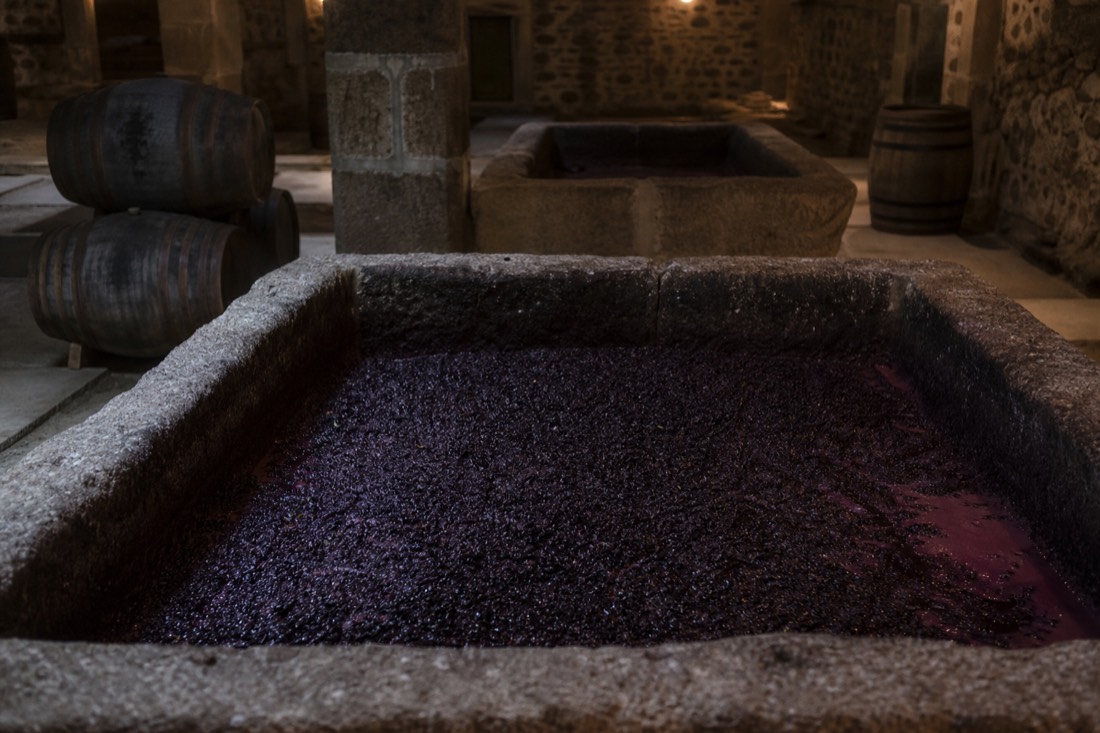
Yes, at estates that run structured harvest programs, and only during the harvest itself. The clearest verified example is Quinta da Pacheca near Régua: its published vindima program has included a full harvest day with picking, lagar stomping, lunch and tasting at €150 per person, with shorter stomping-plus-tour options around €45 to €105. September only, prebooked directly.
Two honest caveats. First, prices and formats change season to season, so treat those figures as the recent shape of the offer and confirm the current program with the estate before you build a day around it. Second, plenty of other quintas run similar experiences, but they announce them late, precisely because the grapes set the calendar; if you have a favorite estate from the best quintas and wineries guide, write to them in July or August and ask.
And a reality check I owe you as someone who has done it: an hour of picking on a 35-degree terrace is a novelty, and a full morning is labor. The stomping is the part everyone actually loves. Cold grapes, warm granite, and a memory that outlasts every bottle you bring home.
Why do Douro tours sell out in September?
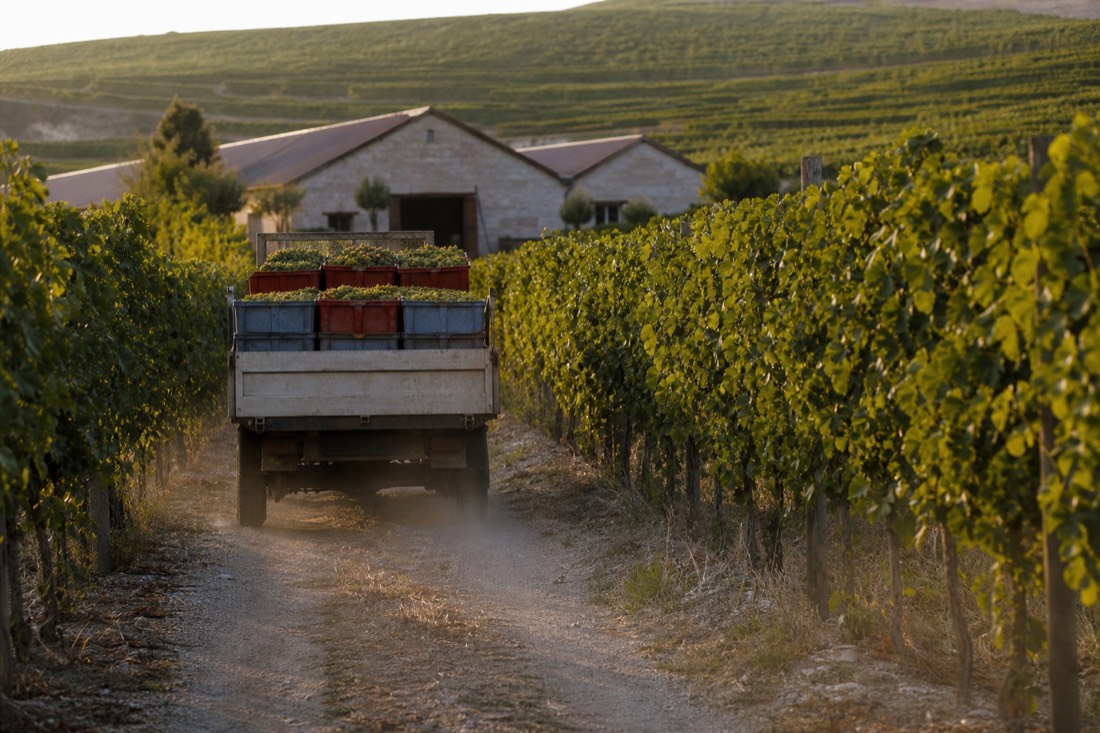
Because demand peaks exactly when supply shrinks. September brings the year's biggest wave of wine-focused visitors, while the quintas are busiest with actual winemaking, which caps how many tasting slots and tour groups they will host. Small-group tours with fixed vehicle capacity feel the squeeze first.
The arithmetic is simple on something like the small-group Douro day tour this site features: eight seats per departure, two working wineries on the itinerary, and 4.9 across 5,378 Viator reviews pulling steady demand all year. In harvest weeks those seats go early. Since the listing allows free cancellation up to 24 hours before, the rational harvest-season move is to book your date as soon as your Porto nights are fixed and adjust later if plans shift; the operator's own terms make early booking a free option rather than a gamble.
The same squeeze applies to anything involving boats or sunset slots. The off-road wine tour with sunset picnic, a new listing without a review history yet, is built around one golden hour a day at Valença do Douro, from $163, and one-slot-per-day products are precisely the ones that vanish first in late September.
Is October too late to come?
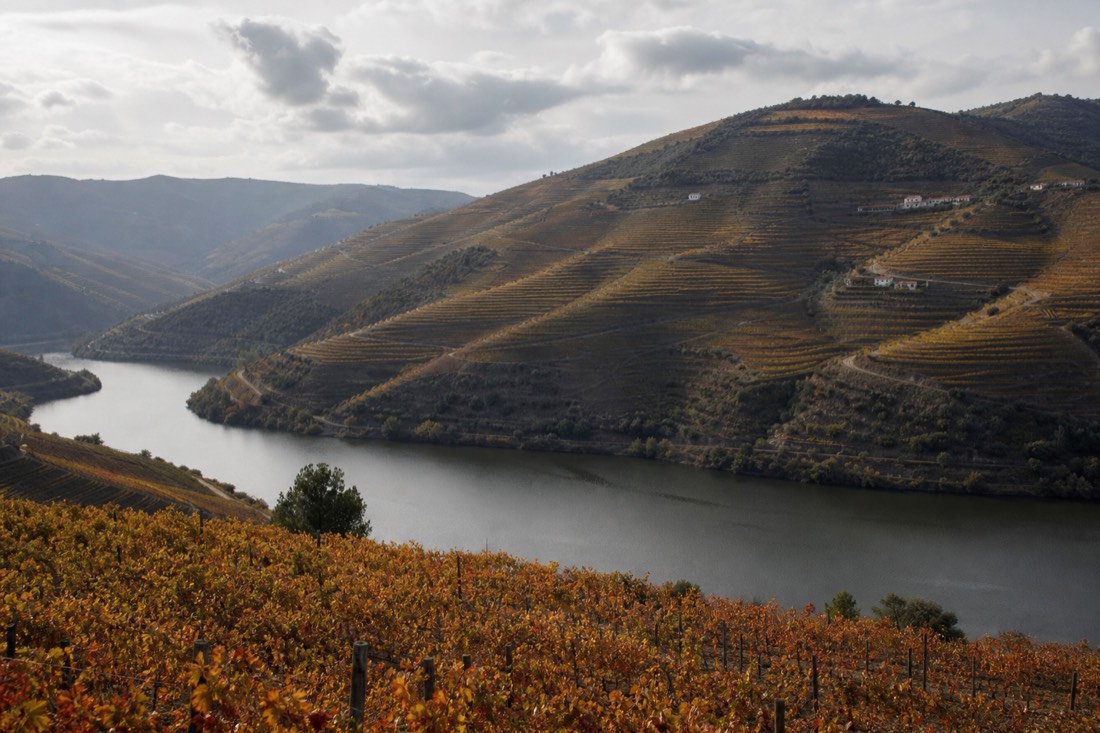
No. The first half of October often catches the tail of picking in higher vineyards, and the rest of the month is, to my eye, the most beautiful the valley ever looks: vine leaves turning gold and rust across every terrace, soft low light, warm afternoons, and a fraction of September's visitors.
Photographers already know this. The light that hammers the valley flat in August arrives at a slant in October and stays gentle most of the day, which is why the terraces photograph better in the last weeks of the season than at its peak. If pictures matter to you, pair an October date with the terraces above Pinhão and the miradouros I walk through in Douro Valley viewpoints and photo spots.
What October costs you is participation: by the middle of the month the lagares are sealed and the harvest programs are gone until next year. What it gives you back is the valley to yourself, wineries with time to talk, and fermentation actually audible in some cellars. Different trip, not a lesser one. If you can only come once, come for the vindima. If you can choose your once more freely, I would quietly point you at the second week of October and let everyone else fight over September.