Douro Valley: Take a Tour or Drive Yourself?
Every Reddit thread about driving to the Douro carries the same warning: the roads are narrow and winding, and every stop pours wine. Here is the honest version of that answer.
 Written with Niko Stavros, Douro Valley wine tourism specialist
Short answer
Take a tour if your day is built around tastings. Portugal's drink-drive limit is 0.5 g/L, stricter than the 0.08 percent most US states use, and the riverside roads demand full attention. Drive yourself when you have a non-drinking driver, want your own schedule, or are basing in the valley for several days.
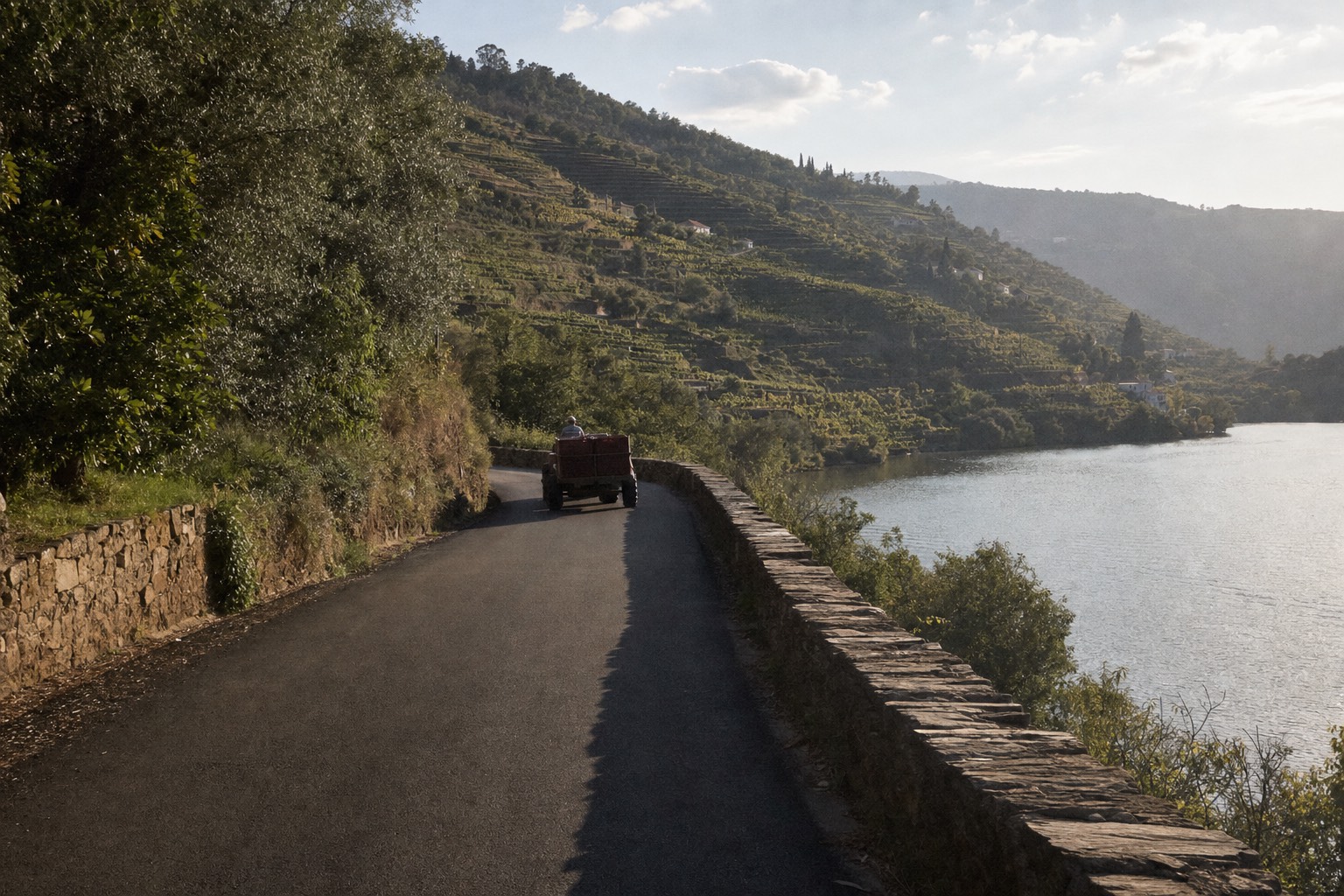
The N222 between Peso da Régua and Pinhão keeps winning "most beautiful road" lists, and it earns them. What the lists skip is that the same road is two lanes of blind corners cut into a hillside, with tour vans, tractors and cyclists sharing it. I have lived and worked in this valley since 2022, and the question I get most from visitors planning their trip is not about wine at all. It is whether they should rent a car. The answer depends on one thing: how much tasting you plan to do between breakfast and dinner.
Can you actually drive yourself to the Douro Valley?
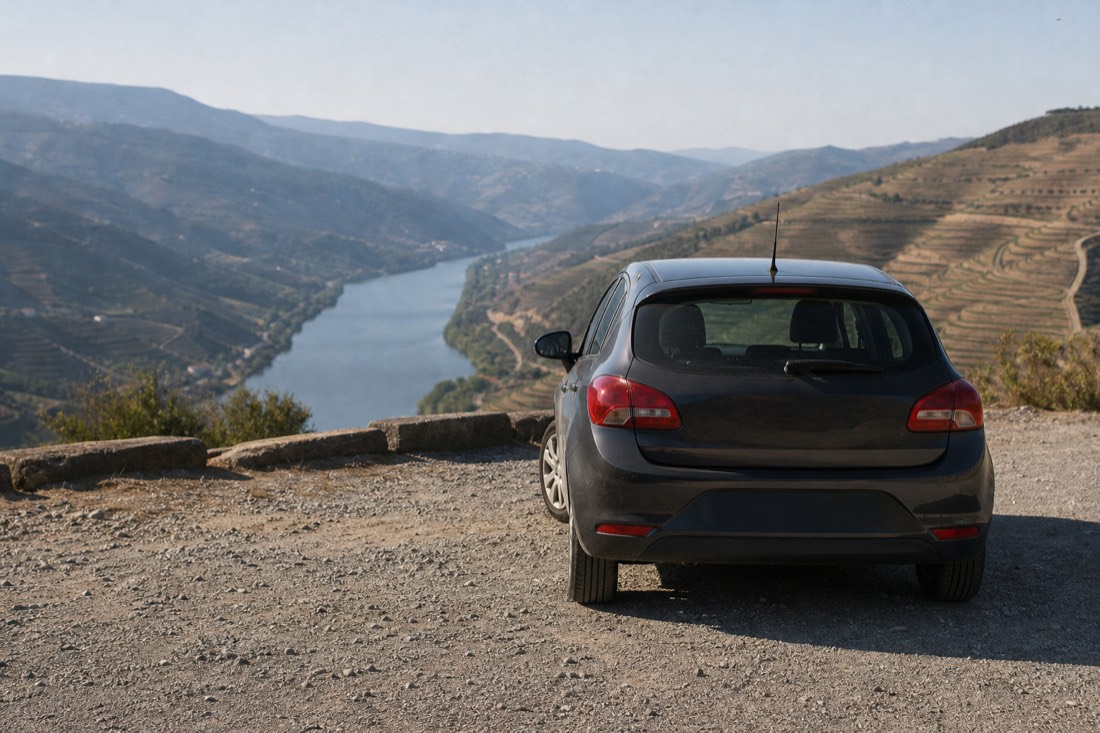
Yes, and thousands of people do it every year. The A4 motorway gets you from Porto to the valley in around 90 minutes, the scenery is spectacular, and quintas have parking. The catch is not the driving itself. It is combining that driving with a day whose entire point is tasting Port and Douro wines.
The roads deserve respect rather than fear. The motorway stretch is easy. It is the last part that changes character: once you drop toward the river, you are on switchbacks with low stone walls, no shoulder, and locals who know every corner far better than you do. Add harvest traffic in September and October, when trucks haul grapes between vineyards, and the drive asks for a clear head and both hands.
That is exactly what a tasting day takes away from you. A standard quinta visit pours three to five wines, some of them Ports at 19 to 20 percent alcohol. Visit two quintas, as most itineraries do, and the driver either spits everything or drinks well past the point where Portuguese law allows them behind the wheel.
What does Portugal's drink-driving limit mean for a tasting day?
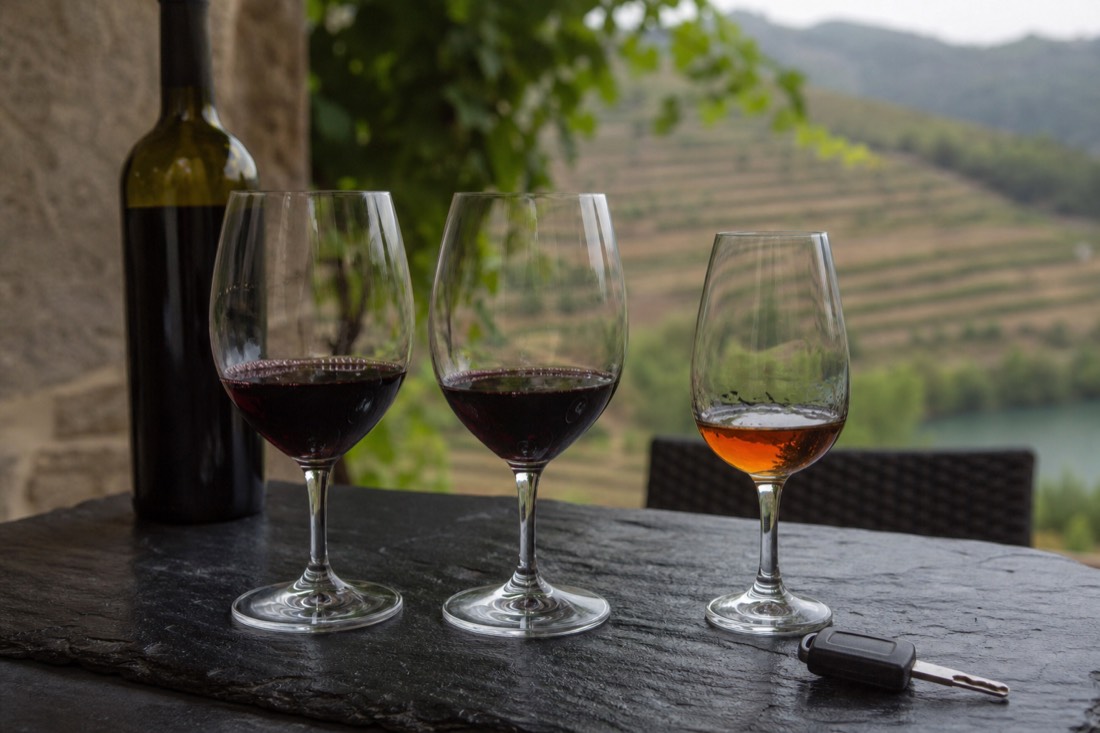
Portugal's legal blood-alcohol limit is 0.5 grams per litre for standard drivers, and 0.2 for new and professional drivers. That is stricter than the 0.08 percent (0.8 g/L) limit most US states use, so a tasting pace that feels legal at home can already be an offence here.
I will not pretend to tell you how many glasses put you over, because body weight, food and timing all move the number. The honest framing is simpler: 0.5 g/L leaves almost no margin, and fines start in the hundreds of euros with driving bans attached. Guides here watch visitors do the sad arithmetic at the second quinta of the day, swirling and spitting wines they paid to taste.
There is a quieter cost too. The N222 viewpoints are the reason people come, and the driver sees them in half-second glances. Passengers photograph the terraces. Drivers watch the wall.
What does a tour give you that a rental car cannot?
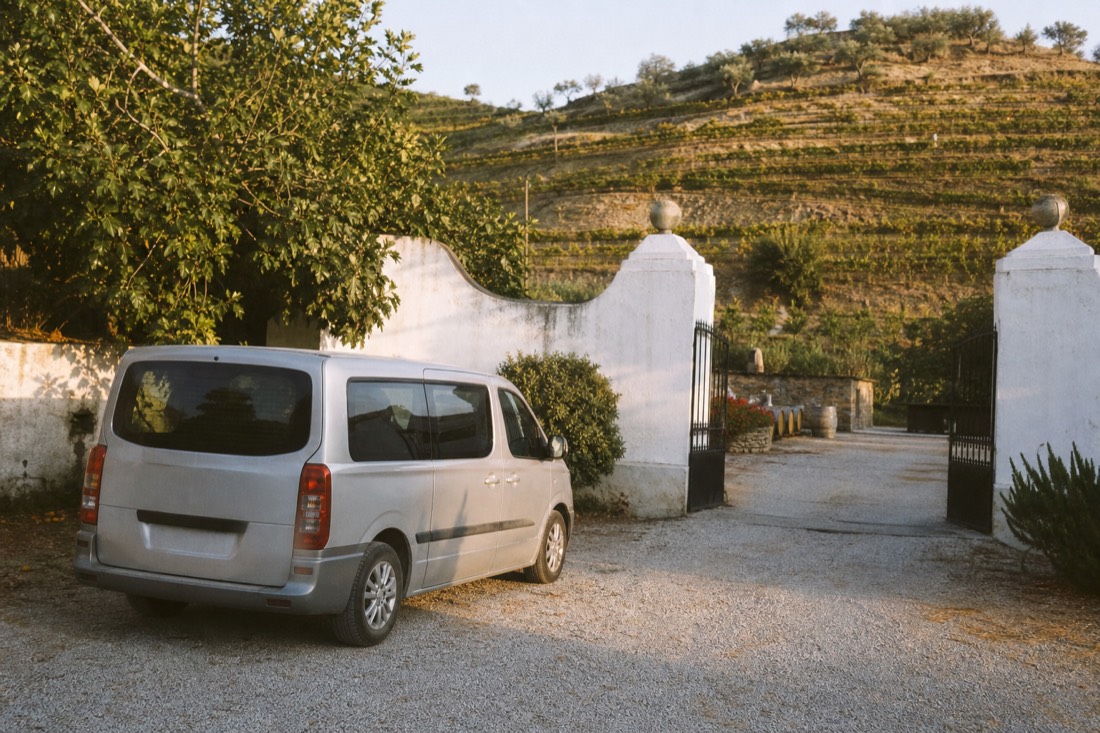
Freedom to actually drink, first of all, plus a local who handles the corners, the parking and the quinta bookings. A good small-group day also solves the planning problem: wineries here run on appointments, and a tour arrives with every door already open.
The quinta appointment point surprises people. Many estates receive visitors by reservation, especially in high season, so a self-drive day needs advance emails and a schedule you then have to hit on unfamiliar roads. On a tour that logistics layer disappears. The small-group day tour this site features caps the van at eight people, visits two family quintas with lunch and a 50-minute rabelo cruise, and holds 4.9 across 5,378 Viator reviews with 98 percent of travelers recommending it. Nobody in that van is spitting the vintage Port.
Cost is the fair counterargument. A rental car for a day can undercut two tour seats. But price the full self-drive day honestly: rental, fuel, tolls, paid tastings that tours bundle in, lunch, and one person's tasting fees largely wasted on spitting. The gap narrows fast. My longer breakdown of what the guided options cost sits in how much a Douro Valley wine tour costs.
When does driving yourself actually win?
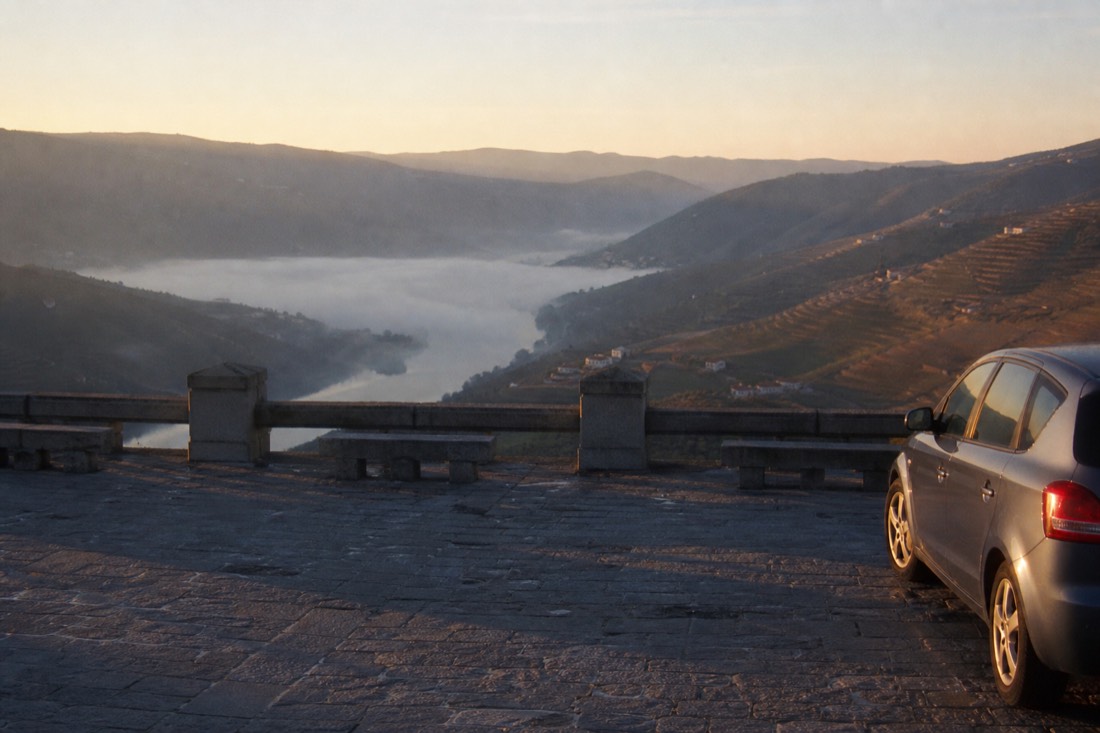
Four honest cases: you have a driver who genuinely does not drink, you want dawn viewpoints and your own schedule, you are staying in the valley for several days, or you are a photographer chasing light no group itinerary will wait for. In those cases a car beats any tour.
I would rather send you off with a rental than pretend the tour always wins. If one of you does not drink wine, the whole drink-drive problem evaporates and you gain total control of the day. Stop at Casal de Loivos at sunrise. Linger two hours at a quinta you love. Skip the one that bores you.
Multi-day valley stays tilt the same way. A car earns its keep when you are sleeping among the vineyards and making short hops between estates rather than one long Porto round trip. Even then you can outsource the wine-heavy day: the off-road sunset picnic tour picks up from twelve valley locations including Quinta da Pacheca and Régua, runs 4x4s through vineyard tracks no rental agreement would forgive, and finishes with a sunset picnic from $163. It is a new listing with no reviews yet, which the operator's page states plainly, and it exists precisely for people already based in the valley.
Is the train a middle path?
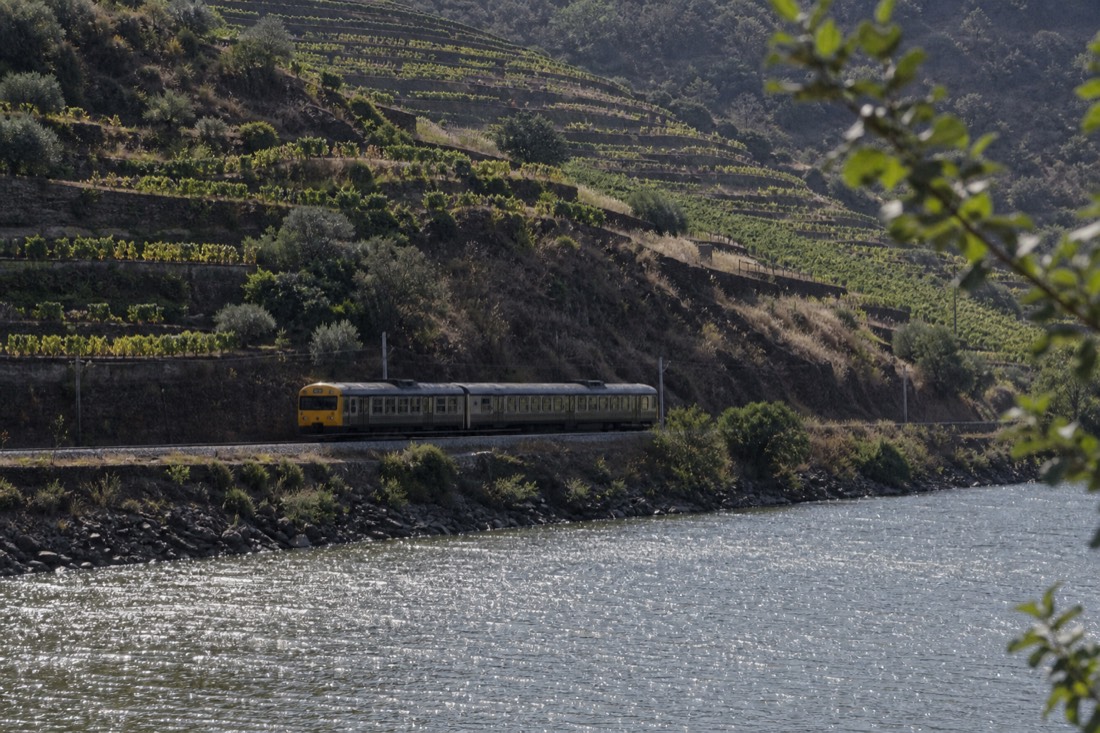
Partly. The Linha do Douro from Porto Campanhã to Pinhão takes about two and a quarter hours, hugs the river for the final stretch, and lets everyone taste freely. What it cannot do is move you between quintas once you arrive, so plan on walking, taxis or a tuk-tuk from Pinhão station.
The train is the budget answer and a gorgeous ride in its own right. Its weakness is the last mile. Quintas scatter across hillsides, and only a couple sit within a walk of Pinhão station, so train visitors usually see one estate plus a river cruise rather than a full circuit. I cover timetables, which side to sit on and the station-to-quinta logistics in Porto to the Douro Valley by train, and the broader transport comparison in Porto to Douro Valley: every way to get there.
| Your situation | Verdict |
|---|---|
| Both of you want to taste everything | Tour. The drink-drive limit decides this one for you. |
| One of you does not drink | Self-drive. Full freedom, no legal problem, best-value option. |
| Day trip from Porto, first visit | Tour. One long driving day plus tastings is the worst self-drive combination. |
| Three or more nights in the valley | Rent the car, and book a tour for the heaviest tasting day. |
| Tight budget, flexible expectations | Train to Pinhão, one quinta on foot, cruise from the pier. |
Common questions about touring versus driving the Douro
Is driving in the Douro Valley scary?
The motorway from Porto is easy. The riverside roads are narrow with blind corners and low walls, more demanding than scary in dry daylight. They get harder in rain, at dusk and during harvest traffic in September and October. Confident drivers manage fine; nervous drivers do not enjoy them.
What is the alcohol limit for driving in Portugal?
0.5 grams per litre of blood for standard drivers, and 0.2 g/L for drivers licensed under three years and professional drivers. Both are stricter than the 0.08 percent used in most US states, and penalties start with fines of several hundred euros and driving bans.
Can you visit Douro quintas without a car or tour?
Yes, by train to Pinhão or Régua. A couple of estates and the river piers are walkable from Pinhão station, and taxis or tuk-tuks cover the rest. Expect to see one or two places rather than a full day's circuit, and check quinta visiting hours in advance.
Do Douro wine tours let you drink freely?
That is the core of what you are buying. On the featured small-group day, the operator handles all driving between two quintas, lunch and the Pinhão river cruise, so every guest can taste every pour. The listing holds 4.9 across 5,378 Viator reviews.