Porto to Douro Valley: Every Way to Get There Compared
Car, train, bus or guided tour: the honest comparison from someone who makes this trip in both directions every week.
 Written with Niko Stavros, Douro Valley wine tourism specialist
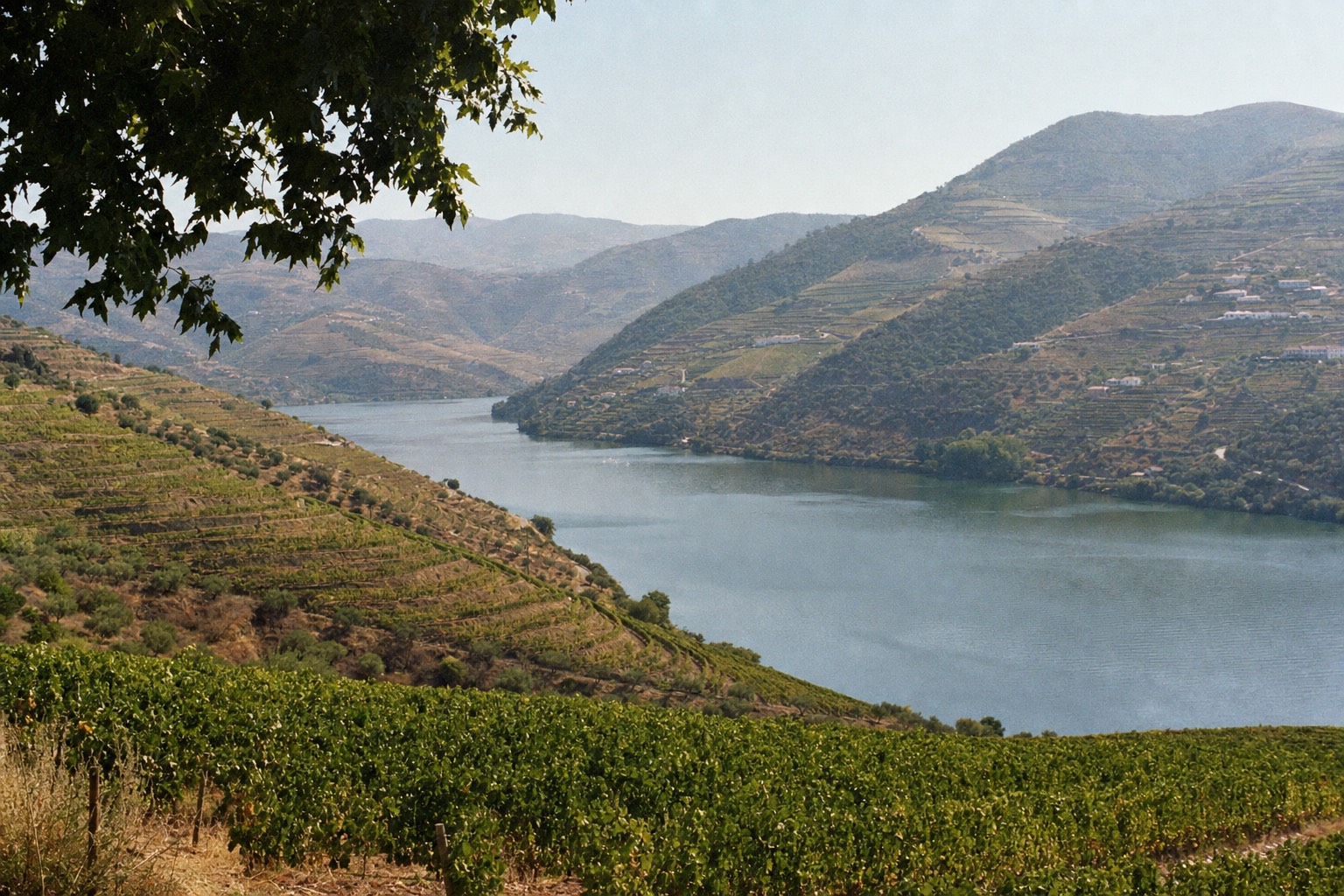
Short answer
You have four options: drive in roughly 90 minutes via the A4 motorway, take the scenic Linha do Douro train from Porto Campanhã to Pinhão in about 2 hours 20 minutes for €12.20 each way, ride an intercity bus to Peso da Régua, or book a tour with Porto pickup. For a wine-tasting day, the tour wins on logistics, since nobody has to drive back under Portugal's 0.5 g/l alcohol limit.
Porto and the wine country it made famous are further apart than most visitors expect. The city sits on the Atlantic; the vineyards begin beyond the Marão mountains, a solid morning's travel upriver. I make this trip in one direction or the other most weeks of the year, and I have arrived by van, by train, by bus, and once, memorably slowly, by boat. Here is all of it, with real numbers, so you can pick the one that fits your day.
How do you get from Porto to the Douro Valley?
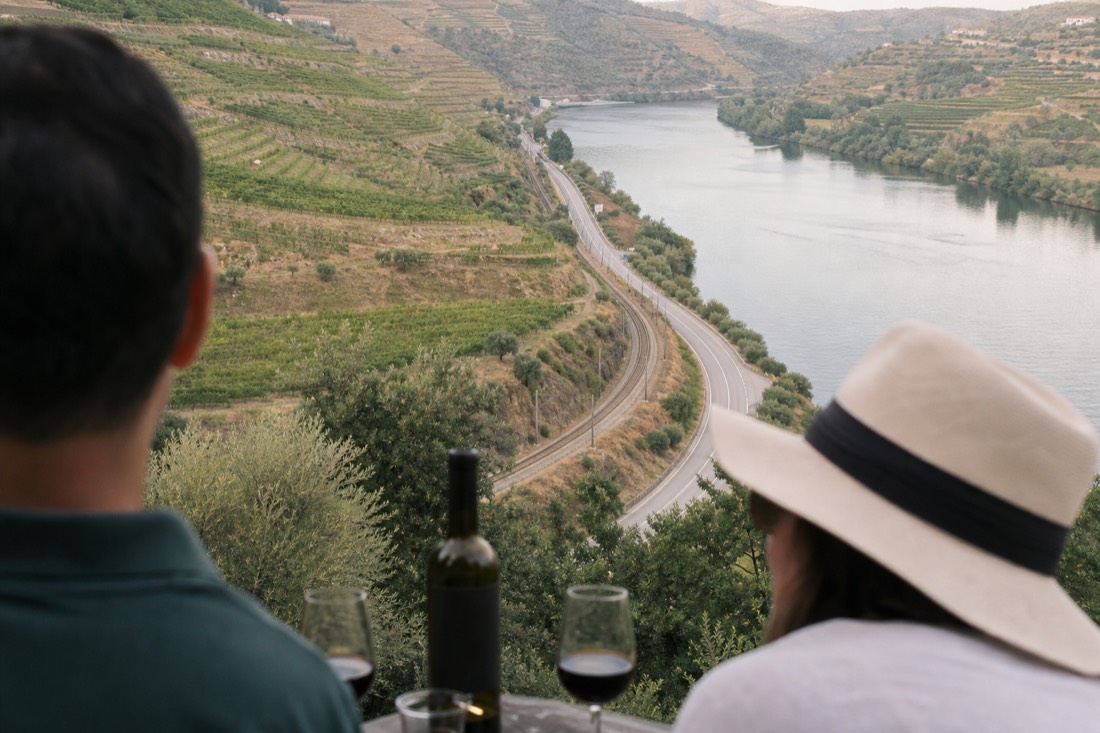
Four ways: rent a car and drive the A4 motorway to Peso da Régua in roughly 70 to 90 minutes; take the Linha do Douro train from Porto Campanhã to Régua or Pinhão; catch an intercity bus to Régua in as little as about 1 hour 35 minutes; or book a guided tour that handles pickup, driving and tastings in one ticket.
| Option | Time from Porto | Typical cost | Best for | The catch |
|---|---|---|---|---|
| Car (A4, then A24 or N222) | Roughly 70 to 90 min to Régua | Rental, fuel and motorway tolls | Viewpoints, quintas off the rail line | The driver cannot taste; 0.5 g/l limit |
| Train (Linha do Douro) | About 2 h 20 min to Pinhão | €12.20 each way | Scenery, budget, no-car travellers | Stations, not vineyards; quintas need onward transport |
| Bus | From about 1 h 35 min to Régua | Around $10, often less booked ahead | Cheap, frequent departures | Motorway views, arrives at Régua only |
| Guided tour | About 1 h 45 min each way by van | Full-day group tours mostly list $70 to $110 | Wine-tasting days | Fixed group schedule |
One geographic note: "the Douro Valley" for wine purposes starts around Peso da Régua and runs upriver past Pinhão. Régua is the transport hub. Pinhão is the postcard. The famous quintas scatter across the slopes between and beyond, which is exactly why how you arrive shapes what you can actually do.
What is the best way to get from Porto to the Douro Valley?
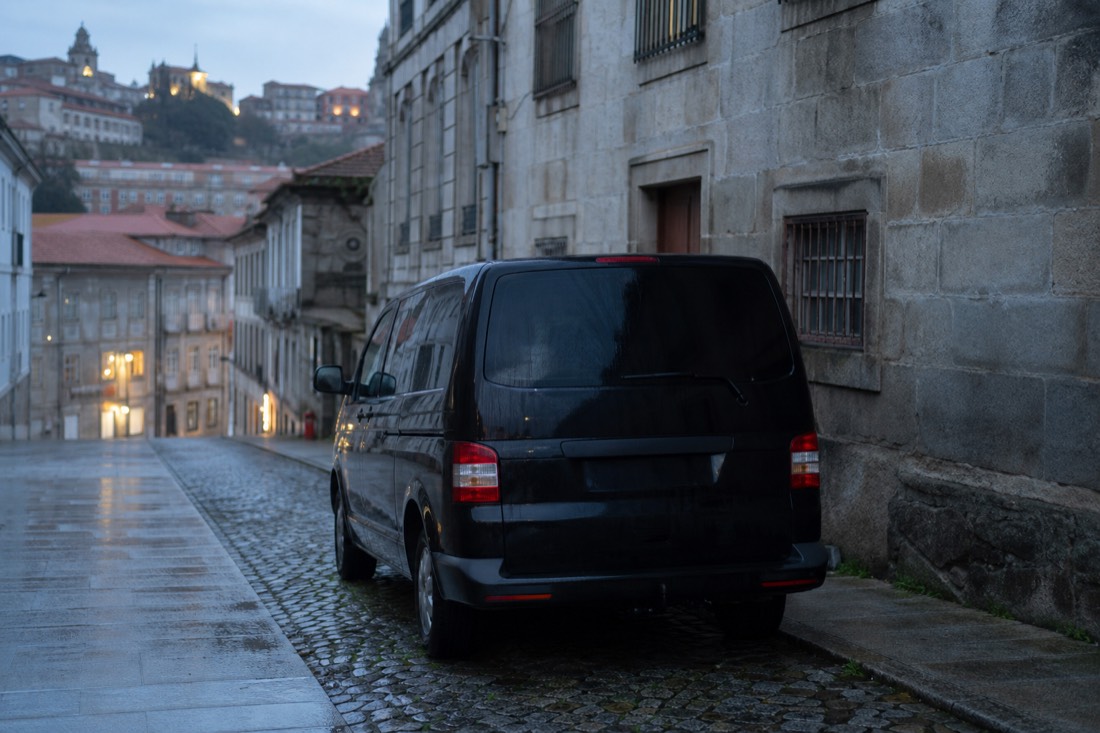
Depends on the goal. For a wine-tasting day, a guided tour is the honest winner: it solves driving, tasting and lunch in one booking. For scenery on a budget, the train is unbeatable. For freedom to chase viewpoints, a car wins, as long as one of you stays dry all day.
The reason I keep steering tasting-focused travellers toward a tour is arithmetic, not commission. Quinta tastings sit in the hills, tastings involve alcohol, and Portugal's legal driving limit is 0.5 grams per litre, roughly one glass for many adults. A tour deletes that whole problem. The small-group day tour this site features picks up at central Porto hotels around 7:50, runs two quinta tastings, lunch and a 50-minute rabelo cruise, and holds 4.9 across 5,378 Viator reviews. Prefer arriving by water rather than road for part of the day? The Douro and Amarante tour, from $107, folds a private-clients boat cruise with tapas brunch into the same out-and-back.
If the landscape matters more than the tastings, the full Porto to Douro Valley by train guide makes the rail case.
How long is the train ride from Porto to the Douro Valley?
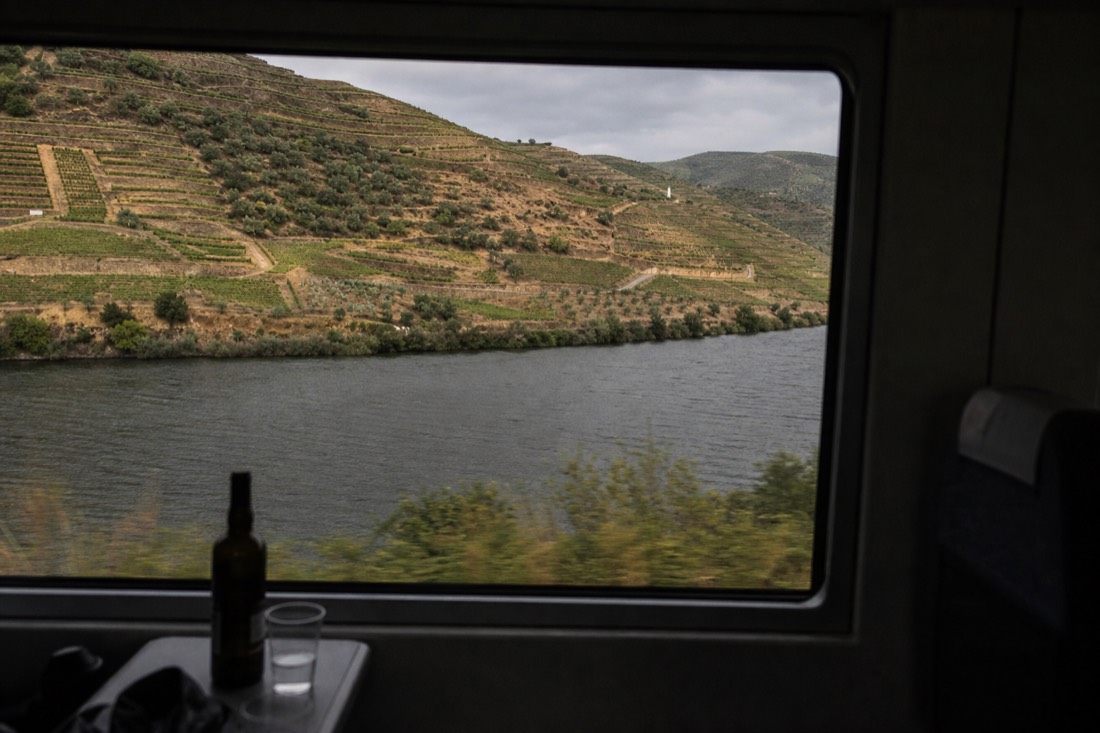
About 2 hours 20 minutes from Porto Campanhã to Pinhão on the faster InterRegional service, and around 2 hours to Peso da Régua. Tickets cost €12.20 each way to Pinhão, there are typically 5 or 6 trains a day, and no seat reservations exist, so nothing sells out.
The number that matters more than the duration is 1 hour 15 minutes. That is roughly when the line meets the Douro near Mosteirô and stops being ordinary; from there to Pinhão the track runs beside the water through the terraces. Regional services make more stops and take longer than the InterRegional trains, so check the timetable on CP, the national rail operator, when planning, and sit on the right-hand side heading upriver.
The train's honest limitation is the last mile. You step off at a river-town station with the quintas above you, dispersed and mostly uphill, and taxi coverage in Pinhão is thin. Plans that work: book a tasting within walking distance of Pinhão station, or ride to Régua and join a valley-based experience from there.
Is driving from Porto to the Douro Valley a good idea?
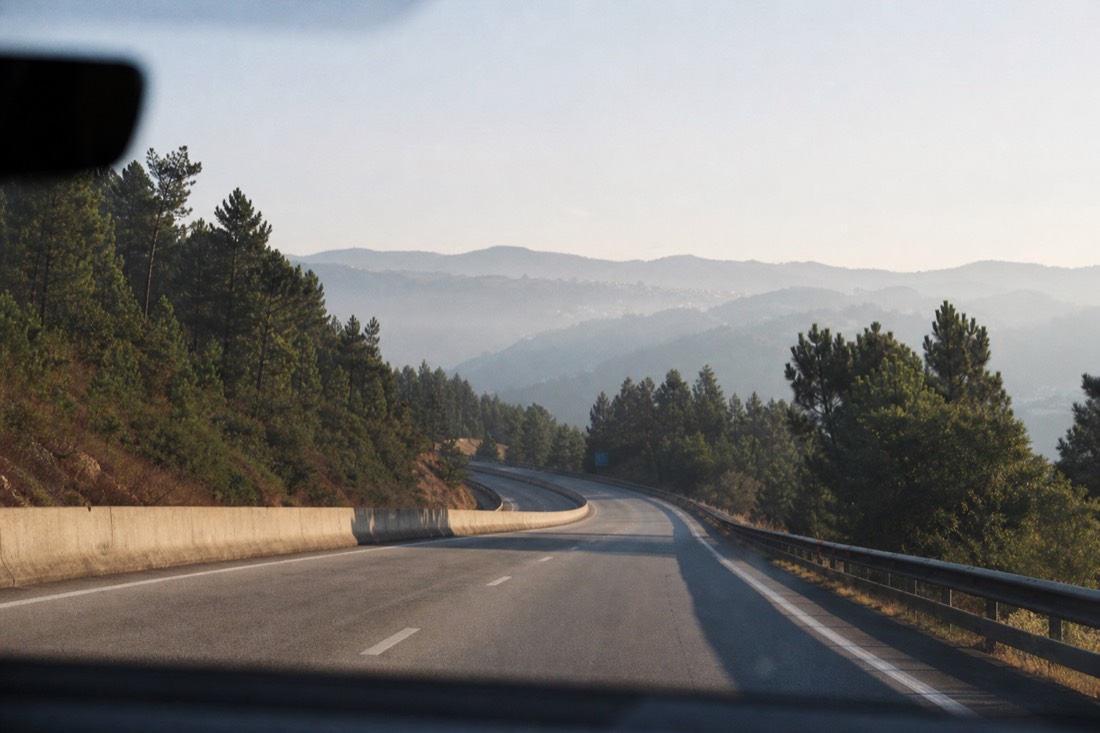
For sightseeing, yes: the A4 motorway reaches the valley in roughly 70 to 90 minutes, about 110 km to Peso da Régua, and a car is the only way to string viewpoints together on your own clock. For a tasting day, no, unless someone volunteers to skip every pour.
The drive itself splits into two characters. The A4 is fast, tolled and forgettable, tunneling through the Marão. Then you drop into the valley and everything changes: the N222 between Régua and Pinhão hugs the river through the terraces, and you will want to build in stops.
Say it plainly one more time: 0.5 grams per litre is the limit, 0.2 for drivers licensed under three years, and quinta pours are generous. A car plus real tastings needs a dedicated non-tasting driver. If nobody wants that job, the comparison in Douro Valley tour or drive yourself goes deeper.
Is a day trip from Porto to the Douro Valley worth it?
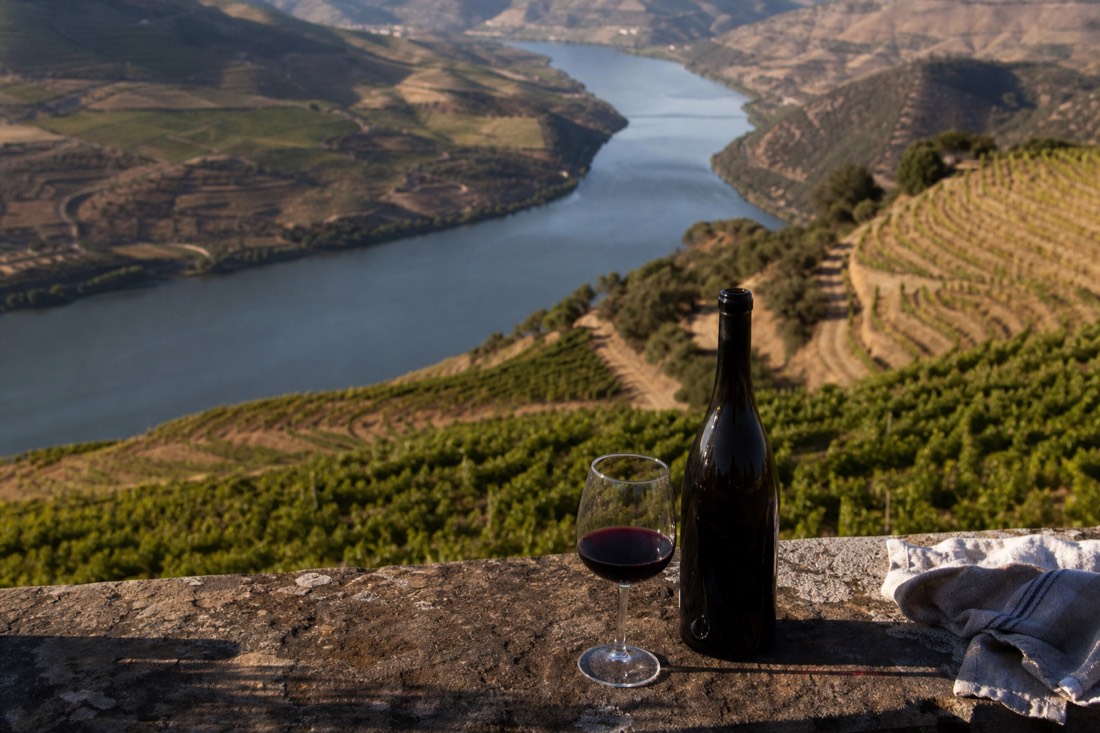
Yes, and thousands of people prove it daily. A day trip buys you the terraces, a tasting or two, lunch and usually a cruise inside about ten hours. What it costs you is depth: golden hour in the valley, slow mornings, and the quieter corners upriver stay out of reach of any same-day return.
I hold both opinions at once, honestly. As a guide I watch day-trippers leave delighted. As a resident I know the valley saves its best hour for after the vans leave, when the light goes long and the river turns to copper. If your Portugal trip allows one Douro day, take the day trip without guilt. If it allows two, sleep here; the stay in Porto or the Douro Valley guide weighs the tradeoff properly, and valley-based travellers can use experiences with local pickup, like the sunset picnic tour featured here, from $163.
How long do you need in the Douro Valley?
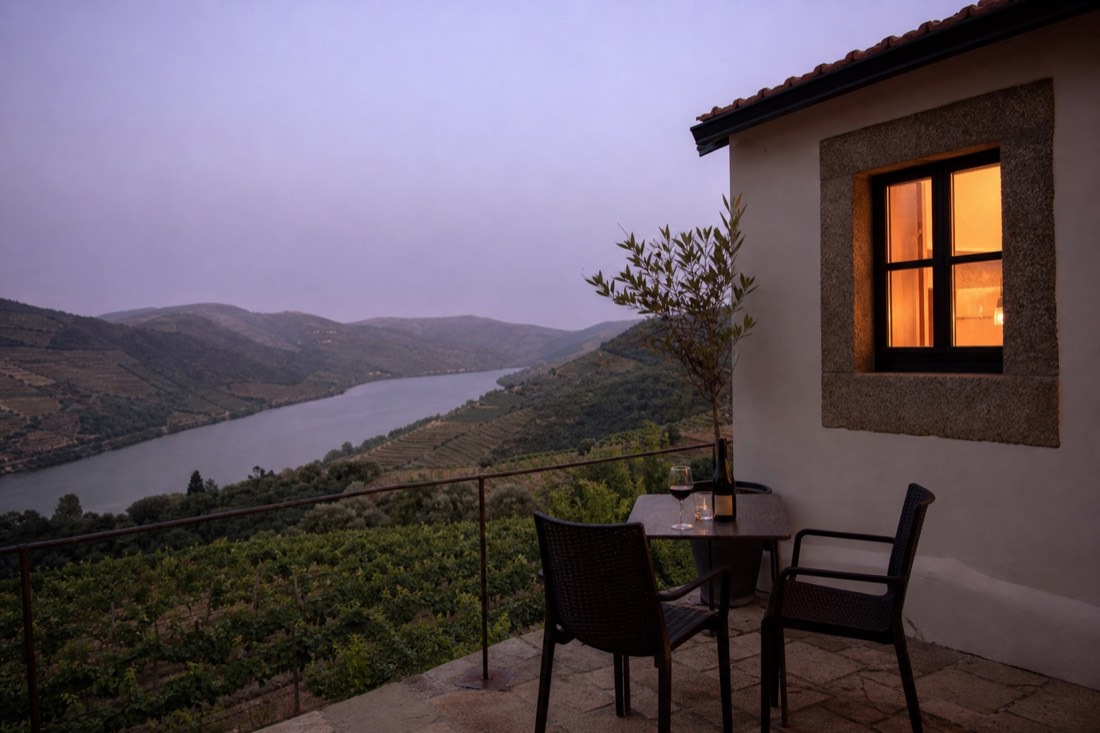
One full day covers the essentials: a couple of tastings, lunch, a cruise or the N222. Two days and a night add sunset, sunrise and unhurried quinta visits, which is the version I recommend to anyone who came to Portugal partly for wine.
The one-day version is well solved by the tours already discussed. The two-day version usually looks like this: train or car up on day one, afternoon tasting, a night at a quinta or in Pinhão, then a boat or 4x4 experience and a slow return. Time it against the calendar too; September and October bring the vindima harvest, the valley's most alive weeks, covered in the harvest season post.
Common questions about getting from Porto to the Douro Valley
Is it worth going to the Douro Valley from Porto?
Yes. It is a different world from the city: a UNESCO-listed river landscape of terraced vineyards about 90 minutes away by road. The full pros and cons are in the worth-it guide on this site.
Should you stay in Porto or the Douro Valley?
Porto suits short trips: flights, restaurants and day tours all concentrate there. The valley suits wine-first travellers with at least one spare night, because evenings and mornings among the vines are what day trips cannot buy.
What is the nicest town in the Douro Valley?
Pinhão is the classic answer and mine too for a first visit: small, river-wrapped, ringed by the steepest terraces, with a train station tiled in azulejos. Peso da Régua is the practical hub with more services, and Amarante, on the way rather than in the valley proper, is the romantic detour.
Can you take a bus from Porto to the Douro Valley?
Yes, intercity buses run from Porto to Peso da Régua, the fastest in about 1 hour 35 minutes with tickets around $10 or less booked ahead. The ride uses the motorway, though, so you trade away the river views.
How far is the Douro wine valley from Porto?
About 110 km by road from Porto to Peso da Régua, where the wine country begins, roughly 70 to 90 minutes on the A4 and A24 motorways. Pinhão lies further upriver along the N222. By rail it is about 2 hours to Régua and 2 hours 20 minutes to Pinhão.