Porto to Douro Valley by Train: The Linha do Douro, Honestly
Portugal's most beautiful railway costs less than a tasting. Here is how it works, and when it is the wrong tool for a wine day.
 Written with Niko Stavros, Douro Valley wine tourism specialist
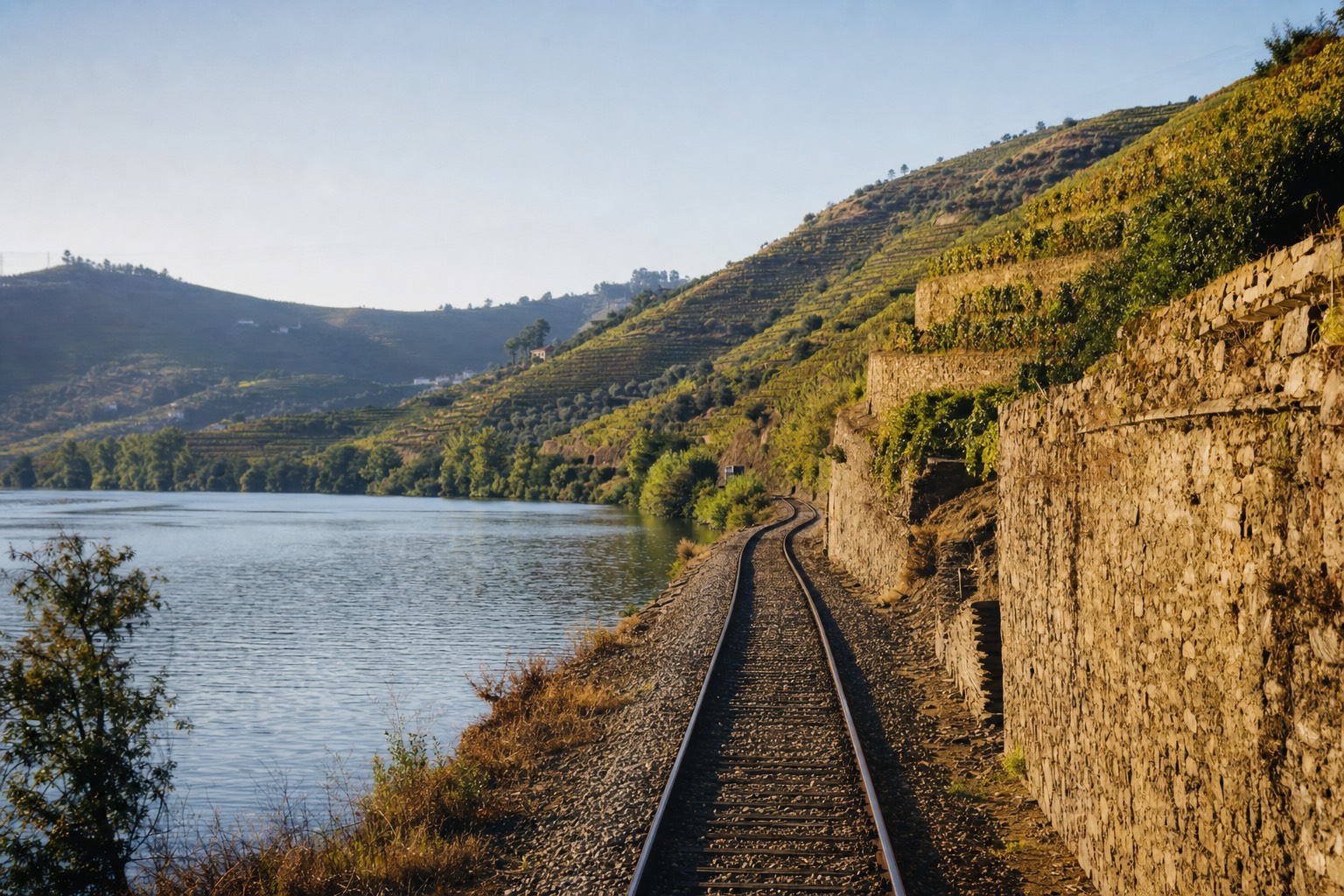
Short answer
Trains run from Porto Campanhã up the Linha do Douro to Peso da Régua in about 2 hours and Pinhão in about 2 hours 20 minutes on the faster InterRegional services, for €12.20 each way to Pinhão. There are usually 5 or 6 trains a day and no reservations, so tickets cannot sell out. The ride is spectacular from about 75 minutes in, when the track meets the river. Take it for scenery and budget; take a tour when tastings are the point, because quintas sit beyond walking range of the stations.
There is a moment about 75 minutes out of Porto when the Linha do Douro stops being a commuter line. The track swings in beside the river near Mosteirô and suddenly the water is right there, green-brown and patient, with terraces stacked above it like seating in an amphitheatre. I have watched an entire carriage lift their phones at once at that curve. I still look up from my book for it, every single time, and I have ridden this line more times than I can honestly count since moving to the valley in 2022.
How does the train from Porto to the Douro Valley work?
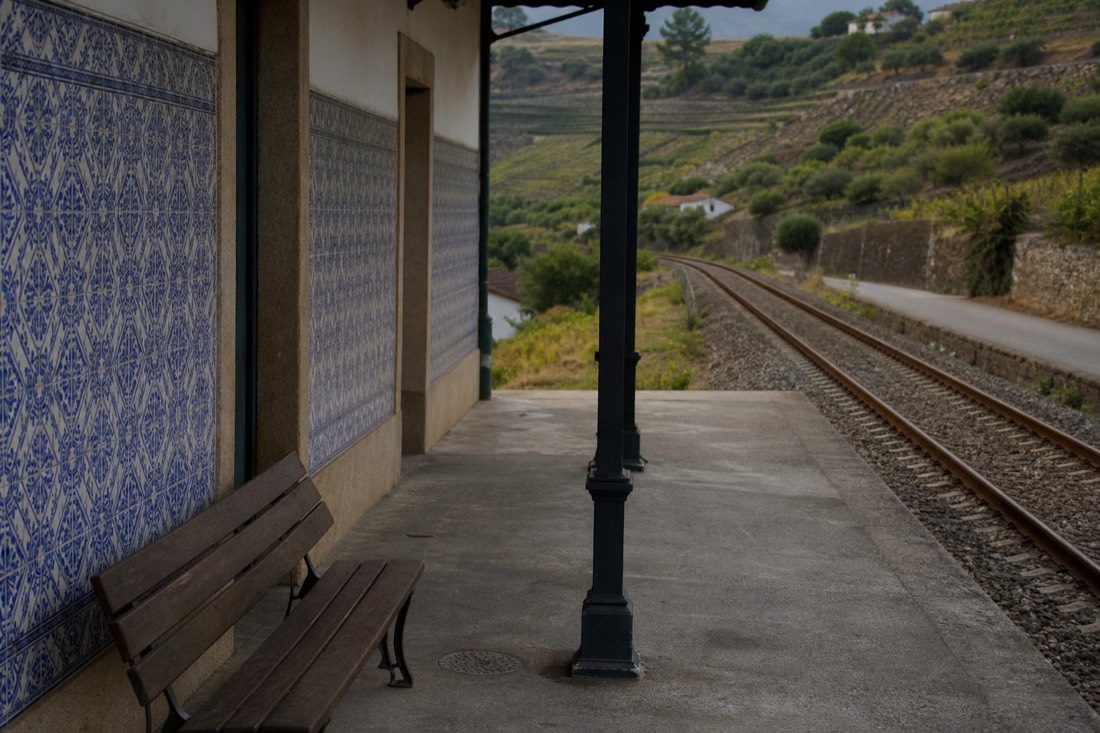
Trains leave from Porto Campanhã station and run up the Linha do Douro through Peso da Régua and Pinhão toward Pocinho. Pinhão costs €12.20 each way, Pocinho €14.80, with a 10% discount on round trips. Typically 5 or 6 trains a day serve the upper valley, there are no seat reservations, and you can buy at the station on the day.
The no-reservations detail is the practical gift here. Nothing sells out, no app panic, no dynamic pricing. Tours run on the opposite arithmetic: the small-group day tour from Porto carries a maximum of eight guests per departure, so harvest-season dates go early, while the train will always have a seat for you at the machine. Buy at a Campanhã machine, on CP's official site, or from the ticket office, and board. Two service types share the line: faster InterRegional trains that stop only at the key stations, and slower Regional services that pause everywhere. For Régua and Pinhão, the InterRegional is the one you want.
Know your stations before you board. Régua, about 2 hours out, is the working hub of the wine region with the most onward options. Pinhão, twenty minutes further, is the beauty: a tiny town wrapped in the steepest terraces, with a station famously tiled in azulejo panels of the harvest. Pocinho, the end of the line at about 3 hours 25 minutes, is for completists and for reaching the far upper valley.
How long does the train take, and when does it turn scenic?
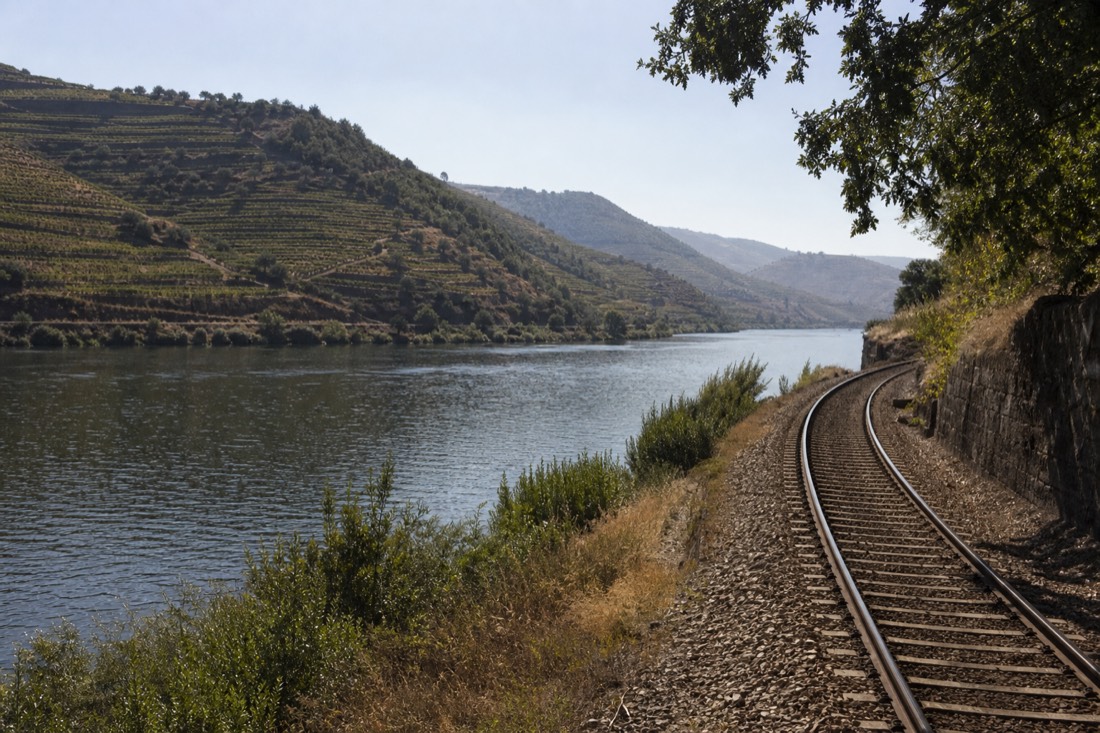
About 2 hours to Peso da Régua and 2 hours 20 minutes to Pinhão on InterRegional services. The first stretch out of Porto is unremarkable; the line joins the Douro near Mosteirô roughly 1 hour 15 minutes in, and from there to Pinhão and beyond the track runs beside the water the whole way.
Manage your expectations for the opening act and the ride gets better than anyone promises. Out of Campanhã you get suburbs, eucalyptus and small-town platforms. Perfectly pleasant, entirely skippable. Then comes the river junction, and the geometry flips: for the rest of the trip the Douro is your seatmate.
Sit on the right-hand side heading upriver. That is the river side for the best of it, and on busy summer mornings the regulars claim those windows first, which tells you everything. A detail I love telling first-timers: this line once ran all the way to Salamanca in Spain, until 1984. What survives is the most beautiful surviving stretch, and in high season CP also runs a historical steam train on the upper line if you want the full nineteenth-century version.
Is the Linha do Douro really Portugal's most beautiful train ride?
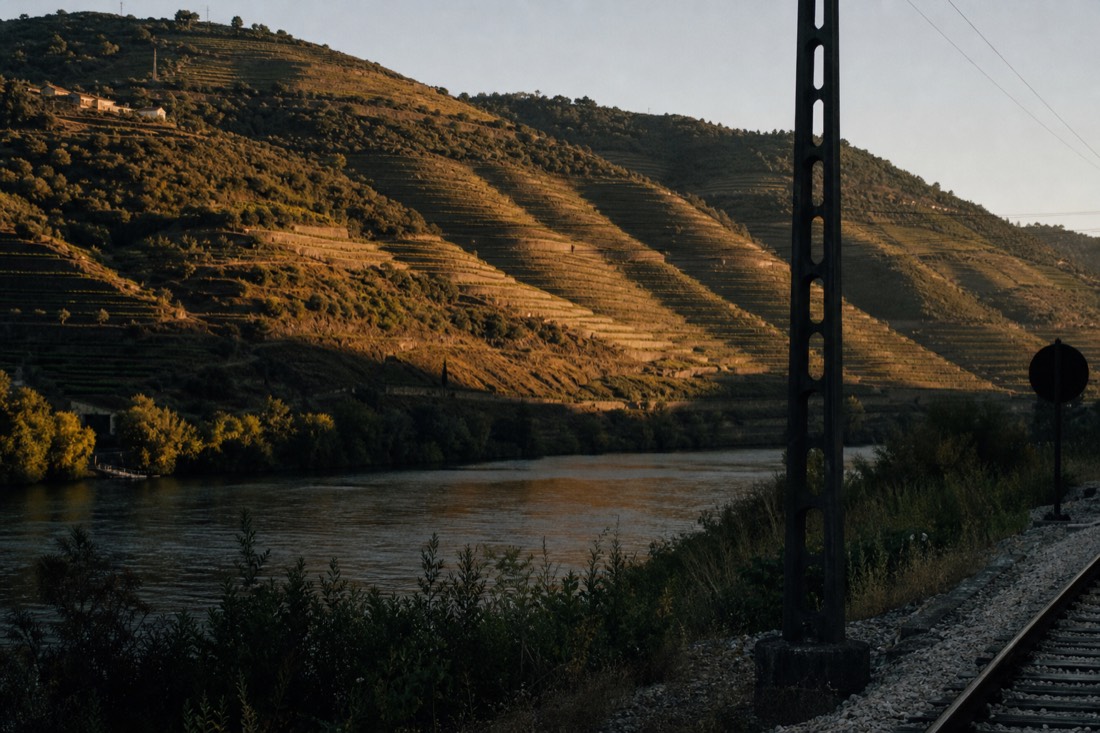
I think so, and I say that as someone paid to show people the valley by road. No other Portuguese line spends this long pressed against a UNESCO World Heritage landscape at water level. The N222 road sees the terraces from above; the train sees them the way the rabelo boatmen did, from beside the river.
The case is simple: duration of beauty. Plenty of rides have a great five minutes. This one gives you the better part of an hour beside the water before Pinhão, and it keeps going upriver after most tourists get off, arguably getting wilder. For €12.20, the value per scenic minute is absurd. It embarrasses things I have paid ten times more for.
My honest caveats, so this stays a report and not a brochure. The rolling stock is functional rather than romantic; some diesel units have sealed windows, so photographers should favor the older InterRegional carriages when they appear. Summer carriages fill with day-trippers by mid-morning, and the earliest departures are both quieter and cooler. And rail appreciation is not wine access, which brings us to the real decision.
When does the train beat a wine tour?
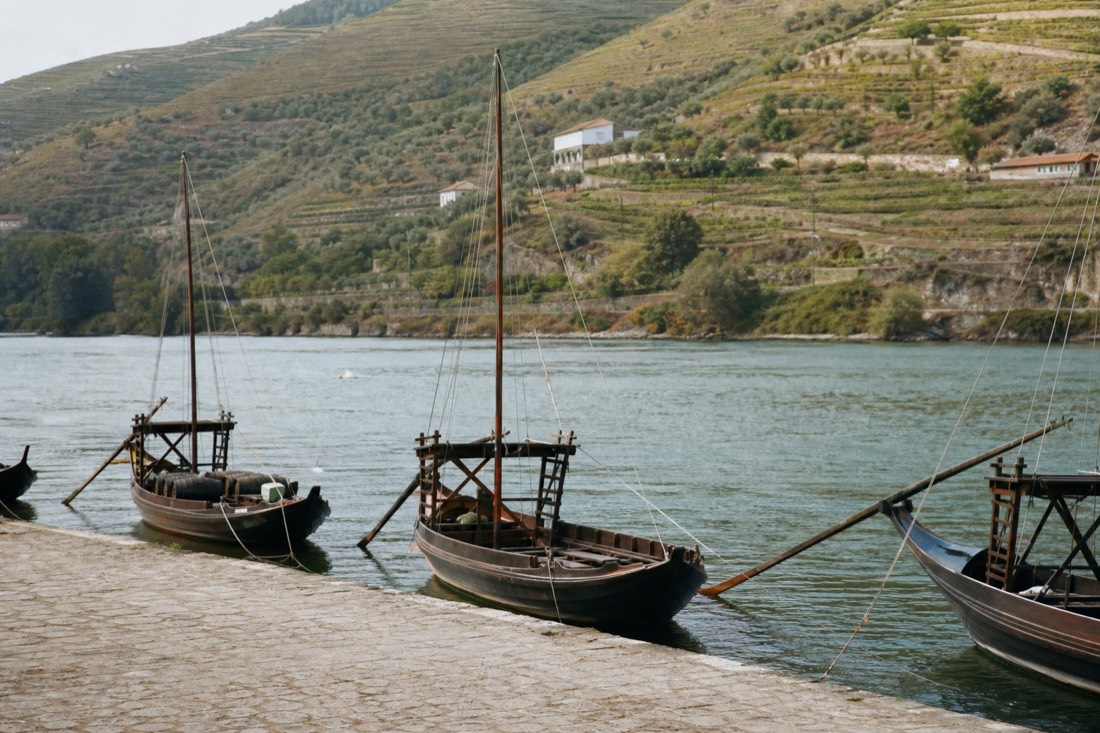
When the landscape is the goal, when the budget is tight, when you are staying overnight in the valley anyway, or when group schedules spoil travel for you. €24.40 round trip to Pinhão with total freedom is a genuinely great day out, and no tour can sell you a window seat cheaper.
| Your situation | Better tool | Why |
|---|---|---|
| Scenery first, wine optional | Train | The ride is the attraction; €12.20 each way |
| Sleeping in Pinhão or a quinta | Train | Arrive slow, join valley-based experiences locally |
| Tight budget | Train | Round trip costs less than most single tastings |
| Full tasting day from Porto | Tour | Quintas, lunch, cruise and driving all solved at once |
| One day, want the greatest hits | Tour | Two estates plus cruise beats what stations can reach |
The overnight case deserves emphasis because it is the combination I recommend most as a resident: ride up on the train, sleep among the vines, and book experiences that start inside the valley. The off-road sunset picnic tour featured on this site works exactly that way, with twelve pickup points including Régua and Quinta da Pacheca, from $163. What to do with a Pinhão arrival is mapped in the Pinhão guide, and the full transport comparison lives in Porto to the Douro Valley.
When is a tour the smarter call than the train?
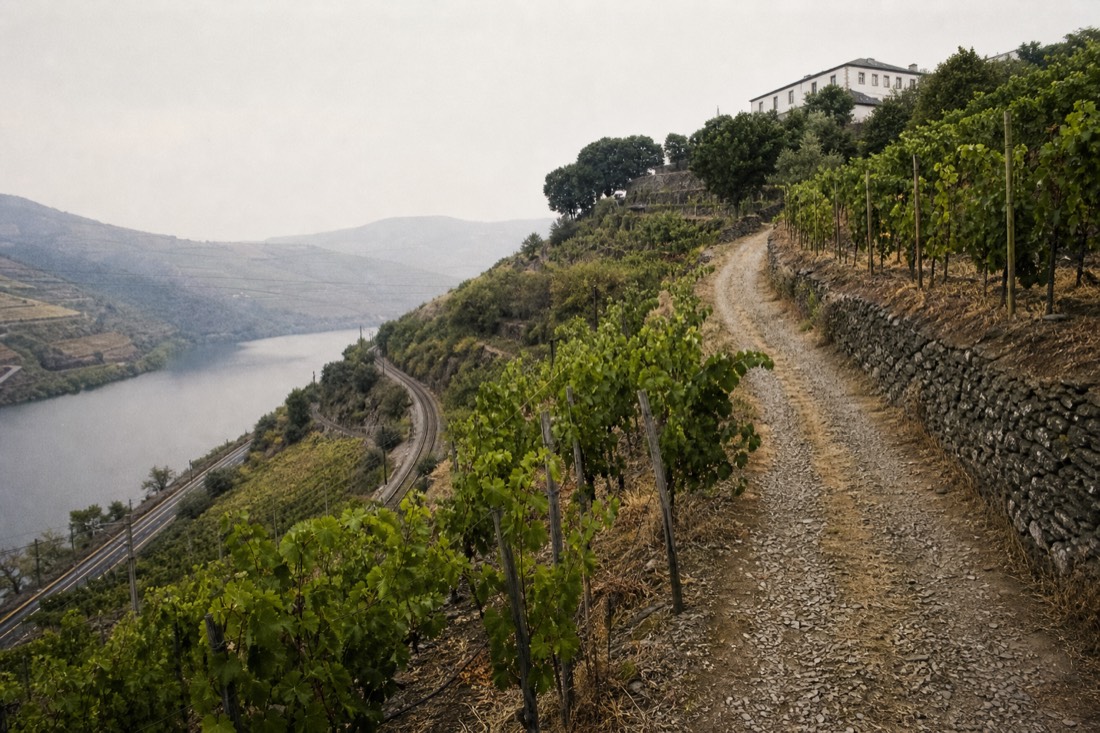
When tastings are the point. The train delivers you to stations, and the quintas sit in the hills beyond them, mostly uphill and unwalkable in summer heat, with thin taxi coverage at the other end. A tour puts the estates, the lunch and the boat inside one booking and leaves nobody counting their pours.
This is the trap I see most often on summer platforms: travellers step off at Pinhão with no bookings, expecting a tasting room on the square, and find that the estates they read about need transport and reservations. A few quintas do sit within reach of the station, and with planning a rail-plus-walking day can work. Without planning, it becomes an expensive lesson in Douro topography.
So match the tool to the day. For the full tasting circuit from Porto, the small-group day tour handles Quinta do Tedo, Quinta do Beijo, lunch and the 50-minute rabelo cruise in a van capped at eight, rated 4.9 across 5,378 Viator reviews. If your ideal day is more river than road, the Amarante wine, food and river tour, from $107 with 4.8 across 1,713 GetYourGuide reviews, serves its tapas brunch on a boat carrying only the operator's own clients. Both cancel free to 24 hours; whether either earns its price over a €12.20 window seat is argued honestly in is a Douro Valley wine tour worth it.
Common questions about the Porto to Douro Valley train
How much is the train from Porto to Pinhão?
€12.20 each way at the standard fare, with a 10% discount if you buy a round trip. The end of the line at Pocinho costs €14.80 each way. There are no reservations or seat classes to upgrade, so the printed fare is the whole price.
Do I need to book the Douro train in advance?
No. The Linha do Douro has no seat reservations, so tickets have unlimited availability and cannot sell out. Buy at a Campanhã ticket machine, at the counter, or on cp.pt the same day. The only thing early birds win is a right-hand window seat.
Which side of the train has the best views to the Douro Valley?
The right-hand side heading upriver from Porto toward Pinhão puts the Douro at your window for the long riverside stretch, and the left side on the way back. The scenery starts in earnest about 75 minutes into the trip, where the line meets the river near Mosteirô.
Can you do Douro wine tastings using only the train?
Partially. A handful of quintas sit within reach of Pinhão station on foot, and tastings there need advance booking. The famous estates in the hills need onward transport, which is thin. For a tasting-focused day, a tour with pickup covers far more; the train is better as a scenery day or an overnight approach.