Is a Douro Valley Wine Tour Worth It? An Honest Answer
A full day, a long drive, and a fair amount of money. Here is the case for and against, from someone who lives in the valley.
 Written with Niko Stavros, Douro Valley wine tourism specialist
Short answer
Yes, for most visitors: a full-day tour packs two winery tastings, lunch, a river cruise and the N222 scenery into one day without anyone having to drive after tasting Port, and the flagship tour here holds 4.9 across 5,378 Viator reviews. It is not worth it if you hate long guided days, since 9 to 10 hours with roughly 1 hour 45 minutes of driving each way is the honest shape of it, or if you are already sleeping in the valley with tastings booked.
Every week someone at a tasting table asks me, half apologetic, whether they overpaid for the day. It usually comes right after the second pour, when the terraces are doing their thing in the afternoon light and the question already feels answered. I have guided wine travellers in this valley since 2022, over a thousand of them by my own count, so I have seen the delighted majority and the honestly disappointed few. Both groups are predictable. This guide is for figuring out which one you would be in before money changes hands.
Is a Douro Valley wine tour worth it?
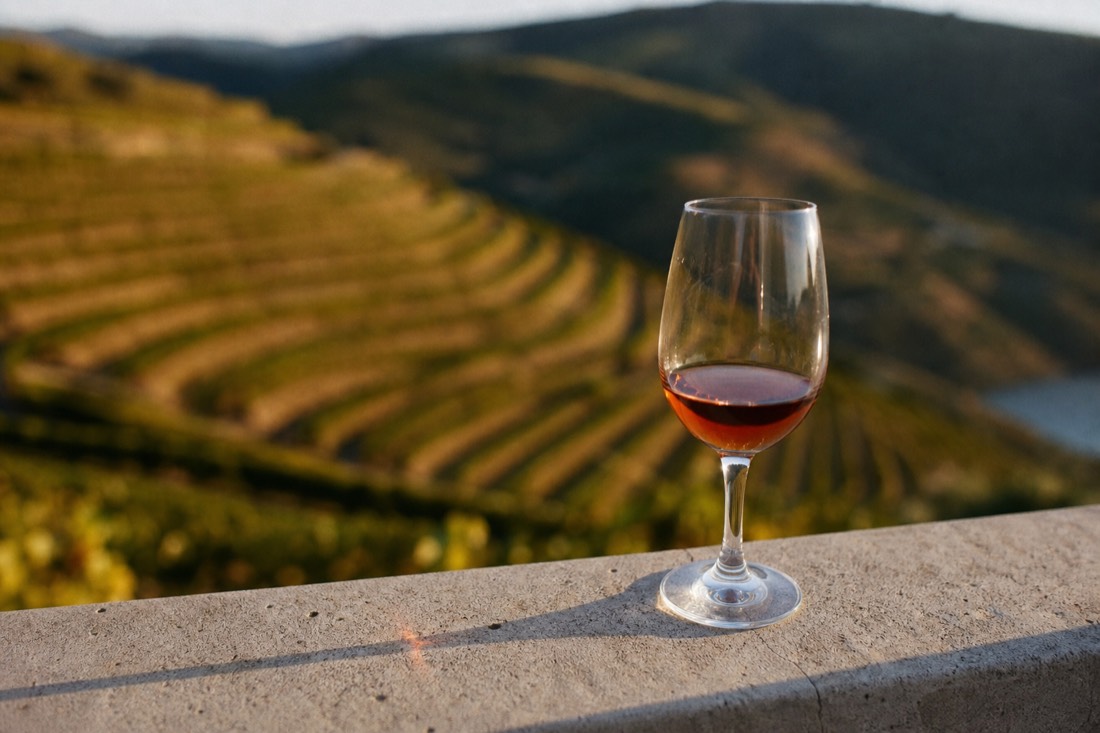
For most first-time visitors, yes. One payment buys transport, two guided tastings, lunch, a river cruise and the N222 views, with nobody in your group behind the wheel after drinking. The flagship tour this site features is rated 4.9 across 5,378 Viator reviews with 98% recommending it, which is not the profile of a tourist trap.
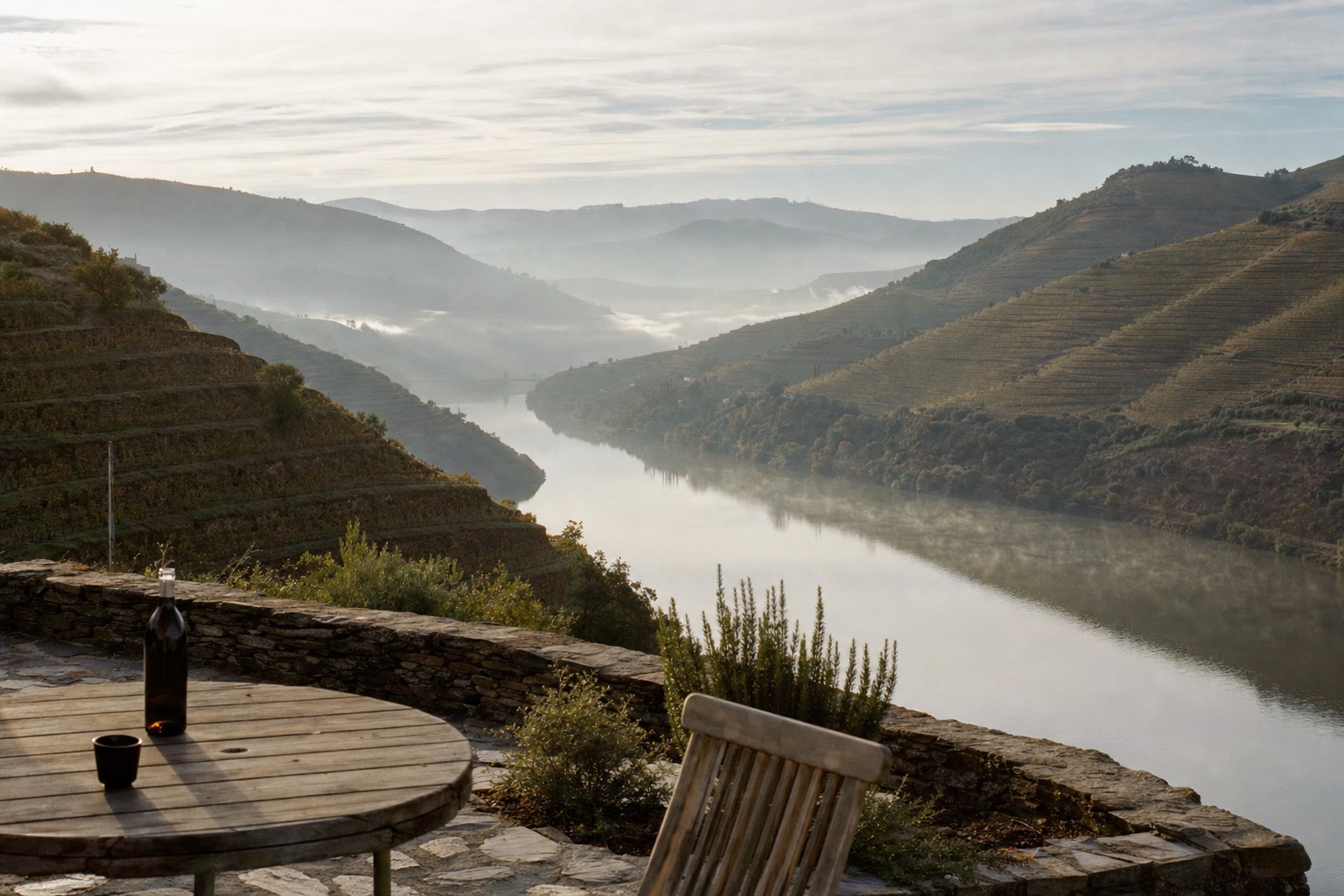
The valley itself carries most of the value. UNESCO listed the Alto Douro as a World Heritage landscape, and the first sight of those terraces from a viewpoint genuinely quiets a van. No tour invented that, and no tour can ruin it.
What a tour adds is logistics you cannot easily buy separately. The quintas that pour the good stuff sit far apart on steep roads, Portugal's drink-driving limit is a strict 0.5 grams per litre, and the train reaches the river towns but not the estates in the hills. A guided day dissolves all three problems at once. Whether that convenience is worth the price for you specifically depends on the honest downsides below, which the brochures skip.
What does a full-day tour actually give you?
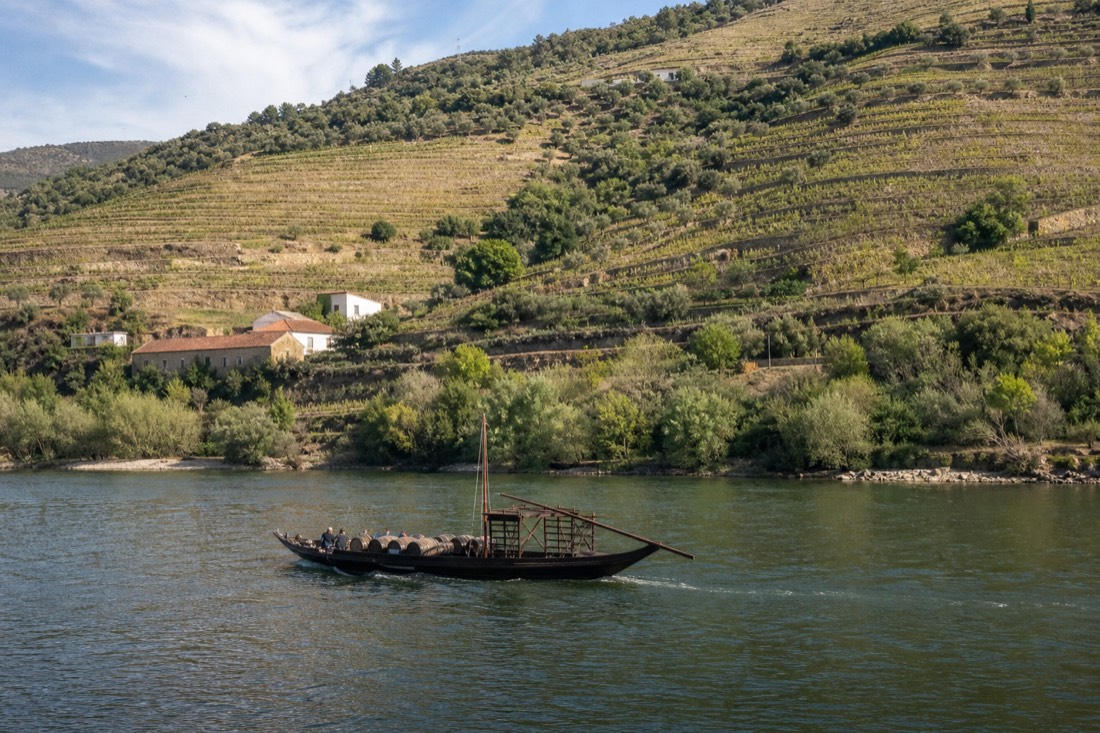
Taking the flagship listing as the benchmark: tastings at two quintas, Quinta do Tedo and Quinta do Beijo, a traditional Portuguese lunch with vegetarian and vegan options, a 50-minute rabelo boat cruise at Pinhão, viewpoint photo stops, the N222 drive, and hotel pickup in central Porto, in a group capped at eight.
Line those up against booking each piece yourself and the day starts to look dense. Two guided tastings, a restaurant lunch, and a Pinhão boat cruise are four separate reservations if you self-plan, plus a car and a designated driver who tastes nothing. The tour compresses them into one booking, and the small-group format means the tastings run as conversations rather than lectures.
The part travellers undervalue in advance and rave about afterward is the cruise. Rabelo boats are the flat-bottomed craft that once hauled Port barrels downriver, and 50 minutes on the water shows you the terraces from the angle they were built to face. The small-group day tour bundles all of it with free cancellation up to 24 hours, and one honest note applies: the operator shows its live price inside Viator's booking flow rather than on the listing page, so check it there against your dates. Prefer a boat with brunch served aboard? The Douro and Amarante river tour, from $107 and rated 4.8 across 1,713 GetYourGuide reviews, trades the second quinta for exactly that.
What are the honest downsides?
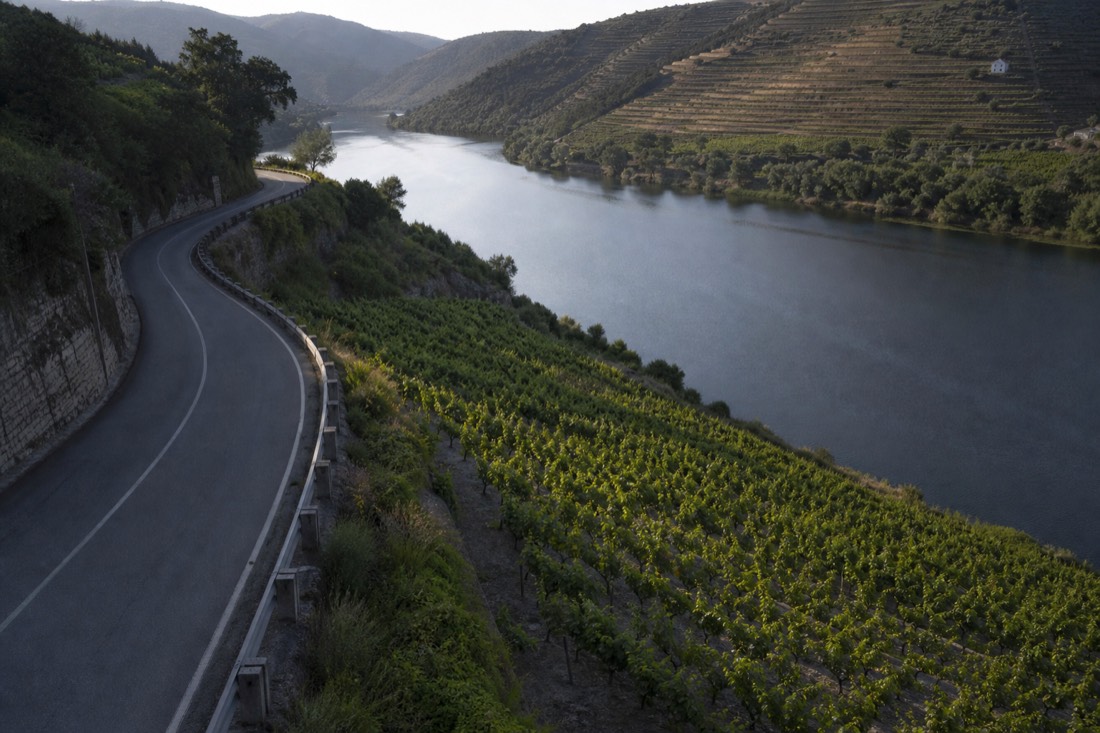
It is a long day built around a long drive. The flagship itinerary plans about 1 hour 45 minutes each way between Porto and the valley, inside a 9-to-10-hour day. You follow a group schedule, the pours are tastings rather than a wine crawl, and prices run well above a train ticket.
I will not soften the drive. Porto sits a mountain range away from the vineyards, so every day tour spends three and a half hours or so in a van, and the last stretch back on the motorway is quiet in the way tired people are quiet. If vans make you queasy, the N222's curves along the river are beautiful and relentless in equal measure.
The structure cuts both ways too. A group day means fixed stops and a shared pace, even in an eight-seat van. You taste what the quintas pour, roughly a handful of wines per stop, not an open bar. The early start is real too: hotel pickups begin around 7:50. None of this is a flaw exactly; it is what a group tour is, and knowing it in advance is what separates the delighted from the disappointed.
Is a tour worth it compared with going on your own?
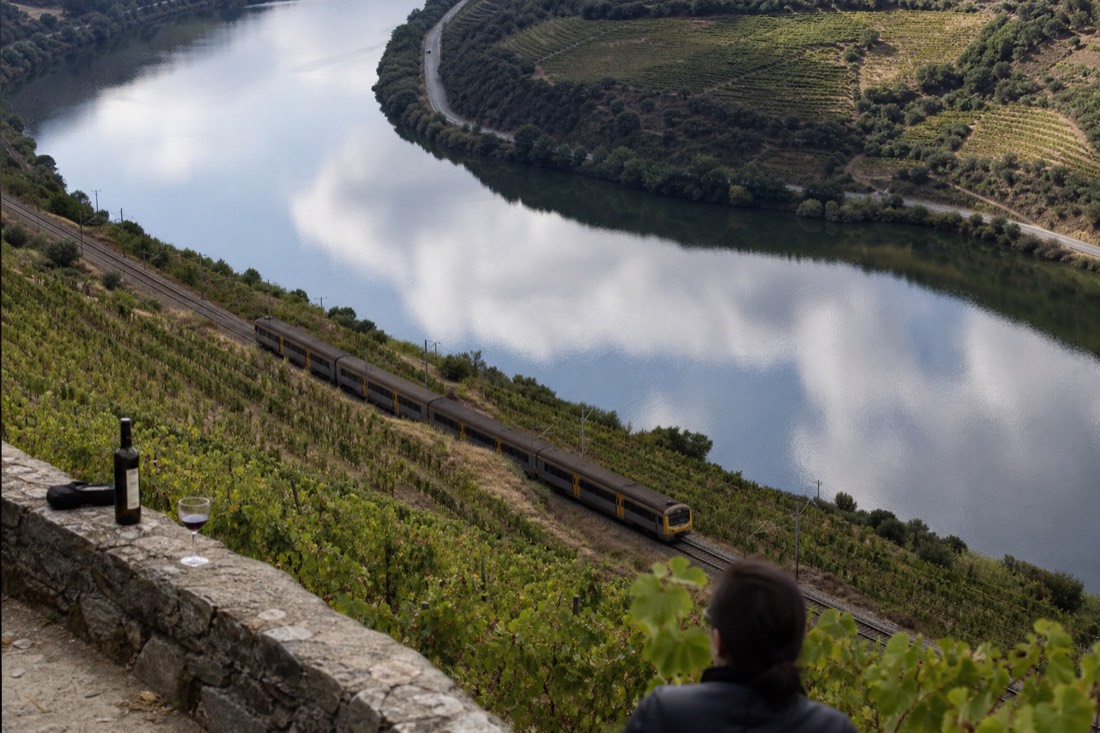
Doing it yourself is cheaper and freer, but it solves less than it seems. The scenic train from Porto reaches Pinhão for €12.20 each way, yet the quintas sit in the hills beyond the stations, and driving yourself collides with the 0.5 g/l alcohol limit. A tour is what removes those two walls.
Run the self-planned version honestly. The Linha do Douro train is a genuine joy, and I recommend it often; the full case is in Porto to the Douro Valley by train. But you arrive at a station, not a vineyard. From Pinhão you are walking to whichever quintas sit close, taxi coverage is thin, and tastings need advance booking. By car you gain reach and lose the wine: at 0.5 grams per litre, roughly a single glass for many adults, a driver who participates in two tastings is gambling with Portuguese law.
| Option | Rough cost per person | What you get | The catch |
|---|---|---|---|
| Full-day group tour | Marketplace full-day listings mostly show $70 to $110; the tours here run from $107 and from $163 | Tastings, lunch or brunch, cruise, transport, guide | Long fixed-schedule day |
| Train + walk | €12.20 each way to Pinhão plus tastings you book | The most scenic ride in Portugal, town-level Douro | No reach into hillside quintas |
| Rental car | Car hire, fuel and A4 tolls plus tastings | Total freedom, every viewpoint | The driver cannot really taste; 0.5 g/l limit |
The full arithmetic, including what every listed price does and does not include, lives in how much does a Douro Valley wine tour cost.
Who should skip a Douro wine tour?
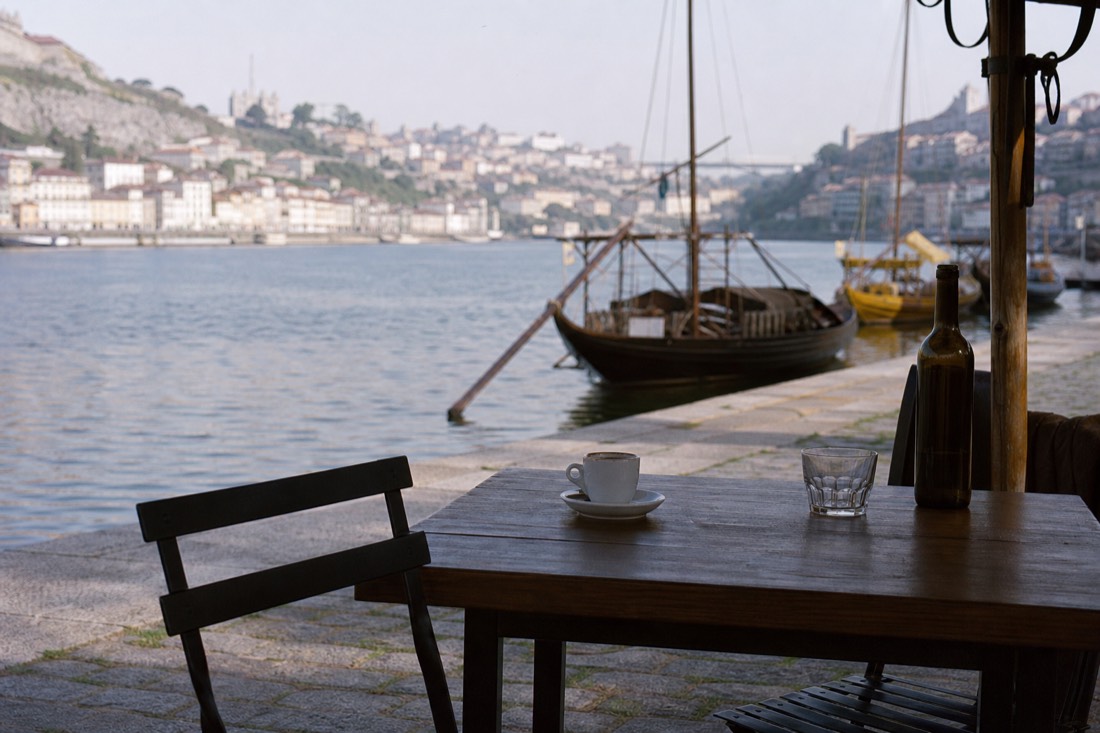
Skip the day tour if you are already staying in the valley, if you do not drink and the scenery alone is your goal, or if a 9-to-10-hour structured day sounds like work. Each of those travellers has a better-fitting option, and pretending otherwise would sell you the wrong day.
Sleeping in the valley changes the math: you have already paid the travel time, so a Porto-based day tour would drag you backward. Valley-based experiences fit better; the off-road sunset picnic tour this site features starts from twelve pickup points inside the region, including Quinta da Pacheca and Régua, from $163. It is a new listing without reviews yet, which I flag plainly rather than dress up.
Non-drinkers should weigh the train instead. The landscape is the show, the €12.20 ticket is the cheapest seat to it, and no tasting room misses you. And if group schedules genuinely grate on you, trust that instinct; the valley rewards slow, self-directed wandering too. Which tour fits the people who do book is sorted by traveler type in which Douro Valley wine tour is best.
Common questions about whether a Douro wine tour is worth it
Is a Douro Valley wine tour worth it for one day?
Yes, if you accept the shape of the day: 9 to 10 hours door to door with roughly 1 hour 45 minutes of driving each way. In exchange you get two tastings, lunch, a river cruise and the N222 views without anyone needing to stay sober for the road.
Is the Douro Valley worth visiting if you do not drink wine?
The landscape justifies the trip on its own; UNESCO lists the Alto Douro as a World Heritage cultural landscape. Non-drinkers often prefer the scenic train to Pinhão at €12.20 each way, since the views are the point and the schedule is yours.
Is it worth doing a wine tour from Porto rather than staying in the valley?
For a first, short visit, yes: Porto has the flights, hotels and evening life, and a day tour handles the valley logistics. Wine-focused travellers with more time get more from a night or two among the vineyards. I weigh both in the Porto to Douro Valley guide.
How far in advance should you book a Douro wine tour?
Small-group tours sell out earliest because eight seats go fast, and harvest season around September and October is the crunch. Since the featured tours all offer free cancellation up to 24 hours before, booking early costs nothing and protects the date.