The Best Port Wine to Bring Home: Buy by Style, Not by Brand
A Douro wine guide on choosing the best port wine to carry home: which style fits which occasion, how to read the label, the EU carry-on liquid rules, and when to let the quinta ship it instead.
 By Niko Stavros, Douro Valley wine tourism specialist
The saddest sight in the Douro is a visitor photographing a wall of bottles, googling "best port wine brand", and buying whatever a stranger's listicle told them to buy, in a shop where they could have simply asked for a taste. I watch it happen every season. So let me say the quiet part plainly: there is no single best port, and anyone handing you a ranked brand list is guessing about your palate. What actually works is buying by style and age, matched to how you will drink it. That method never misses, it survives every shop and airport in Portugal, and it fits in the rest of this article.
Why buy port by style instead of chasing a brand list?
Because style and age band predict what is in the glass far better than the house name does. A 10 year tawny from any serious producer will taste recognizably like a 10 year tawny: caramel, nut, silk. Between houses the differences are real but small; between styles they are enormous.
The big houses and the small quintas all work under the same regulated categories, which is exactly why the categories are trustworthy. Learn six words, ruby, reserve, LBV, tawny with an age number, colheita, vintage, and every shelf in Portugal organizes itself in front of you. The taste logic behind the two big families is in tawny vs ruby port, and the production story is in what is port wine, explained.
There is also a selfish reason to ignore brand lists: the most memorable bottles I bring home are from small estates whose names appear on no list at all, bought an hour after tasting them at the source.
Which port style fits which occasion?
Match the bottle to its future, not to a score. Daily-pleasure drinkers want a 10 year tawny. Chocolate lovers want ruby reserve or LBV. Gift-givers want a 20 year tawny or a colheita from a meaningful year. Cellar romantics want vintage. Summer people want white port for porto tónico.
| The occasion | Buy this style | Why |
|---|---|---|
| Weeknight after-dinner glass | 10 year tawny | Superb quality per euro, keeps for weeks open |
| Chocolate desserts, cheese boards | Ruby reserve or LBV | Dark fruit stands up to intensity |
| A serious gift | 20 year tawny or colheita | Obviously special, drinkable on arrival |
| Marking a birth year or anniversary | Colheita or vintage from that year | The date is on the bottle |
| Long-term cellaring | Vintage port | Built to evolve for decades |
| Summer aperitifs at home | White port | Mix with tonic, ice and a citrus slice |
A note on the anniversary trick, because it is the single best gift idea the Douro offers: colheitas are tawnies from one stated harvest year, so a bottle from a wedding year or a birth year is often findable at estate shops. Couples already celebrating something in the valley tend to understand this instantly; the off-road wine tour with a sunset picnic, a new listing from $163, is the kind of evening that usually ends with exactly this sort of bottle in someone's bag.
What should you look for on the label?
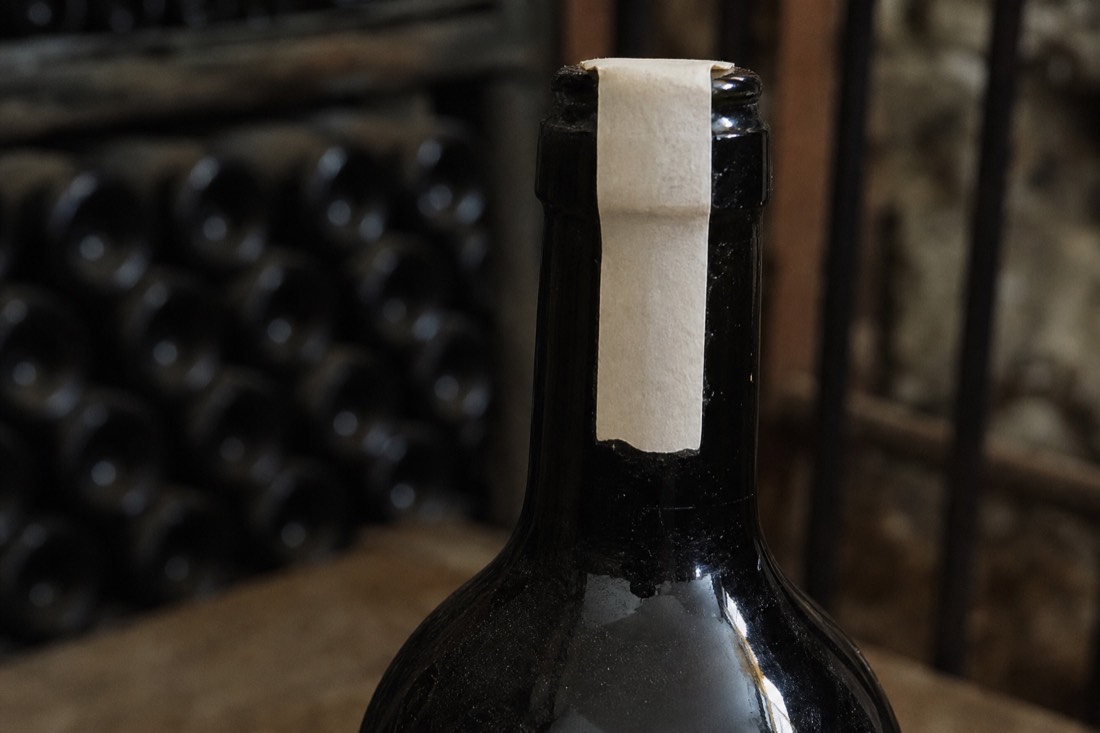
Three things: the style word, the age statement or year, and the small numbered guarantee seal over the capsule from the IVDP, the Douro and Port wine institute that certifies every bottle of genuine port. If those are present, the bottle is real port; the rest is preference.
The age numbers on tawny, 10, 20, 30, 40 years, describe the character profile of the blend in the bottle, achieved by blending casks of different ages, rather than a birth certificate for every drop. Colheita and vintage bottles, by contrast, carry one actual harvest year. LBV means Late Bottled Vintage, a single-year port held several years in wood so it drinks like a young vintage without the decade of patience.
One honest warning from tasting rooms: "Reserve" on a ruby is a modest step up, not a magic word. Taste before you assume.
How do you actually get bottles home?
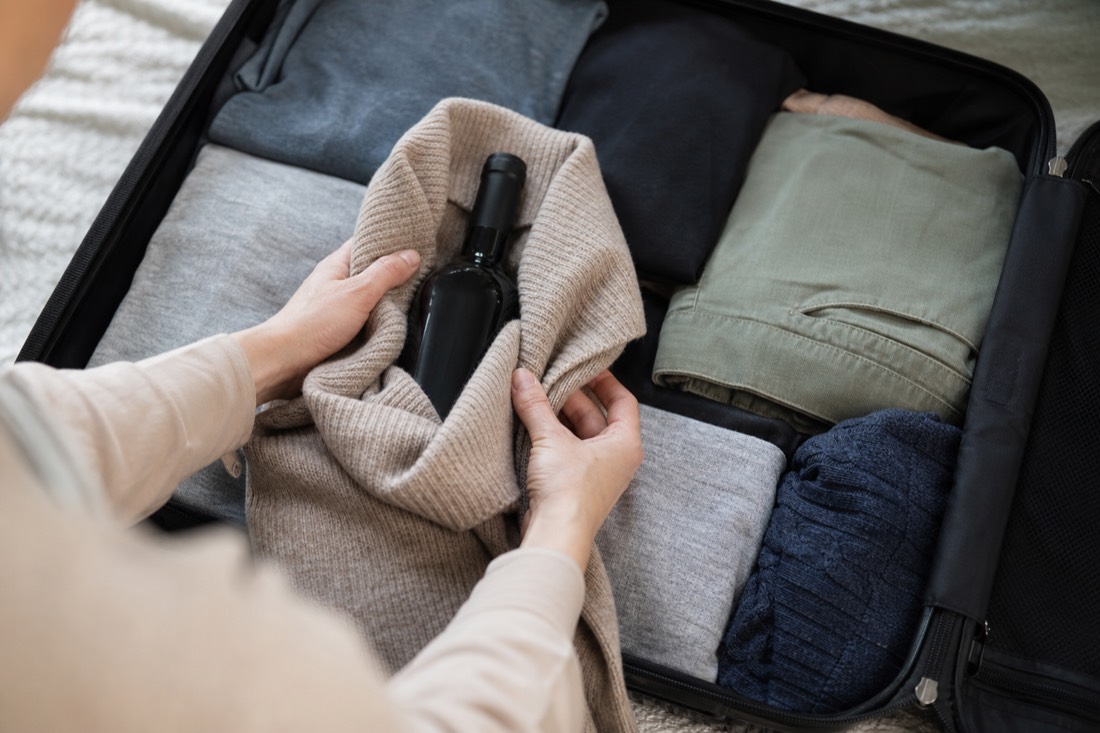
Not in your carry-on. EU security rules cap liquids in hand luggage at containers of 100 ml packed in a one-litre transparent bag, and a port bottle is 750 ml. That leaves three good routes: pack it in checked luggage, buy it airside at duty free in a sealed bag, or let the quinta ship it.
The official rules are on the European Commission's aviation security page, and the useful fine print is the duty-free exemption: bottles bought after security travel in a sealed tamper-evident bag with the receipt inside, which must stay sealed until your final destination. That matters if you connect through another airport rather than flying home direct.
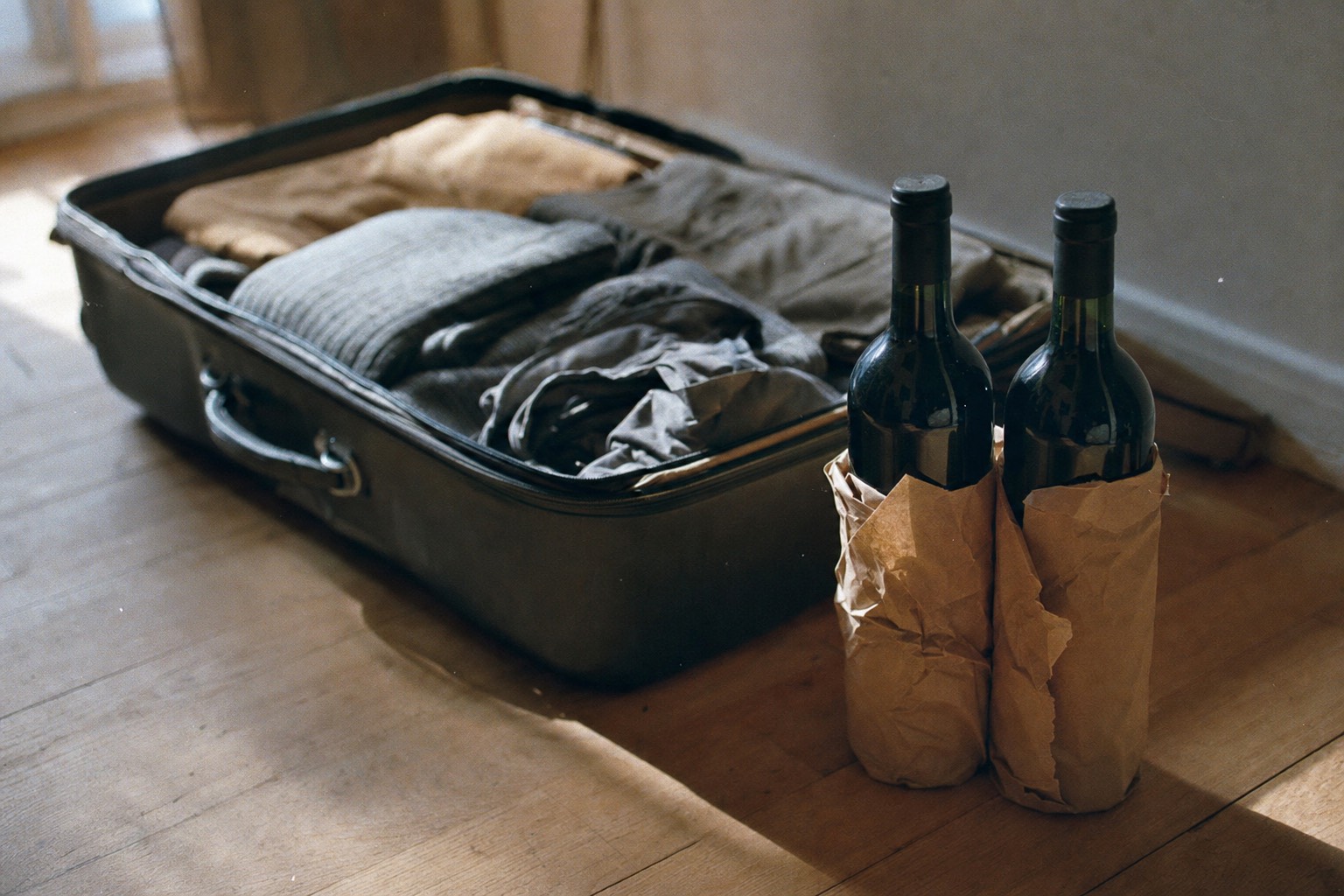
For checked bags, the method that has never failed me: bottle in a sleeve or thick sock, wrapped in the middle of your soft clothes, nothing touching the suitcase shell. Port bottles are heavy glass and survive better than table wine. And ask at every estate shop about shipping; many quintas ship abroad, and for three or more bottles the arithmetic often beats hauling glass across Europe, with zero breakage anxiety. Prices and destination rules vary by estate, so ask at the counter before you commit either way.
Should you buy at a quinta, in Gaia, or at the airport?
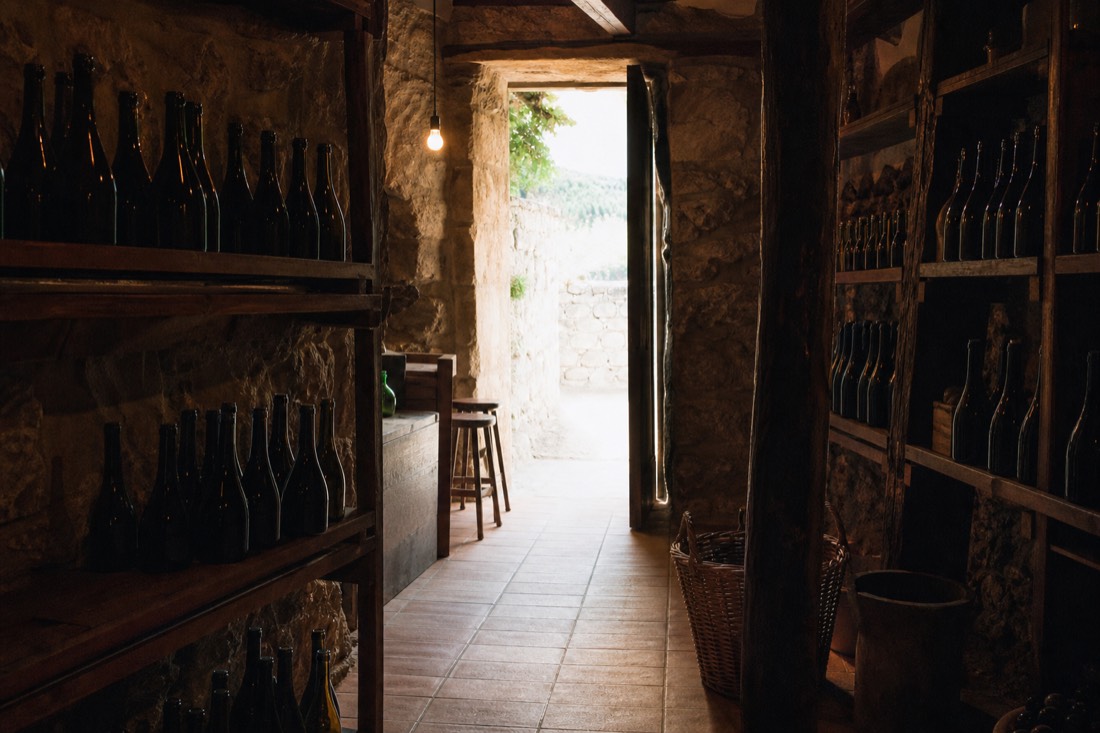
Buy where you tasted. The bottle that goes home should be one your own palate approved an hour earlier, which usually means an estate shop in the valley. Gaia lodges are a fine plan B with wide selection, and the airport is for the bottle you forgot.
Buying at the source has one more advantage nobody mentions: memory. Every time you open that bottle at home, you are back on the terrace where you first tasted it, and that is half of what you paid for. The small-group day tour this site features makes this easy in practice, since its posted itinerary includes tastings at two estates, Quinta do Tedo and Quinta do Beijo, and it holds 4.9 across 5,378 Viator reviews with 98% of travelers recommending it. Taste at both, buy at whichever won you over.
Where exactly those cellars sit in the valley, and what else surrounds them, is mapped in my guide to Pinhão, the town at the heart of it all. Bring home the style your evenings actually need, protect it in the middle of your suitcase, and remember the local secret: the best port wine is the one with a story attached.