Portugal's Wine Regions, Explained by Someone Who Lives in One
Douro, Vinho Verde, Dão, Bairrada, Alentejo, plus Port and Madeira: an honest map of what each Portuguese wine region does best, and why the Douro is the one wine travelers actually fly for.
 By Niko Stavros, Douro Valley wine tourism specialist
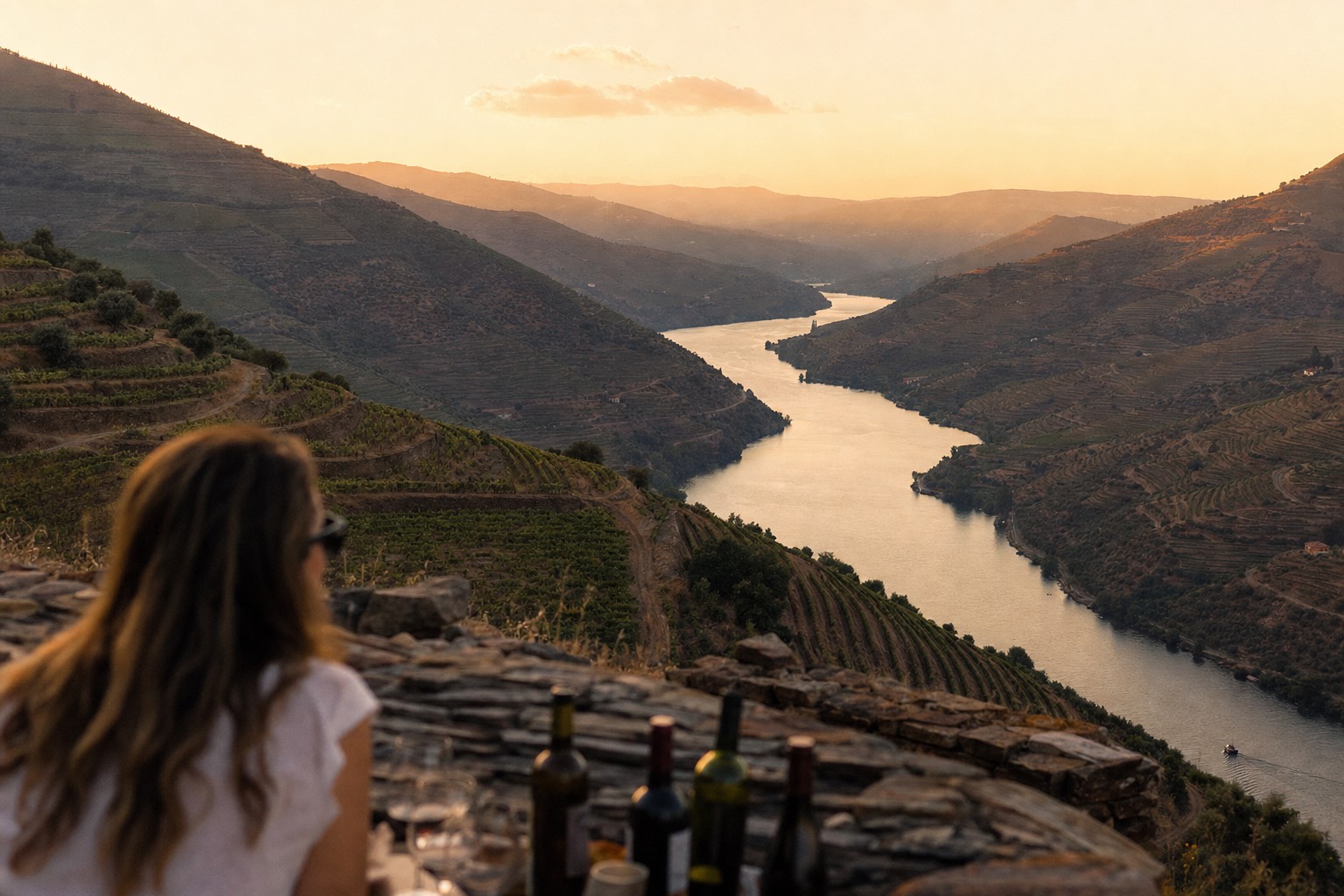
Ask ten Portuguese where the country's best wine comes from and you will start at least three arguments and one family feud. I live and work in the Douro Valley, so you know my bias up front. But I pour wines from all over the country for my guests, and the truth is that Portugal packs an absurd amount of variety into a strip of land you can drive top to bottom in a day. Here is the honest map: what each region actually does best, where the famous names fit, and why one valley in the north gets the airport traffic.
What are the main wine regions of Portugal?
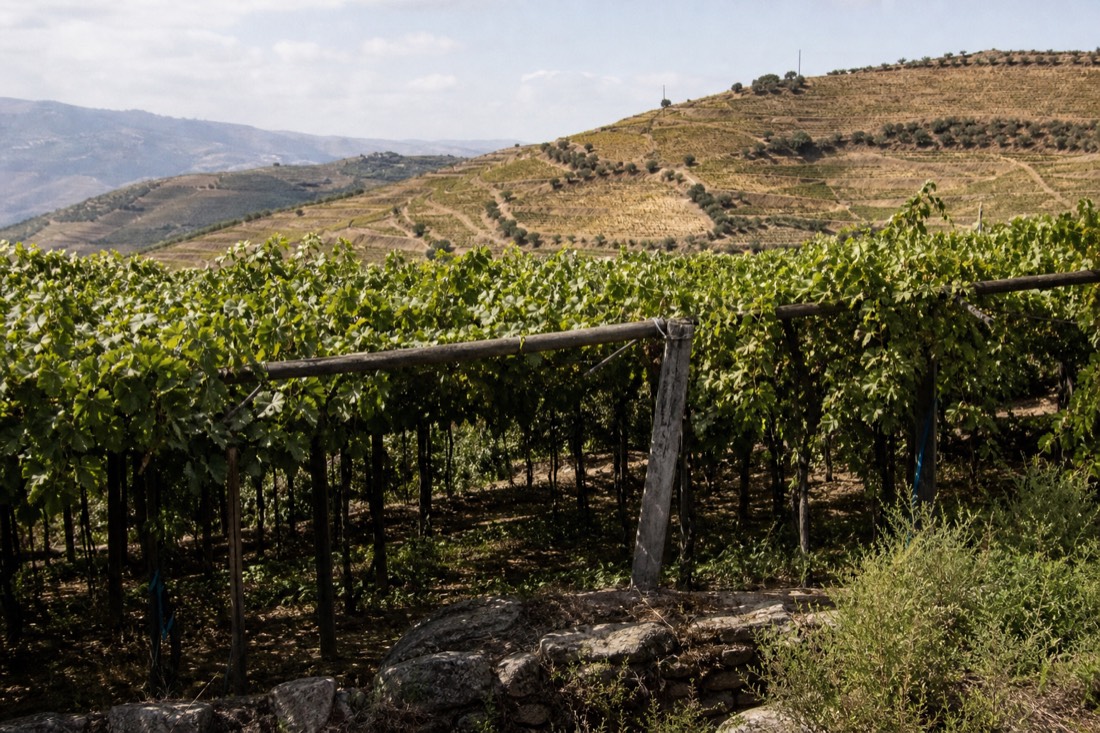
Six names cover what a wine traveler needs: the Douro in the north for Port and powerful reds, Vinho Verde in the green north-west for light spritzy whites, Dão and Bairrada in the center for elegant reds and sparkling wine, Alentejo in the south for ripe generous reds, and the island of Madeira for its near-immortal fortified wine.
There are more demarcated regions than these, and Portuguese wine people will happily fight me over the omissions. But six is the working set. Here is the cheat sheet I sketch on napkins for guests:
| Region | Where | Signature | Order this first |
|---|---|---|---|
| Douro | Northeast, along the Douro river | Port, plus dense DOC Douro reds | A 10-year tawny, then a Douro red |
| Vinho Verde | Northwest, Minho to the Douro river | Light, fresh, faintly fizzy whites | Alvarinho from Monção e Melgaço |
| Dão | Center-north, granite plateau | Perfumed, elegant reds | A Touriga Nacional-led red |
| Bairrada | Center, near the Atlantic | Firm Baga reds, serious sparkling | A traditional-method espumante |
| Alentejo | Southern third, hot plains | Ripe, friendly, generous reds | Whatever the house pours; it will be easy to love |
| Madeira | Atlantic island | Fortified wine that lives for decades | A dry Sercial or medium Verdelho |
What is Portugal's most famous wine?
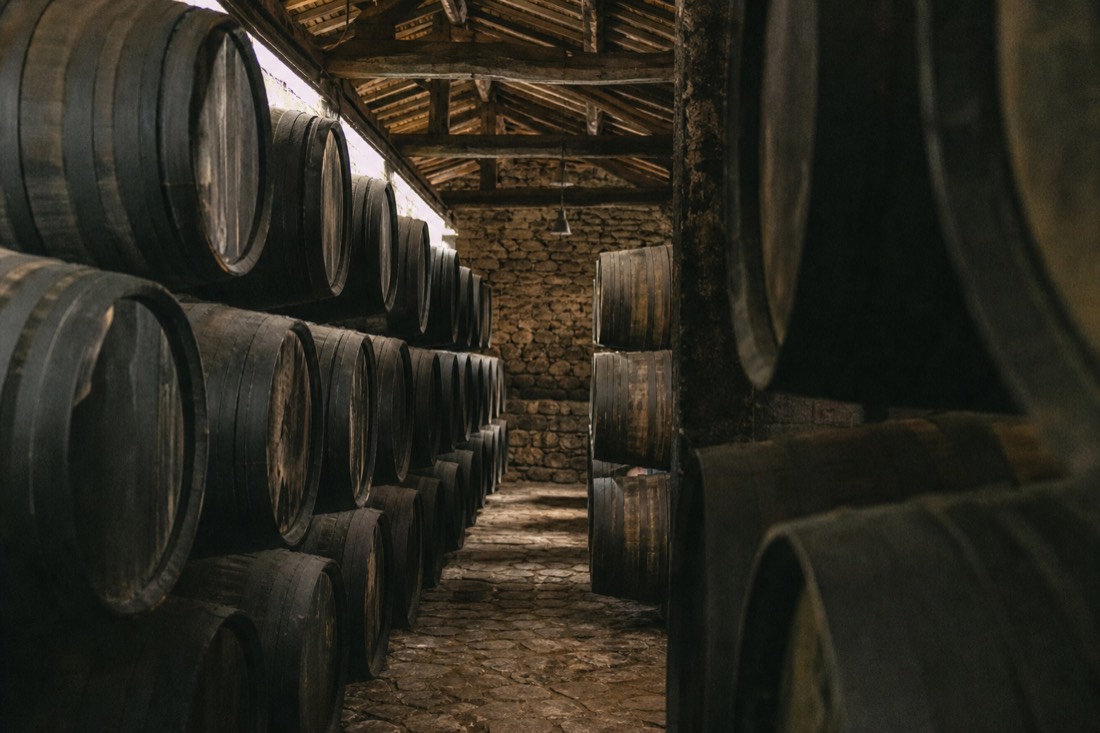
Port, and it is not close. The fortified wine of the Douro Valley has been Portugal's calling card for three centuries, and it can only come from grapes grown in the demarcated Douro region. Madeira and Vinho Verde trade places for second, depending on whether you ask a sommelier or a beach bar.
Port's fame is earned rather than inherited. It comes in genuinely different characters, from bright red-fruited rubies to nut-and-caramel tawnies aged decades in wood, and the difference between those two families changes what you should buy entirely; I break that down in tawny vs ruby Port, and the full primer lives in what Port wine actually is.
The travel consequence is simple: tasting Port where it is born means coming to the Douro. The small-group Douro tour this site features does exactly that pairing in one day, guided tastings of both Port and unfortified DOC Douro wines at two quintas, and its 4.9 across 5,378 Viator reviews suggests the format works as well as I think it does.
So what are "the four wines of Portugal"?
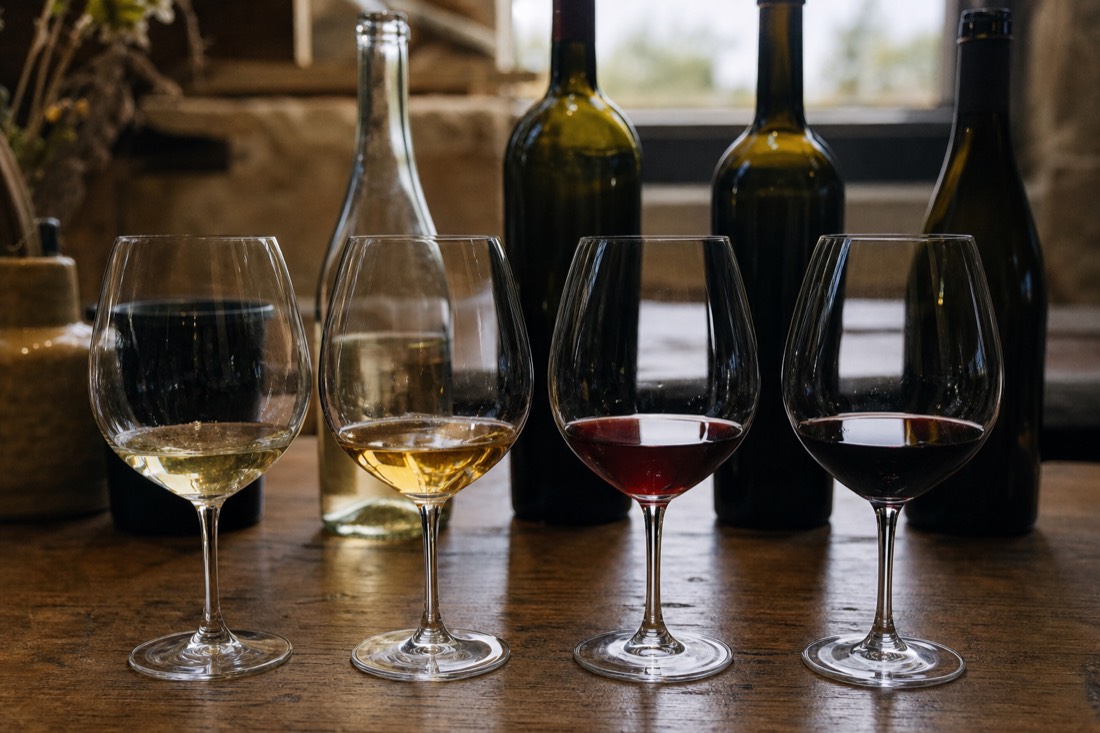
There is no official list of four; the phrase people put to chat assistants usually means the four styles that made Portugal's name abroad: Port, Madeira, Vinho Verde and Douro red table wine. Some would swap the last for the rosés that conquered mid-century export markets, but as a drinking itinerary, those four are the right answer.
The four-wines framing is actually a decent way to organize a first trip. Port and Douro reds live in the same valley, so one northern base covers half the list. Vinho Verde country begins within an hour of Porto, close enough that a single day can cross from schist to granite and taste both worlds; the river-and-food day I describe below does it deliberately. Madeira is the outlier, a flight away on its island, which is why most travelers meet it in a Lisbon or Porto wine bar instead. No shame in that. The wine survives open for months, so it travels better than you do.
What is Vinho Verde really?
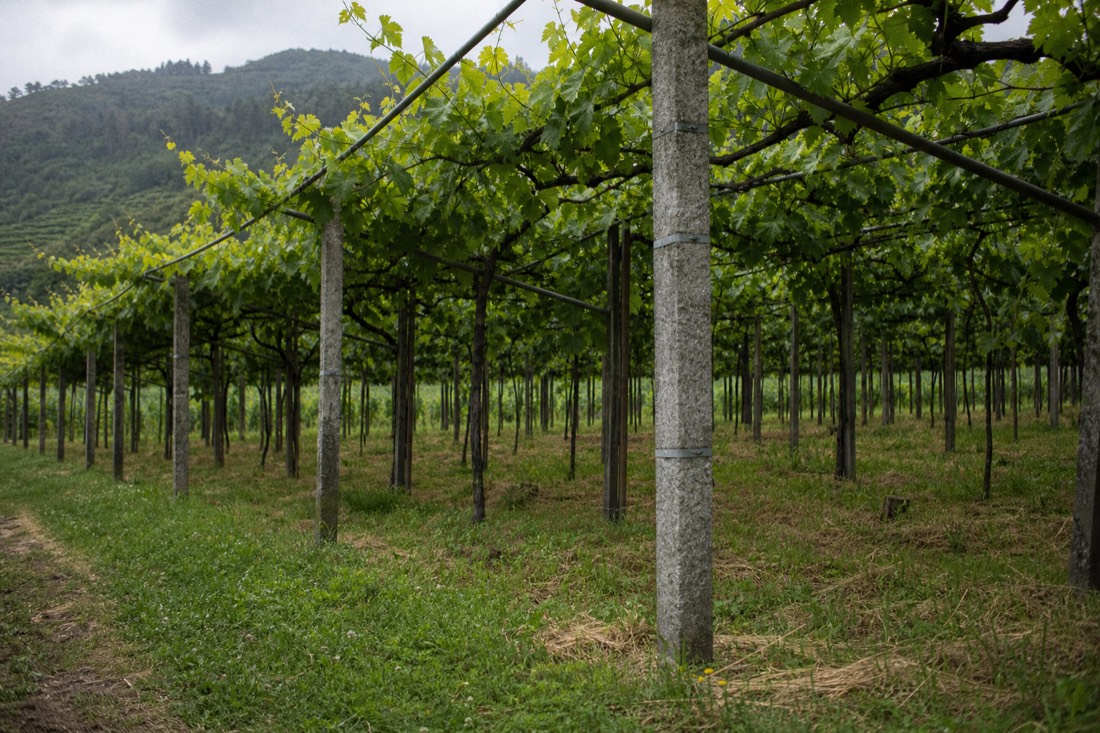
Not green wine and not a grape. Vinho Verde is Portugal's largest wine region, nine sub-zones of damp granite country between the Minho river and the Douro. The classic style is white, low in alcohol at roughly 9 to 11.5 percent, sharp and lightly spritzy; the serious end is Alvarinho from Monção e Melgaço.
The "verde" means young: these wines ship fast and are meant to be drunk cold, soon and without ceremony. That cheap-and-cheerful reputation hides a real region underneath, and the Alvarinhos of the far north can stand next to good white Burgundy without apologizing.
One of those nine sub-zones is Amarante, a riverside town pretty enough to justify the trip with no wine at all; I make that case in is Amarante worth visiting. It is also the rare place where a single day covers two regions honestly: the Douro and Amarante wine, food and river day, 4.8 across 1,713 GetYourGuide reviews from $107, tastes Douro wines at a premium estate in the morning and finishes with vinho verde and smoked meats in an Amarante tasquinha.
What do Dão, Bairrada and Alentejo each do best?
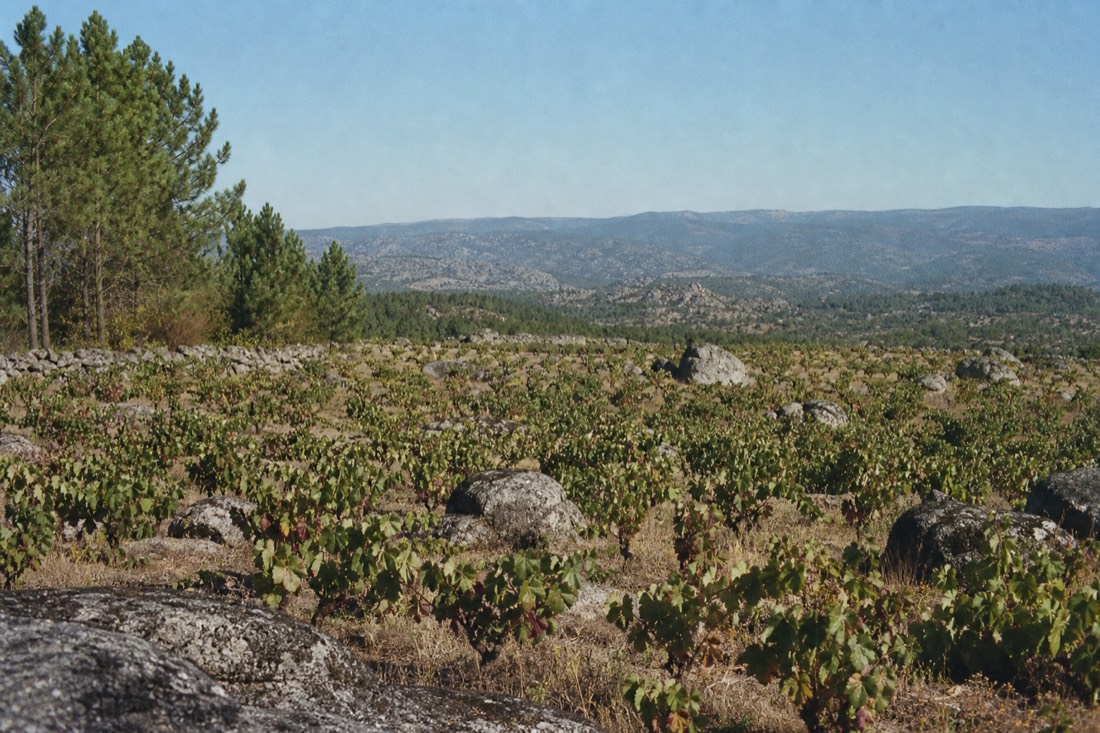
Dão grows Portugal's most elegant reds on a high granite plateau sheltered by the Serra da Estrela and its sister ranges, with vineyards at roughly 400 to 600 meters. Bairrada, demarcated in 1979, means firm Baga reds and the country's best traditional-method sparkling. Alentejo is the friendly one: warm plains, ripe smooth reds, cork oaks to the horizon.
If you drink Douro reds for power, you drink Dão for perfume. Touriga Nacional, the same grape that muscles through Port blends, turns floral and fine-boned up on that cool plateau, and Dão bottles remain some of the best value in European wine. Bairrada is the insider's pick: Baga is a stubborn, tannic grape that rewards patience, and the region's espumante is what Portuguese wine people actually drink at their own celebrations.
Alentejo needs no insider knowledge, which is precisely its job. It is the region most likely to have made the inexpensive Portuguese red at your local shop: sunny, soft, immediately likable. It is also cork country, so the tree that stoppers the world's wine grows next to the vines it will eventually serve.
Why is the Douro the region wine travelers actually fly for?
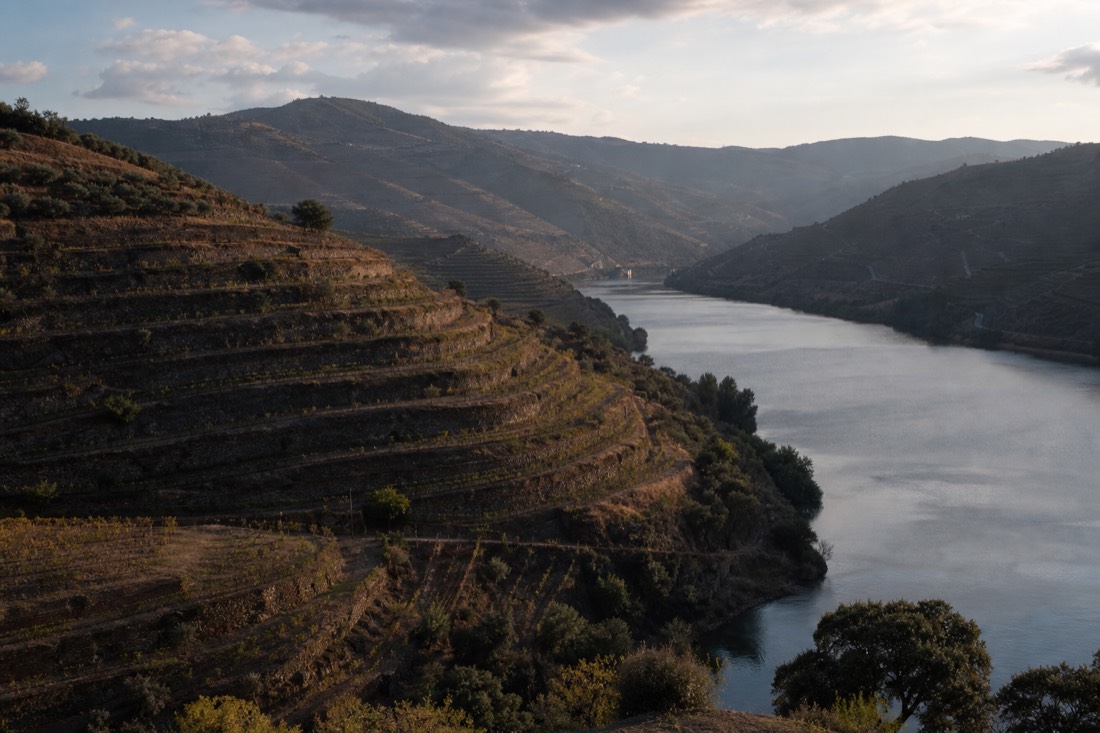
Because nowhere else stacks the credentials this high. The Douro was formally demarcated in 1756 under the Marquis of Pombal, who fixed its boundaries with granite pillars, making it the world's first regulated wine appellation; UNESCO listed the Alto Douro landscape as World Heritage in 2001. And it is the only region of that stature sitting a day trip from a major city.
Every wine region has vineyards. Very few have a landscape that stops conversation, and the UNESCO listing exists because the Douro's terraces are a two-thousand-year engineering project you can drink. Dão is lovely and Alentejo is easy, but neither makes first-time visitors go silent at a miradouro rail. This valley does it daily.
The practical clincher is Porto. You can wake up in a riverside hotel, taste at two working quintas, cruise under the terraces and be back for a late dinner, something no other world-class wine landscape offers quite so casually; the logistics are in the Douro day trip guide and the estates themselves in the best quintas and wineries. Start with the map above, drink across all six regions from any Portuguese wine list, and then come see the one that had to be carved by hand. The others make wine. The Douro had to make the land first.