Is Amarante, Portugal Worth Visiting? An Honest Look at the Sweetest Town Near Porto
A Douro-based wine guide on Amarante: the São Gonçalo bridge and monastery, the famous fertility sweets, the vinho verde edge of wine country, and the smartest way to fold it into a Douro Valley day.
 By Niko Stavros, Douro Valley wine tourism specialist
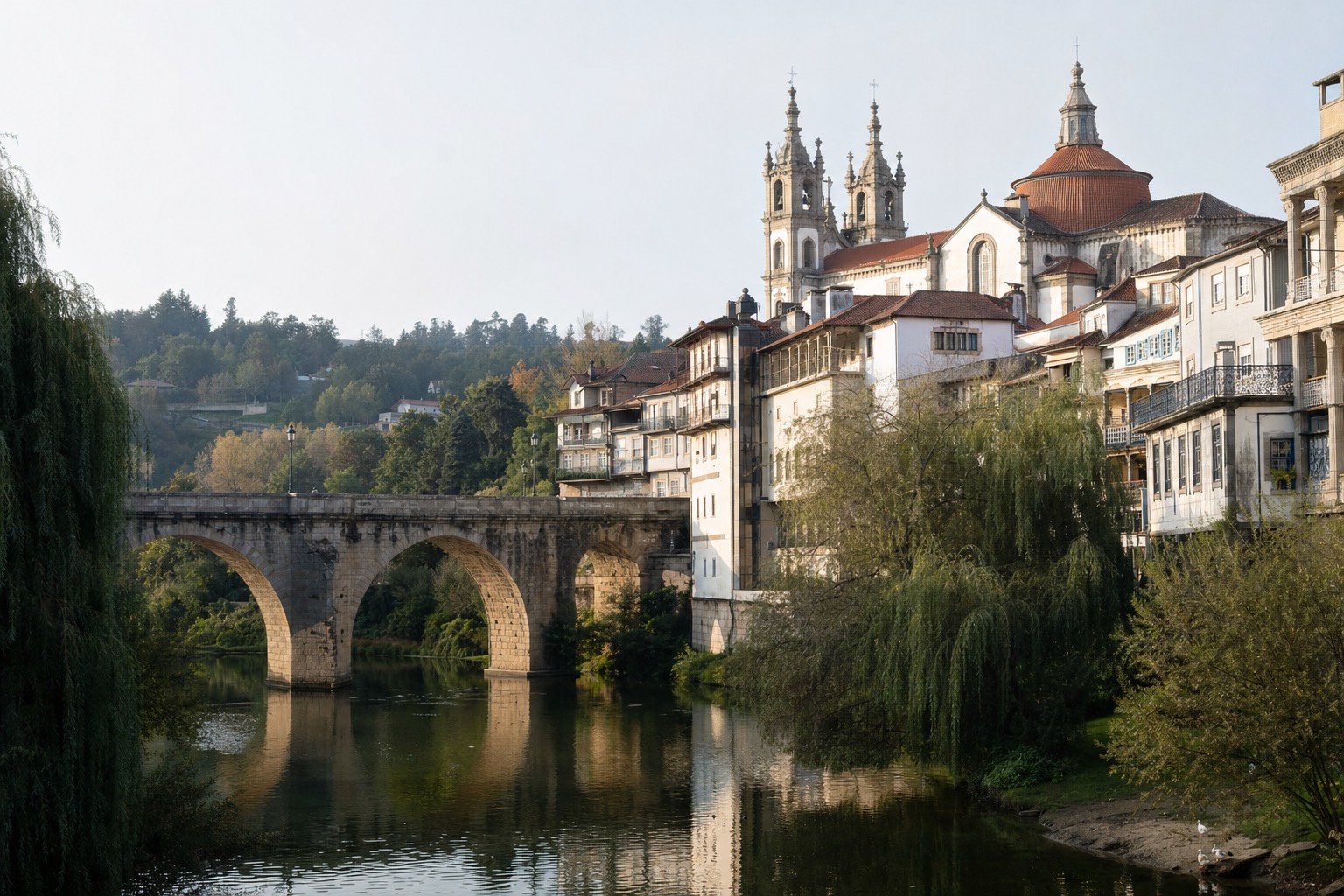
There is a pastry counter beside the old bridge in Amarante where the signature sweet is shaped, with total confidence, like a phallus. First-time visitors laugh, buy one, then buy a box. That mix is the whole town: granite dignity on the surface, a wink underneath. I guide wine travelers in the Douro Valley, roughly an hour's drive east of here, and when guests ask me for one town near Porto that feels lived-in rather than curated, Amarante is almost always my answer. Here is what it actually offers, and how to see it without burning a full day.
Is Amarante worth visiting?
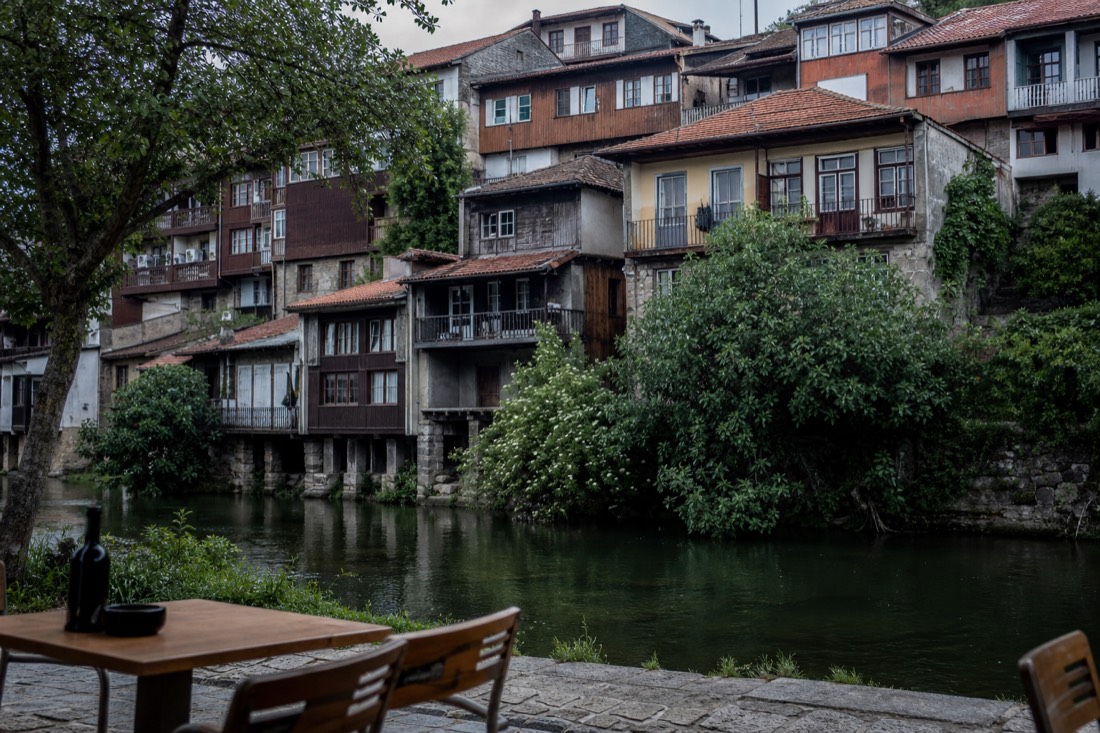
Yes. Within a five-minute walk you get a granite bridge rebuilt in 1790, a 16th-century monastery, a riverside old town with wooden balconies, and a pastry tradition that exists nowhere else in Portugal. Two unhurried hours covers it, which is exactly why it folds so well into a Douro Valley day.
What separates Amarante from the polished day-trip circuit is that the town still belongs to itself. The Tâmega river moves slowly here, dark green under willows, and the houses above it hold real hardware shops and cafes where the older men argue about football at ten in the morning. Nothing is staged for you. On my last visit I watched a delivery van reverse across the 1790 bridge while two nuns waited with shopping bags, and honestly, that scene told you more about the town than any monument plaque.
The scale matters too. Porto is a city, Guimarães is a history lesson, and the Douro is a landscape. Amarante is a town in the old sense: one bridge, one great church, one famous sweet, one river doing all the work. You leave feeling you saw it whole, which is a rarer travel feeling than it sounds.
What should you see in the old town?
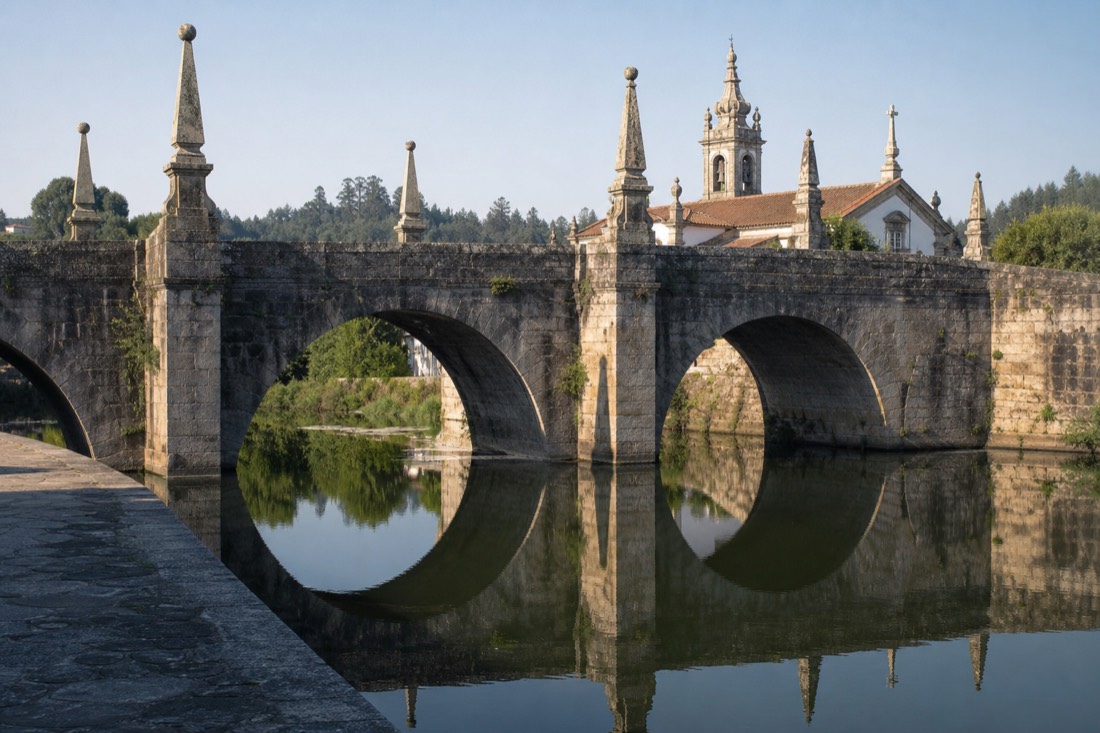
Start on the Ponte de São Gonçalo, the three-arched granite bridge rebuilt in 1790 after floods destroyed the medieval crossing. It delivers you to the door of the Igreja e Mosteiro de São Gonçalo, the 16th-century monastery that anchors the town, and inside the monastery cloister sits the Amadeo de Souza-Cardoso museum. That trio is the core.
The bridge is the postcard, golden stone with baroque pinnacles, and the best view of it is from the riverside terraces just downstream, where cafes put tables close to the water. The church interior goes heavy on gilt and carved columns, worth fifteen quiet minutes even if you are churched-out from Porto.
The museum is the surprise. Amadeo de Souza-Cardoso was born in a parish of Amarante in 1887, moved to Paris at nineteen, ran with Modigliani and the Delaunays, and died at thirty in 1918. He is the closest thing Portugal has to a lost modernist genius, and his hometown keeps a collection of his work inside the monastery cloister.
| Stop | What it is | Time it deserves |
|---|---|---|
| Ponte de São Gonçalo | The 1790 granite bridge, the town's defining image | 15 minutes, plus the view back from the river terraces |
| Igreja e Mosteiro de São Gonçalo | 16th-century monastery church, gilt interior | 15 to 20 minutes |
| Museu Amadeo de Souza-Cardoso | Modernist collection in the monastery cloister | 30 to 45 minutes if you like art, skippable if not |
| Old town lanes and riverside | Balconied streets, cafes over the water | However long your coffee lasts |
| A pastry counter | The doce de São Gonçalo ritual, explained below | 10 minutes and zero regrets |
What is the story with the São Gonçalo sweets?
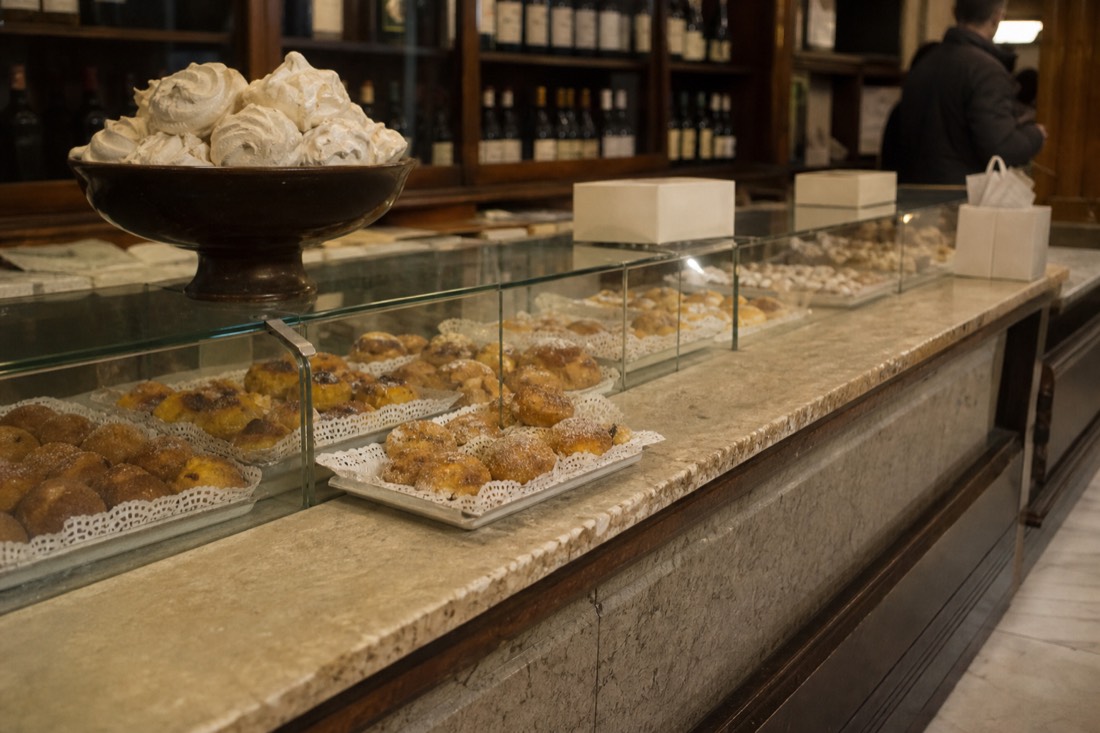
Doce de São Gonçalo are phallus-shaped pastries tied to São Gonçalo, Amarante's medieval matchmaker saint. Tradition had them given to single women as a fertility and marriage charm, and the town's bakeries still sell them with a completely straight face. Try one with an espresso. They taste far better than the joke suggests.
São Gonçalo is credited locally with match-making powers, which is how a saint's feast ended up with the least subtle pastry in Iberia. But Amarante's sweet tooth runs deeper than one gag: this is convent-pastry country, and the counters also carry papos de anjo and brisas do Tâmega, egg-rich recipes born in monastery kitchens centuries ago.
If you visit with a guide, the tasting usually comes built in. The listing for the Douro and Amarante river-and-food day includes a doce de São Gonçalo tasting on its guided old-town walk, followed by smoked meats and vinho verde in a traditional tasquinha in the historic district, which is a better introduction to the town's palate than any menu I could write you.
Where does the vinho verde come in?
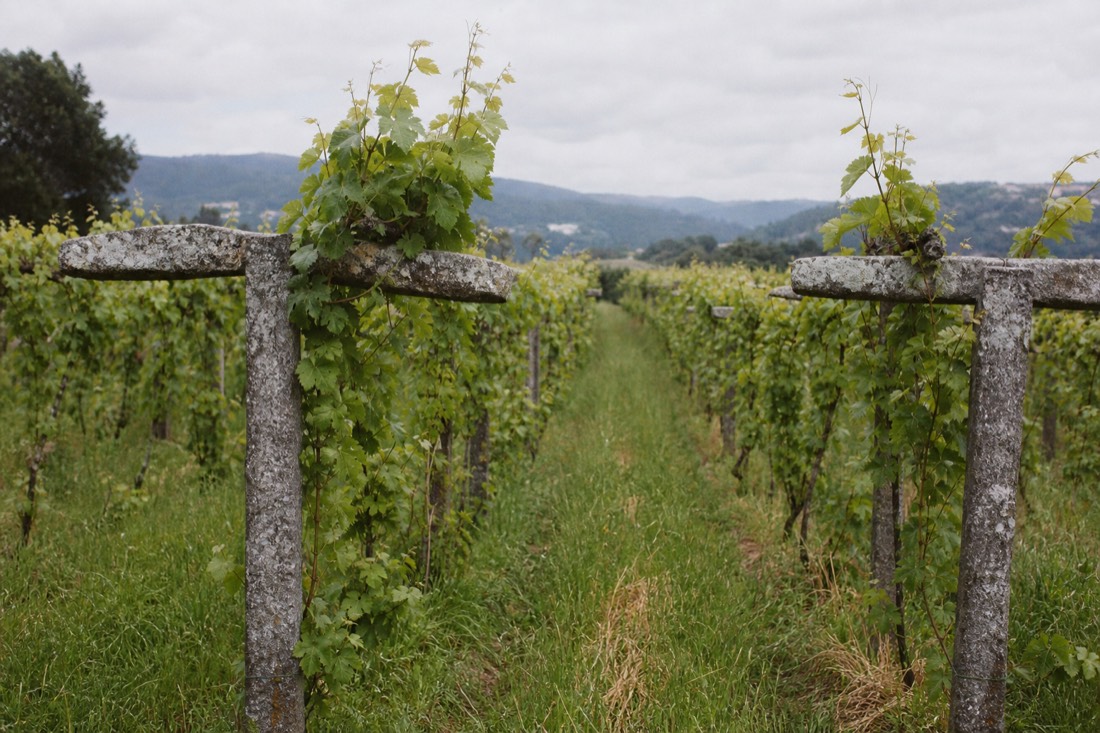
Amarante is wine country, but not Port country. It sits inside the Vinho Verde region, and Amarante is one of that region's own named sub-zones. Expect crisp, faintly spritzy whites and sharp, deep-purple Vinhão reds, poured young and cold. Crossing from the Douro to Amarante in one day means tasting two different wine worlds.
The switch is what makes the pairing fun. You spend the morning in the Douro with dense, sun-baked wines built on schist terraces, then finish the afternoon forty kilometers north-west drinking something light enough to hold eleven percent alcohol and a prickle of gas. The local red Vinhão stains the glass purple and bites back; locals drink it with fumeiro, the region's smoked meats, and once you have tried that combination in a tiled tasquinha you understand why neither has changed in a century. I put the full national picture, Douro included, in Portugal's wine regions explained.
How do you combine Amarante with the Douro Valley?
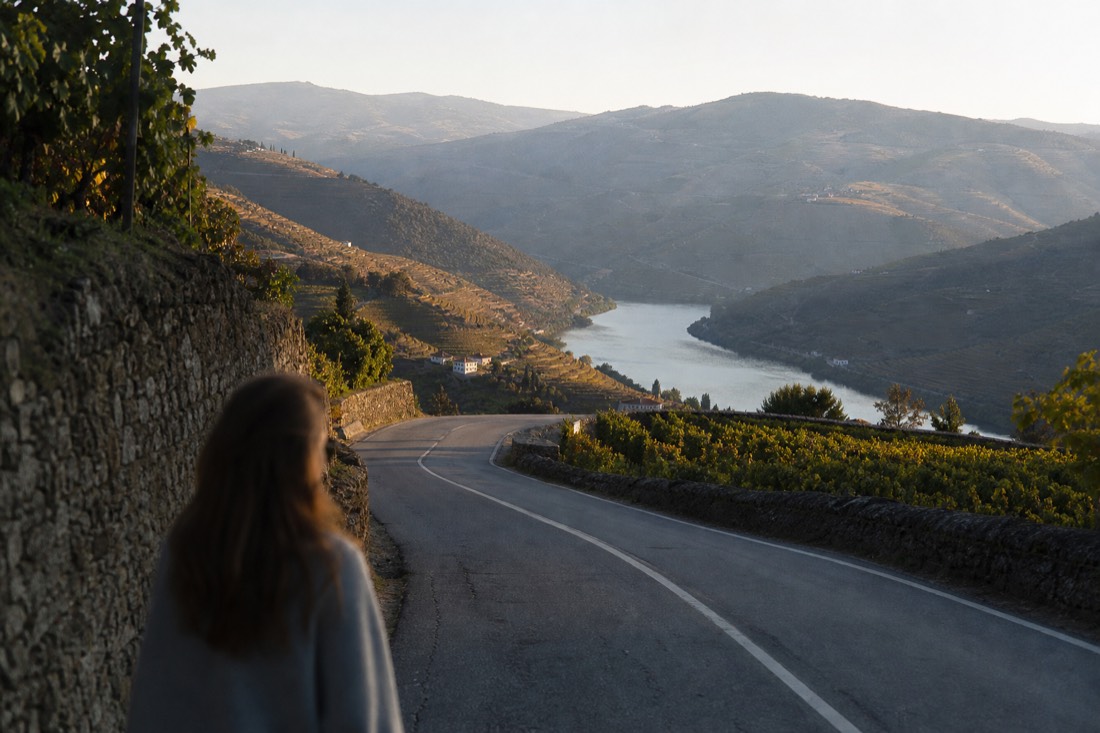
Two clean patterns. Self-drivers stop in Amarante on the A4 corridor between Porto and the valley, ideally late afternoon when coaches are gone. Non-drivers take the one day tour built around the pairing, which puts the Douro cruise and estate tasting in the morning and saves Amarante's old-town walk and tastings for the end of the day.
That second pattern is exactly the shape of the Douro and Amarante wine, food and river tour this site features: a boat cruise limited to the operator's own clients with a tapas brunch served aboard, a premium estate tasting, photo stops along the N222, then the guided Amarante walk. It holds 4.8 across 1,713 GetYourGuide reviews with a Top rated badge, from $107, and cancels free up to 24 hours out.
If your priority is maximum wine rather than town time, the small-group Douro day tour with two wineries and a rabelo cruise skips Amarante entirely and spends that time at a second quinta; it carries 4.9 across 5,378 Viator reviews with a maximum of eight guests. The broader logistics of both approaches are in the Douro Valley day trip from Porto guide.
Is Amarante really the most beautiful town near Porto?
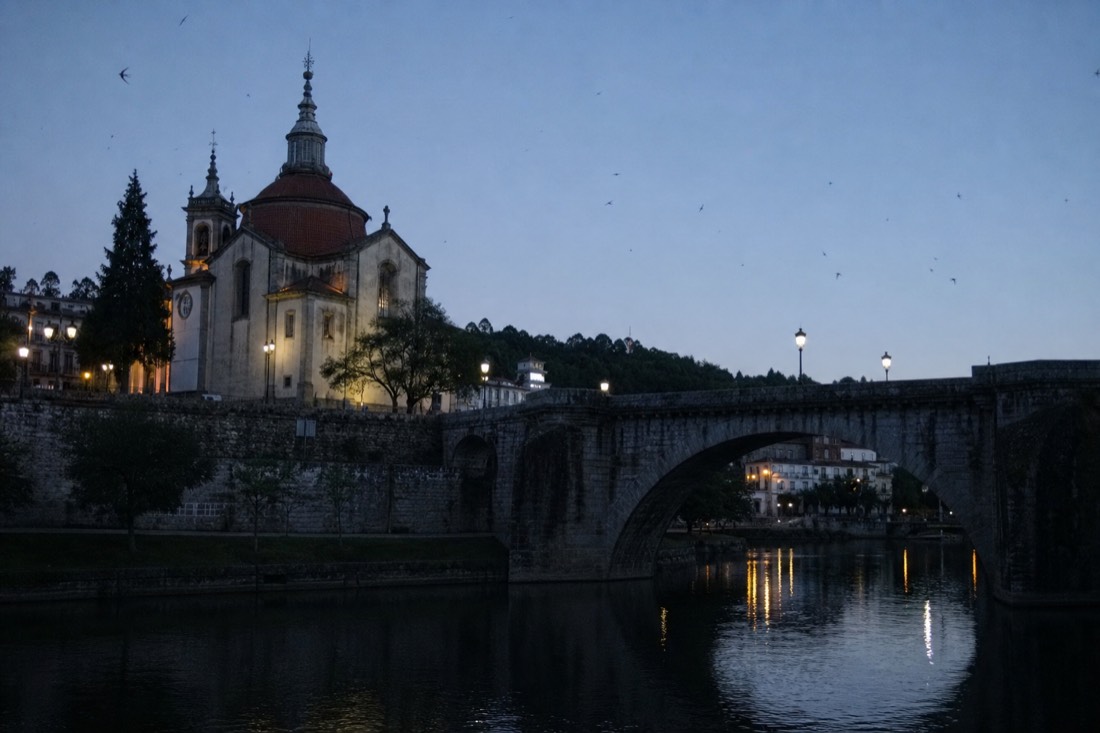
Within an hour of Porto, I think it is the most beautiful complete town: bridge, monastery, river and food story in a single frame. Guimarães beats it on historic weight and Pinhão beats it on raw landscape, but Pinhão is scenery with a village attached. Amarante is a town you could imagine living in.
People increasingly put this question to chat assistants as "the most beautiful village near Porto," and the honest answer is that Amarante is not a village at all. It is a small town with a working center, which is precisely its charm. Villages perform; towns just carry on, and you get to watch.
My advice is to judge it at the right hour. Midday flattens the granite. Come at nine in the morning when the bridge doubles itself in still water, or at seven in the evening when the swallows work the river, and the argument settles itself. And if your trip has room for only one riverside town beyond Amarante, weigh the two Douro hubs against each other first in Peso da Régua or Pinhão, then go deeper on the postcard option in the Pinhão guide.